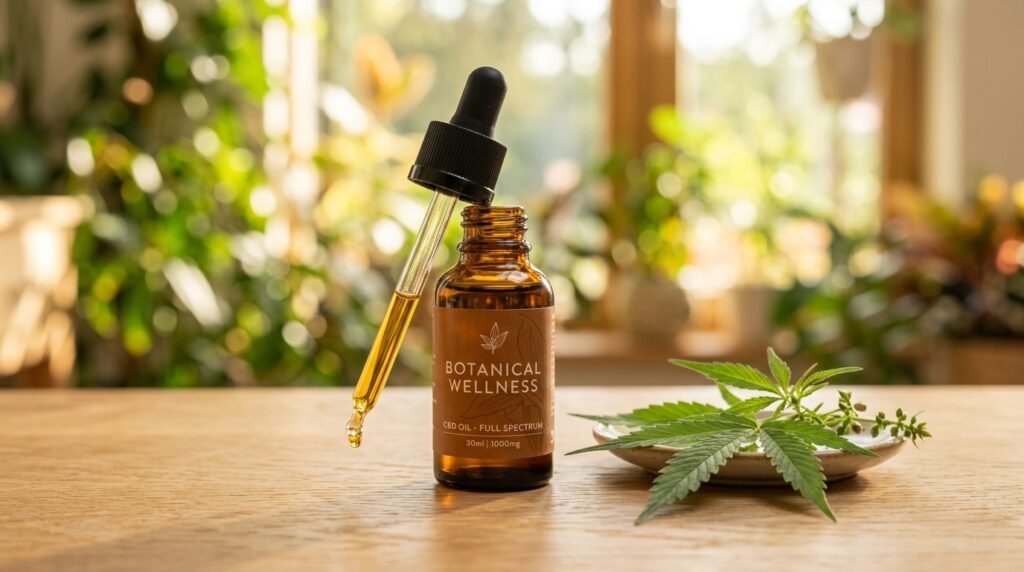
The global wellness market has seen an explosive proliferation of hemp and CBD products over the last few years. While widespread availability has made natural plant-powered remedies accessible to millions, it has also created a hazardous playground for deceptive marketing, counterfeit labels, and sub-potent formulas. Multiple independent laboratory audits continue to reveal that nearly one-third of commercial CBD products sold online fail to contain the advertised cannabinoid potency or, worse, test positive for heavy metals, pesticides, and residual extraction solvents.
In 2026, being an educated consumer is your ultimate defense against wasting your money on ineffective or contaminated products. Knowing how to decipher a Certificate of Analysis (COA), identify clean CO2 extraction protocols, and evaluate hemp farming practices will empower you to separate genuine therapeutic tinctures from low-grade pretenders. In this comprehensive buying guide, we establish the definitive quality checklist for evaluating cannabinoid supplements, analyze three verified top-tier products on Amazon.com (USA), and share indispensable advice to help you shop with complete confidence.
The 5 Golden Pillars of a High-Quality CBD Product
Before spending your hard-earned money on any hemp or cannabinoid supplement, verify that the product fulfills these five non-negotiable standards of modern botanical excellence:
1. Transparent, Batch-Specific Third-Party Lab Testing (COA)
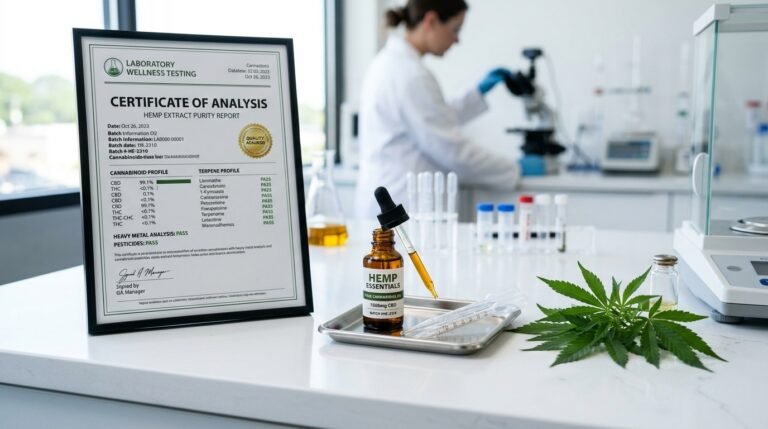
A Certificate of Analysis (COA) is an objective laboratory document issued by an independent, ISO-17025 accredited testing facility. Never purchase a product from a brand that cannot produce an up-to-date COA. A legitimate COA provides three crucial panels:
- Cannabinoid Profile: Verifies that the bottle contains the advertised milligrams of CBD and reveals the presence of secondary cannabinoids (CBG, CBN, CBC).
- THC Potency: Confirms that Delta-9 THC levels are legally compliant (below 0.3% by dry weight).
- Contaminant Screening: Guarantees that the batch passed rigorous testing for heavy metals (lead, arsenic, cadmium), residual chemical solvents (butane, propane, acetone), microbials (E. coli, salmonella, mold), and agricultural pesticides.
2. Supercritical CO2 Extraction (The Clean Standard)
The method used to extract cannabinoids from the raw plant biomass determines the chemical purity of the final oil. Cheap manufacturers use toxic solvents like hexane or low-grade butane, which can leave harsh petrochemical residues. Premium brands utilize Supercritical CO2 Extraction, which uses pressurized carbon dioxide at low temperatures to isolate cannabinoids cleanly, leaving zero solvent residue.
3. Certified Organic Domestic Hemp Sourcing
Cannabis sativa is an aggressive bioaccumulator, meaning its root system actively draws minerals, toxins, and heavy metals out of the surrounding soil (a process known as phytoremediation). If hemp is grown in industrial runoff or pesticide-laden fields, those toxins concentrate directly into the extracted oil. Always insist on hemp cultivated in the United States (such as Colorado, Kentucky, or Oregon) adhering to organic, pesticide-free farming practices.
4. Clean, Bioavailable Carrier Oils
Cannabinoids are fat-soluble molecules that degrade rapidly if suspended in poor-quality carriers. Look for tinctures suspended in Organic Coconut MCT Oil. MCT contains medium-chain triglycerides that speed up absorption in the digestive tract, ensuring maximum bioavailability.
5. Clear, Honest Labeling Without Exaggerated Claims
Beware of brands that claim their products “cure” serious medical conditions or use astronomical, fabricated milligram counts (such as claiming 5,000,000 mg in a 1 oz bottle). Reputable manufacturers list realistic active dosages (e.g., 500 mg, 1000 mg, 1500 mg, or 3000 mg) and adhere strictly to FDA dietary supplement guidelines.
Comparison Table: Top 3 Verified High-Quality Products on Amazon USA
To demonstrate what true quality looks like in practice, we vetted three of the most transparent, lab-tested hemp products available on Amazon.com:
| Product | Extraction & Testing Standards | Hemp Origin | Carrier Base | Best For |
|---|---|---|---|---|
| 1. OnlyPure Lab-Verified Organic Hemp Drops | Subcritical CO2 / Batch-Specific ISO Lab COA | 100% Organic Colorado Hemp | Pure Coconut MCT Oil | Best Overall Model of Purity & Transparency |
| 2. Dr. Hempster Botanical Full Spectrum Tincture | Supercritical CO2 / cGMP Certified Facility | USA Organically Farmed | Virgin Hemp Seed + MCT | Best Pharmaceutical-Grade Manufacturing |
| 3. GreenIVe Pure USA Cold-Pressed Hemp Drops | Cold-Pressed Mechanical / Heavy Metal Tested | Pacific Northwest USA Hemp | Unrefined Raw Hemp Oil | Best Clean-Label Minimalist Formula |
In-Depth Review: The 3 Top-Tier Amazon USA Contenders
1. OnlyPure Lab-Verified Organic Hemp Drops – The Benchmark of Transparency
OnlyPure sets the gold standard for consumer transparency. Every single production lot comes with a direct QR code on the packaging linking to an accredited third-party laboratory analysis.
- Pros: Complete batch traceability; CO2 extracted with zero residual solvents; suspended in premium coconut MCT; clear graduated dropper for dosing accuracy.
- Cons: Priced at a slight premium reflecting rigorous testing overhead.
2. Dr. Hempster Botanical Full Spectrum Tincture – Pharmaceutical-Grade Excellence
Dr. Hempster bridges the gap between botanical herbalism and modern clinical standards. Produced in an FDA-registered, cGMP-certified facility in the USA, their formula features pure full-spectrum extract blended with cold-pressed virgin seed oil for an added boost of Omega fatty acids.
- Pros: Adheres to strict cGMP pharmaceutical standards; robust terpene profile; third-party verified for pesticide and mold clearance.
- Cons: Stronger earthy herbal taste that purists love but beginners may need time to adjust to.
3. GreenIVe Pure USA Cold-Pressed Hemp Drops – Clean Minimalist Sourcing
For shoppers who want a raw, unadulterated supplement with zero chemical solvents or synthetic flavorings, GreenIVe delivers pure cold-pressed botanical oil sourced entirely from domestic Pacific Northwest farms.
- Pros: Zero chemical extraction solvents; single-ingredient purity; verified clean of heavy metals and microbials; very budget-friendly.
- Cons: Lower active cannabinoid concentration than specialized subcritical CO2 oils.
How to Read a Certificate of Analysis (Step-by-Step)
When reviewing a lab report, follow this quick 3-step verification routine:
- Match the Batch Number: Check the lot number printed on the bottom of your bottle against the lot number on the top-right corner of the lab report. They must match exactly.
- Check Cannabinoid Concentration (mg/g or mg/unit): Multiply the reported mg/ml by the total milliliters in the bottle. The total should be within 10% of the advertised label claim.
- Scan the Contaminant Status: Scroll down to the heavy metal, pesticide, and solvent panels. Ensure every line reads PASS or ND (None Detected).
Final Advice for Discerning CBD Buyers
The modern CBD marketplace offers miraculous wellness possibilities, but only when you invest in products crafted with uncompromising purity, scientific validation, and ethical transparency. Buying cheap, unverified tinctures to save ten dollars is a false economy that risks exposing your body to harmful toxins and leaves your wellness goals unfulfilled.
Our final advice is to treat buying CBD like purchasing organic food or clinical vitamins. Demand to see third-party lab results, insist on domestic USA organic hemp, and choose CO2-extracted tinctures with pure MCT carrier oils. By holding brands to these high standards and purchasing proven, lab-tested products from Amazon USA, you will safeguard your health, protect your wallet, and experience the true therapeutic vitality that genuine plant medicine has to offer.