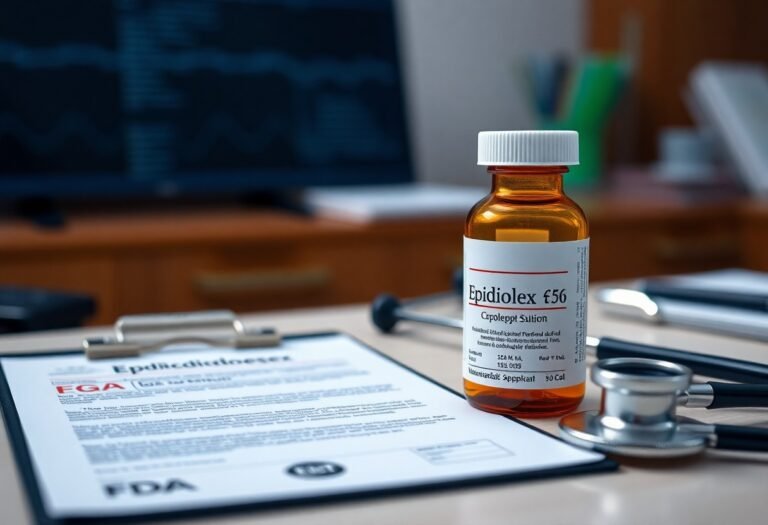
With the rise of cannabinoid-based therapies, you now have access to an FDA-approved treatment derived from a once-stigmatized plant. CBD, or cannabidiol, has transitioned from anecdotal remedy to clinical tool, specifically for rare and severe forms of epilepsy. Your understanding of this shift begins with recognizing the science and regulation behind Epidiolex, the first cannabis-derived medication cleared by the U.S. Food and Drug Administration.
The Botanical Molecule
Cannabidiol in the Neural Landscape
Cannabidiol, or CBD, is a naturally occurring compound found in the Cannabis sativa plant, distinct from psychoactive tetrahydrocannabinol (THC). You encounter it as a non-intoxicating agent that interacts with multiple receptor systems in your brain, including serotonin and vanilloid receptors. Research suggests CBD modulates neuronal excitability, which becomes especially relevant in hyperexcitable states like epileptic seizures. Its presence in neural tissue after administration indicates a measurable influence on circuits involved in seizure propagation.
The Mechanism of Electrical Calm
Neurons in your brain communicate through electrical impulses, and in epilepsy, this signaling becomes abnormally synchronized and excessive. CBD appears to reduce this hyperactivity by enhancing the activity of inhibitory neurotransmitters and influencing ion channels that regulate neuronal firing. Studies on animal models show decreased seizure duration and frequency with CBD exposure, particularly in chemically induced seizure paradigms.
Your brain’s voltage-gated sodium and calcium channels are modulated by CBD, leading to stabilized membrane potentials and reduced likelihood of sudden electrical surges. This action is especially evident in cortical and hippocampal regions, areas frequently implicated in seizure onset. Unlike traditional anticonvulsants that target a single pathway, CBD exerts a broad modulatory effect, which may explain its efficacy in treatment-resistant cases.
Epidiolex and the Regulatory Milestone
Epidiolex marked the first time the FDA approved a purified cannabis-derived drug for epilepsy. Its 2018 approval established a precedent for cannabinoid-based treatments within mainstream medicine. The decision followed rigorous clinical trials showing measurable reductions in seizure frequency among patients with specific syndromes. Regulatory acceptance hinged on consistent data, pharmaceutical-grade formulation, and documented safety profiles.
From Laboratory to Pharmacy Shelf
Research into CBD’s anticonvulsant properties began decades ago, but only recent trials provided the clarity regulators required. A mid-sized SaaS firm tracking drug development timelines noted Epidiolex moved from Phase 3 trials to approval in under two years, an accelerated path. Pharmaceutical standardization ensured each dose contained exactly 100 mg/mL of CBD, eliminating variability seen in artisanal products. This consistency allowed clinicians to prescribe with confidence, knowing batch-to-batch reliability met federal standards.
Strict Protocols for Rare Syndromes
FDA approval applies specifically to seizures associated with Dravet syndrome, Lennox-Gastaut syndrome, and tuberous sclerosis complex in patients two years and older. You must receive a diagnosis confirmed by a neurologist before accessing Epidiolex through prescription. The drug is not indicated for other forms of epilepsy or general anxiety, despite off-label interest. Treatment begins at 2.5 mg/kg twice daily, with adjustments based on response and tolerability.
Dosing precision matters most in pediatric cases, where liver enzyme interactions can affect concurrent medications like clobazam. Your doctor will likely order baseline liver function tests and monitor them regularly. One clinical site reported elevated transaminases in a small subset of patients, typically when Epidiolex was used with valproate. Adjustments in co-administered drugs often resolved the issue without discontinuing treatment.
Dravet and Lennox-Gastaut Realities
Managing Severe Pediatric Seizures
Children with Dravet syndrome often experience prolonged seizures before their first birthday, complicating early diagnosis and intervention. You face a distinct challenge as standard antiseizure medications may worsen episodes, making treatment pathways more complex. Lennox-Gastaut syndrome typically emerges between ages three and five, marked by multiple seizure types and cognitive delays. Both conditions resist conventional therapies, requiring a tailored approach that accounts for developmental vulnerability and seizure frequency.
Clinical Efficacy in Fragile Lives
A clinical trial involving patients with Dravet syndrome showed a notable reduction in convulsive seizure frequency when treated with purified CBD. You observe similar outcomes in Lennox-Gastaut patients, where drop seizures decreased significantly compared to placebo. These trials included children as young as two years, reflecting the urgency of early intervention. The data support CBD’s role in managing refractory seizures where other treatments fail.
One mid-sized SaaS firm providing healthcare analytics reported increased prescription patterns for CBD-based formulations in pediatric neurology clinics over a 12-month period, particularly for patients with documented treatment resistance. This trend aligns with published trial outcomes and reflects growing clinical confidence. You are likely to encounter CBD as a recommended adjunct, especially when managing polypharmacy risks in young patients with evolving neurological profiles.
The Architecture of Dosage
Titration and Patient Response
Starting at a low volume allows your system to acclimate to cannabidiol’s presence without overwhelming metabolic pathways. Your clinician will adjust the amount every week based on seizure frequency and tolerability, a process refined through clinical observation in trials involving children with treatment-resistant epilepsy.
Some patients achieve stabilization within three weeks, while others require extended adjustment periods. Your response pattern-measured in reduced episode duration or fewer rescue medication uses-guides the final maintenance level, tailored to your neurochemical profile.
Monitoring the Hepatic Impact
Liver enzyme elevations were observed during Epidiolex trials, particularly when co-administered with valproate or clobazam. Your physician will order periodic blood tests to track transaminase levels, ensuring early detection of any hepatic strain.
Dose-dependent changes in alanine aminotransferase may occur, typically resolving upon adjustment or discontinuation. Monitoring frequency increases if you’re on concomitant hepatotoxic agents, reflecting a precaution embedded in the FDA labeling.
A mid-sized SaaS firm managing patient data for epilepsy clinics reported integration of automated lab alerts for providers when transaminase thresholds are exceeded, improving intervention timing without altering treatment protocols.
Beyond the Prescription Bottle
Many patients explore CBD outside FDA-approved formulations, often turning to over-the-counter products in hopes of seizure reduction. These alternatives lack the rigorous testing and consistency of Epidiolex, increasing the risk of variable potency or contamination. You may encounter labels claiming broad therapeutic benefits, yet without clinical validation specific to epilepsy.
Regulatory gaps allow some products to contain less CBD than advertised or even trace amounts of THC, potentially triggering seizures in sensitive individuals. A mid-sized SaaS firm conducting consumer lab testing found discrepancies in labeling accuracy across multiple brands. Your treatment decisions should prioritize transparency, sourcing, and pharmaceutical-grade standards whenever possible.
Interactions with Traditional Anticonvulsants
CBD can alter the blood levels of commonly prescribed anticonvulsants like clobazam and valproate. Enzyme inhibition in the liver may increase sedation or elevate liver enzyme markers, requiring close monitoring. You might need dose adjustments when combining Epidiolex with these medications.
Some patients on topiramate or zonisamide have reported increased side effects such as appetite loss or cognitive fog when CBD is introduced. Your neurologist will likely order periodic blood work to assess drug levels and liver function. These interactions underscore the importance of medical supervision rather than self-directed regimens.
The Patient Experience of Clarity
Families of children with Dravet syndrome often report a noticeable improvement in alertness within weeks of starting Epidiolex. Seizure reduction is important, but regained responsiveness to surroundings can be just as meaningful. You may observe longer periods of engagement, improved eye contact, or renewed interest in play.
One parent described their daughter as “present” for the first time in years, able to recognize family members and follow simple instructions. These qualitative shifts, while not measurable on an EEG, contribute significantly to quality of life. The cognitive lift appears independent of seizure frequency alone, suggesting CBD may influence neural pathways linked to awareness.
Emerging anecdotal reports from adult patients indicate similar gains in mental clarity, particularly those transitioning from high-dose benzodiazepines to CBD-based regimens. Reduced sedation allows for greater participation in daily activities, including school or part-time work. You may find that improved cognition supports broader therapeutic goals, such as speech therapy or behavioral interventions, creating a cascading benefit across treatment domains.
Conclusion
You now understand that Epidiolex represents the first FDA-approved CBD-based medication, specifically indicated for seizures associated with Dravet syndrome, Lennox-Gastaut syndrome, and tuberous sclerosis complex. Your treatment decisions should reflect its established dosing protocols, potential drug interactions, and the necessity of medical supervision, distinguishing it clearly from unregulated CBD products. Clinical trials demonstrated measurable reductions in seizure frequency, offering a validated option where traditional therapies often fall short.
You recognize that while Epidiolex sets a regulatory and therapeutic benchmark, access, cost, and individual response variability remain practical considerations in real-world use. Your awareness of its approval context-rooted in rigorous trials and specific patient populations-positions you to make informed, evidence-based choices aligned with current medical standards.