Over 60% of U.S. adults have tried or considered trying CBD, yet confusion around basic terminology persists. You will encounter terms like isolate, broad-spectrum, and terpenes early in your journey. Understanding what these mean-how they affect potency, legality, and experience-shapes your choices. This guide breaks down the necessary vocabulary clearly and concisely, so you can make informed decisions without wading through marketing jargon or conflicting claims.
The Source
Hemp and Marijuana
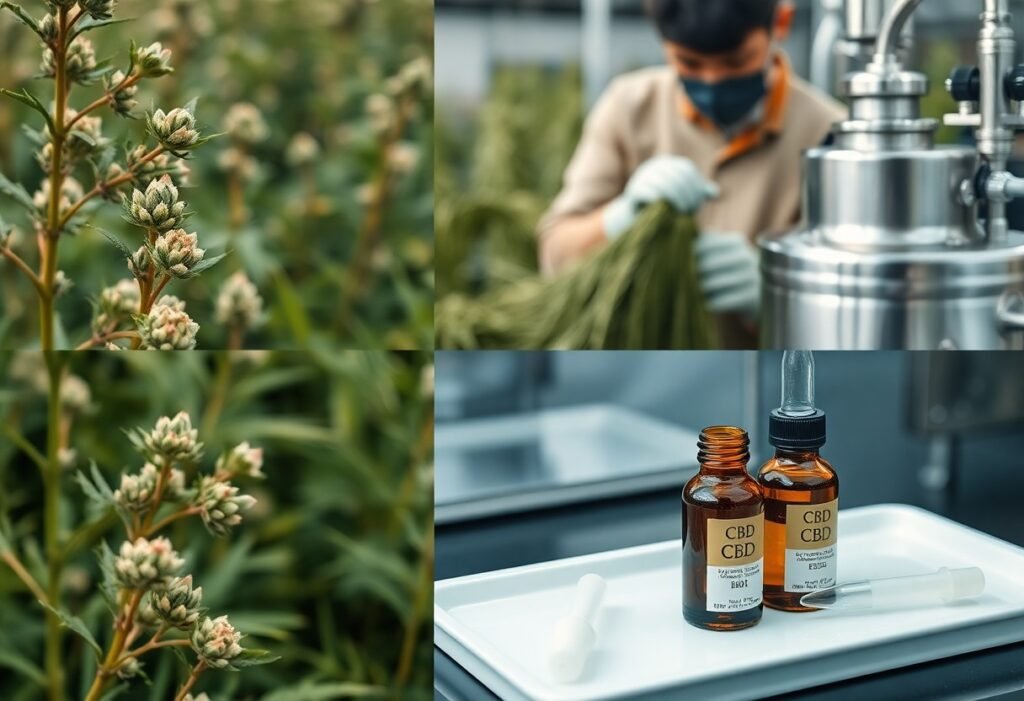
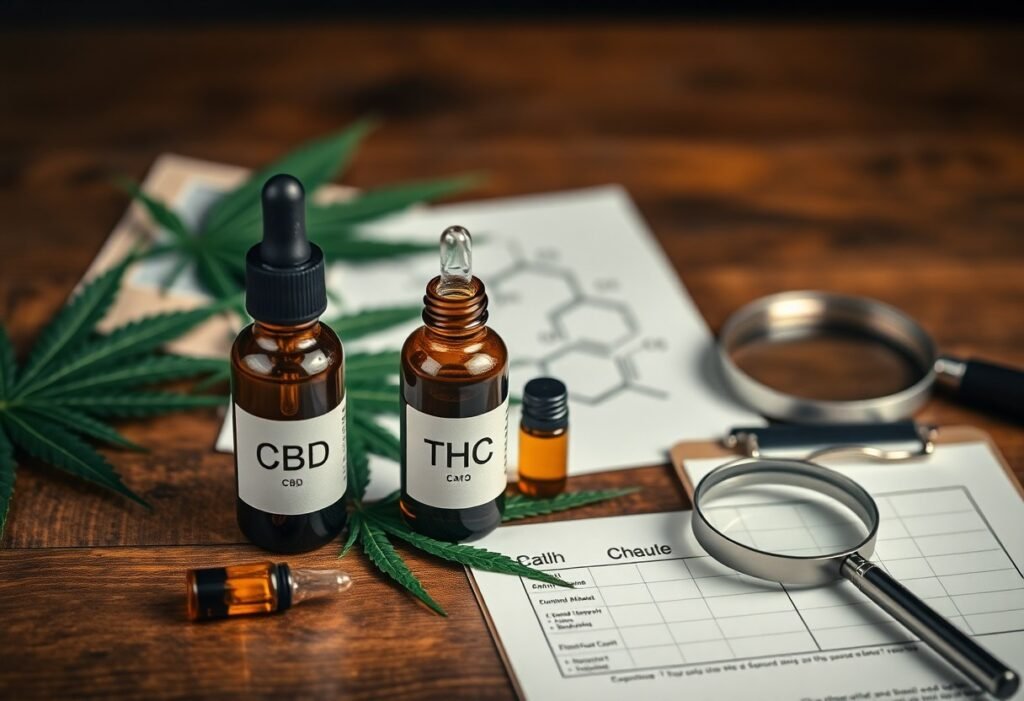
Cannabis is a plant genus that includes both hemp and marijuana, differentiated primarily by their tetrahydrocannabinol (THC) content. Hemp contains less than 0.3% THC by dry weight, making it non-intoxicating and federally legal in the U.S. under the 2018 Farm Bill. Marijuana, in contrast, has higher THC levels and is used recreationally or medicinally where permitted by law. You’ll find CBD products almost exclusively derived from hemp due to its legal accessibility and low psychoactivity.
Despite their botanical similarity, hemp and marijuana are cultivated differently. Hemp grows tall and fibrous, ideal for CBD extraction and industrial uses like textiles. Marijuana plants are typically bushier, grown for flower production. Your ability to legally access CBD hinges on this distinction, as most commercial products must originate from compliant hemp sources.
Cannabinoids and Terpenes
Cannabinoids are naturally occurring compounds in cannabis that interact with your body’s endocannabinoid system. CBD and THC are the most well-known, but over 100 others exist, including CBG, CBN, and CBC. Terpenes are aromatic molecules found in many plants, including cannabis, contributing to scent and potentially influencing effects. Together, cannabinoids and terpenes may produce an entourage effect, where combined compounds enhance overall impact.
You encounter terpenes daily-limonene in citrus peels, myrcene in hops, and pinene in pine needles. In hemp, these compounds vary by strain and growing conditions, shaping each product’s character. A full-spectrum CBD oil retains these elements, offering a broader profile than isolates. Your experience may differ between products based on this complex chemistry, even at identical CBD concentrations.
The Spectrum of Oil
CBD oils are categorized by the range of compounds extracted from the hemp plant, a classification known as the spectrum. These distinctions affect both the potential effects and legal status of the product you choose. Understanding the differences ensures alignment with your wellness goals and regulatory compliance in your region.
Full Spectrum
Full spectrum CBD contains all naturally occurring cannabinoids, terpenes, and flavonoids found in the hemp plant, including trace amounts of THC-typically below 0.3%. This composition supports the entourage effect, where compounds work synergistically to enhance overall impact. A Colorado-based wellness clinic observed improved user-reported relief with full spectrum formulations compared to isolated alternatives.
Broad Spectrum and Isolate
Broad spectrum CBD retains multiple hemp compounds but removes all THC, offering a middle ground for those sensitive to or restricted from THC. CBD isolate is pure cannabidiol, often appearing as a white powder with 99%+ purity. A mid-sized SaaS firm’s employee wellness program opted for isolate-based products to comply with strict corporate drug policies.
Choosing between broad spectrum and isolate often depends on personal sensitivity and workplace regulations. Broad spectrum maintains many supportive compounds without THC, making it suitable for daily use in conservative environments. Isolate provides precise dosing and complete neutrality, preferred in clinical settings or when drug testing is routine.
The Internal Engine
Endocannabinoid System
Your body hosts a network known as the endocannabinoid system (ECS), which helps regulate functions like sleep, mood, and appetite. This system operates whether or not you consume CBD, maintaining internal stability through biochemical signals.
Found in all mammals, the ECS consists of receptors, enzymes, and endocannabinoids your body produces naturally. A mid-sized SaaS firm studying wellness trends noted increased employee interest in how this system influences daily performance and recovery.
Receptors and Balance
CB1 and CB2 receptors serve as primary docking sites within the ECS, located mostly in the brain and immune cells respectively. When cannabinoids like CBD interact with these receptors, they may influence the body’s equilibrium without causing intoxication.
Your body’s response depends on receptor distribution and individual biochemistry. For example, someone with chronic joint discomfort might notice changes in mobility after consistent use, tied to CB2 receptor activity in inflamed tissues.
Enzymes break down endocannabinoids after use, ensuring signals don’t last longer than needed. This precise control allows your system to respond dynamically to stress, injury, or environmental shifts, maintaining functional balance over time.
Strength and Entry
Milligrams and Potency
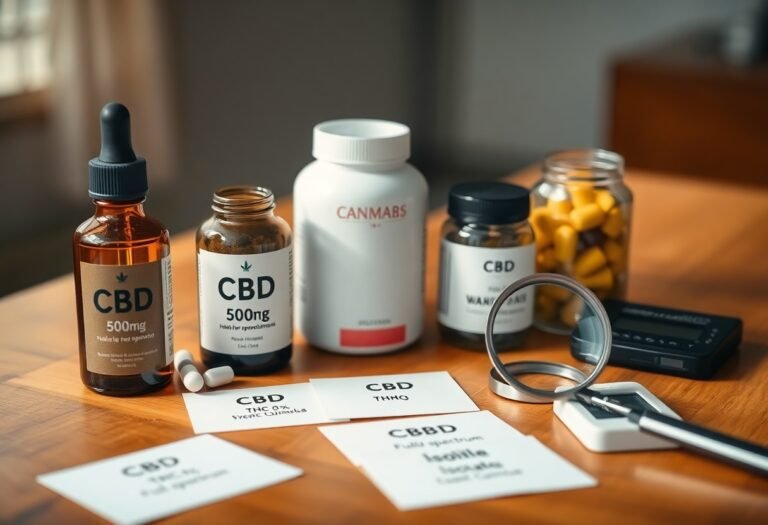
Strength is measured in milligrams of CBD per serving, and this number directly influences effects. A typical tincture might offer 25 mg per dropper, while gummies often contain 10 mg each. Starting with a low dose allows you to assess tolerance before increasing intake. Product labels clearly list total and per-serving amounts to guide decisions.
Higher milligram products suit those seeking stronger effects, such as support for persistent discomfort. A 1000 mg bottle of oil delivers more concentrated servings than a 300 mg version. Always compare milligrams per dose, not total bottle amount, to accurately judge potency across formats.
Tinctures and Absorption
Tinctures are liquid extracts taken sublingually, usually with a dropper. Holding the oil under your tongue for 30 to 60 seconds allows direct absorption into the bloodstream through mucous membranes. This method bypasses digestion, leading to faster onset than edibles, often within 15 to 30 minutes.
Your body absorbs a higher percentage of CBD when taken sublingually compared to swallowing. A mid-sized SaaS firm employee using a tincture before a presentation may feel effects quicker than someone taking a capsule. Consistency in timing and placement under the tongue improves reliability of results over time.
The Proof of Quality
Certificate of Analysis
A Certificate of Analysis (COA) is a document provided by an independent lab verifying the contents of a CBD product. You receive confirmation of cannabinoid levels, ensuring the amount of CBD matches what’s on the label. Reputable brands make COAs accessible, often via QR codes on packaging. Without one, you’re relying solely on the manufacturer’s claims, which may not reflect actual composition.
Lab Testing and Purity
Third-party lab testing checks for contaminants like heavy metals, pesticides, and residual solvents. You gain assurance the product is safe for regular use. These tests also confirm terpene profiles and detect unwanted compounds such as excess THC. A clean lab report reflects a manufacturer’s commitment to transparency and consumer safety.
Testing protocols vary, but accredited labs follow standardized methods to assess purity and potency. You might see results listing microbial counts or solvent residues, especially in full-spectrum oils. For instance, a mid-sized SaaS firm auditing wellness benefits once flagged CBD vendors lacking current lab reports, prioritizing only those with verifiable purity data.
Final Words
Understanding terms like CBD, full-spectrum, isolate, and terpenes puts you in control when selecting products. You can identify labels indicating extraction methods, carrier oils, or third-party testing, which reflect transparency and safety. A mid-sized SaaS firm might prioritize clarity in service terms, just as you should demand clear labeling in CBD.
You now recognize the difference between broad-spectrum and full-spectrum, know what bioavailability means for delivery methods, and can assess certificate of analysis reports. This knowledge protects you from misleading marketing and supports informed decisions aligned with your wellness goals.