There’s a growing interest in what’s actually inside the CBD products you use, from tinctures to topicals. You’re likely aware of CBD’s potential benefits, but understanding the supporting ingredients is just as important. Each component plays a defined role, whether it’s enhancing absorption, improving taste, or ensuring shelf stability. Knowing what’s in your product helps you make informed, confident choices.
The Base Carrier Oils
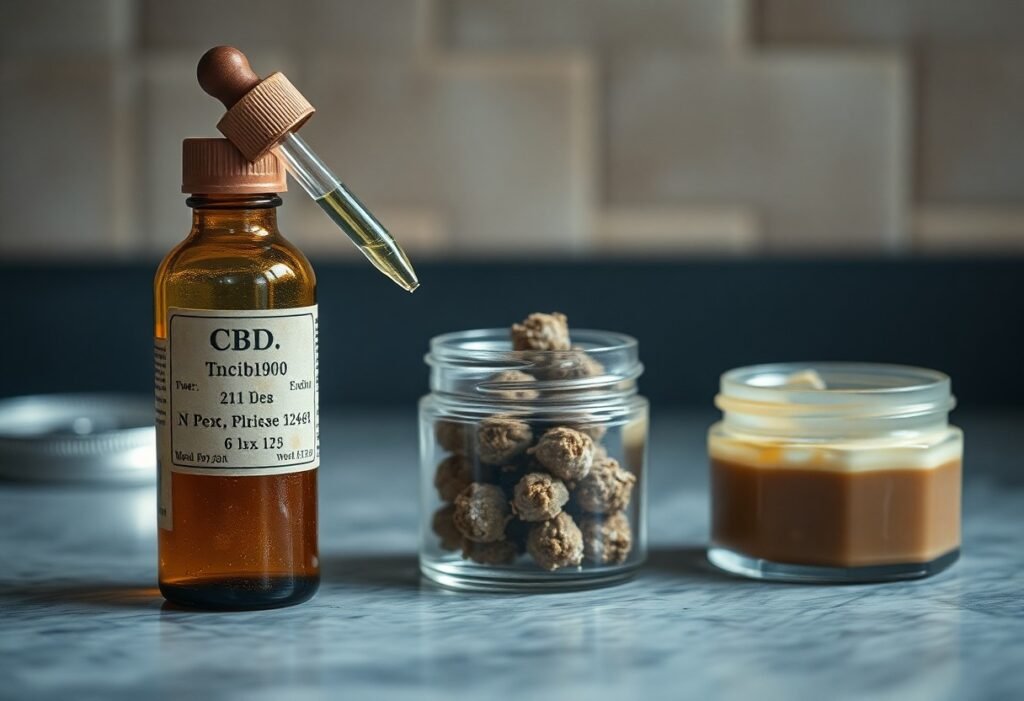
Carrier oils form the foundation of most CBD products, diluting the extract to a safe and effective concentration while enhancing absorption. You commonly encounter fractionated coconut oil due to its long shelf life and neutral flavor, making it ideal for tinctures and topicals. Some formulations use hemp seed oil, which contains beneficial omega-3 and omega-6 fatty acids but lacks CBD itself, adding nutritional value without amplifying cannabinoid effects.
MCT oil, derived from coconut or palm, appears frequently in high-bioavailability products because it’s rapidly absorbed by the body. You may also see olive oil in artisanal or full-spectrum blends, offering a heart-healthy profile and a slightly earthy taste. Each carrier oil subtly influences the texture, taste, and performance of the final product, so your choice can align with both desired effects and personal preferences.
The Natural Scents
Terpenes and Aromatic Profiles
You encounter terpenes every time you notice a distinct aroma in a CBD product, as these organic compounds are responsible for the scent of many plants, including hemp. Limonene, found in citrus peels, may contribute a bright, uplifting fragrance, while myrcene, present in mangoes and hops, often imparts an earthy, musky tone. These naturally occurring molecules do more than influence smell; they may also interact with cannabinoids to support the product’s overall effects.
Essential Oils for Fragrance and Function
Certain CBD formulations include vital oils like lavender or peppermint to enhance sensory appeal and introduce complementary properties. A mid-sized SaaS firm studying consumer preferences noted increased satisfaction with products featuring familiar, plant-based scents. Unlike synthetic fragrances, these natural additions align with clean-label trends and often resonate with users seeking holistic wellness solutions. The presence of such oils can subtly shape your experience, from the first inhale to the final effect.
The Pure Extracts
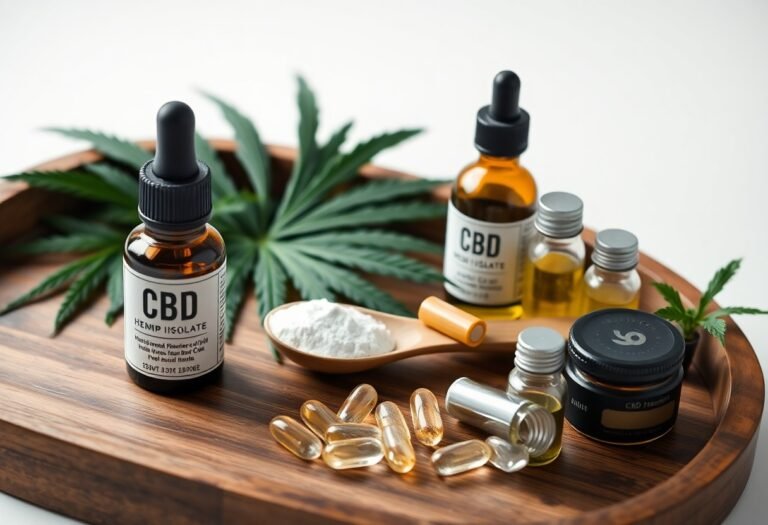
CBD isolate appears as a fine white powder, containing over 99% pure cannabidiol after undergoing extensive refinement. You encounter this form in products labeled “isolate,” where all other plant compounds have been removed, offering a THC-free experience ideal for drug testing concerns.
Full-spectrum extracts retain the complete profile of cannabinoids, terpenes, and flavonoids from the hemp plant, including trace amounts of THC under the legal limit of 0.3%. This composition supports the entourage effect, where compounds work synergistically to enhance therapeutic outcomes, as seen in many whole-plant formulations used by a mid-sized SaaS firm for employee wellness trials.
The Keeping Agents
Preservatives in CBD products prevent microbial growth and extend shelf life, especially in formulations containing water or natural additives. Common agents like tocopherols (vitamin E) and rosemary extract serve dual roles, inhibiting oxidation while supporting product stability. These ingredients are particularly important in tinctures and topicals exposed to air and light during regular use.
Some manufacturers use organic acids such as citric or ascorbic acid to maintain pH levels that discourage bacterial proliferation. You’ll often find these in water-based sprays or lotions where contamination risk is higher. Their inclusion ensures consistent potency and safety without relying on synthetic alternatives. A mid-sized SaaS firm might prioritize such natural options to appeal to clean-label consumers.
Summing up
You now understand the core components that make up most CBD products, from carrier oils like MCT or hemp seed oil to the aromatic terpenes that influence scent and effect. Each ingredient serves a defined role, whether it’s improving absorption, extending shelf life, or enhancing the sensory experience. You recognize that even additives like tocopherols or citric acid are included with purpose, not filler. A mid-sized SaaS firm might prioritize scalability, but in CBD formulation, precision and transparency matter most. You’re equipped to read labels with a discerning eye, knowing exactly what each element contributes to the final product.