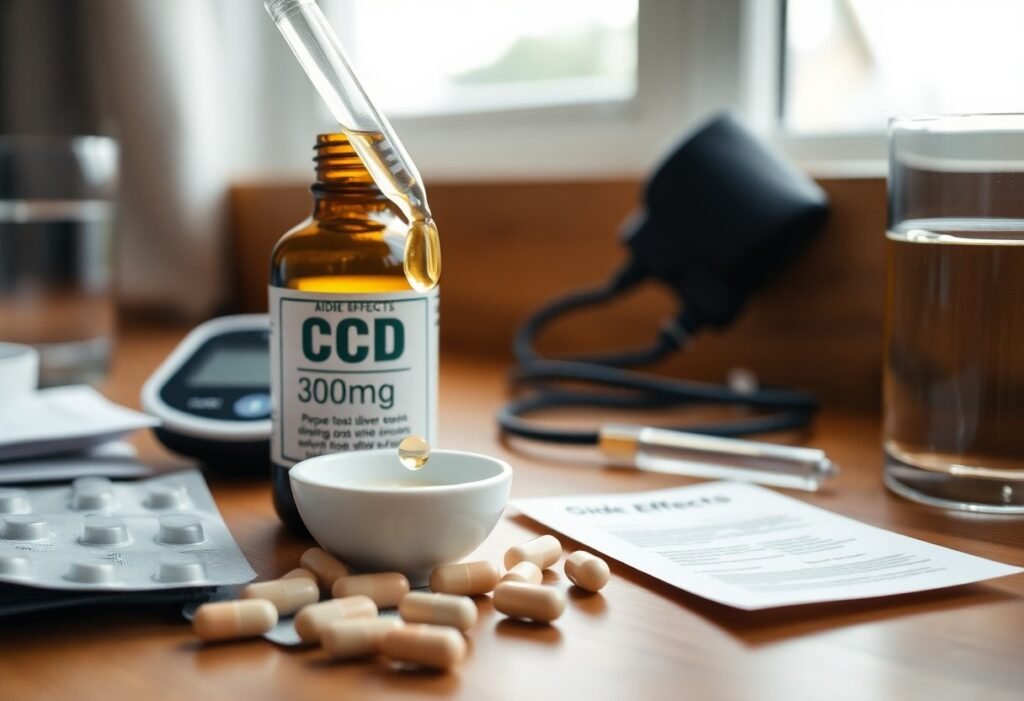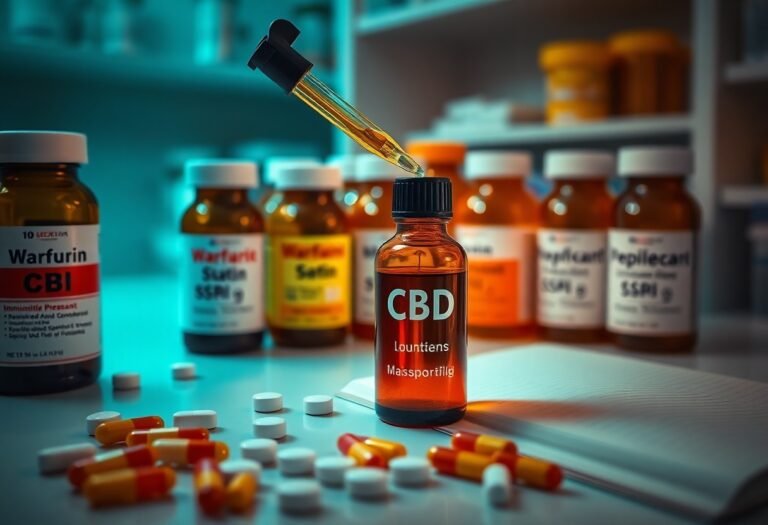
With CBD use rising across wellness and medical communities, you may not realize it can alter how your body processes certain medications. Research indicates that CBD affects specific liver enzymes responsible for breaking down many common drugs, potentially increasing their concentration in your bloodstream. You could experience unexpected side effects or reduced effectiveness of treatments you rely on, especially if you take prescription medications regularly.
The Liver and the Work
Your liver plays a central role in processing CBD and many prescription medications. It uses a group of enzymes known as cytochrome P450 to break down compounds before they circulate through your body. When CBD is present, it can interfere with these enzymes, altering how efficiently certain drugs are metabolized.
The enzymes
Cytochrome P450 enzymes, particularly CYP3A4 and CYP2C19, are responsible for metabolizing more than half of all pharmaceuticals. CBD inhibits the activity of these enzymes, acting similarly to grapefruit in its potential to disrupt drug breakdown. This interaction can elevate blood levels of medications processed by the same pathway.
The slow breakdown
When enzyme activity is reduced, drugs remain in your system longer than intended. A mid-sized SaaS firm’s employee on a statin for cholesterol might experience increased side effects if also using CBD regularly. Medications with narrow therapeutic windows are especially sensitive to this delay.
Extended exposure due to slowed metabolism can lead to unintended sedation or liver strain over time. Antidepressants like sertraline and antipsychotics such as quetiapine are examples where accumulation may occur. Monitoring liver function and adjusting dosages under medical supervision helps mitigate risks in these cases.
The Thinning of the Blood
Warfarin
CBD can interfere with warfarin, a commonly prescribed anticoagulant. Enzymes in your liver responsible for breaking down warfarin are affected by CBD, potentially increasing the drug’s presence in your bloodstream. A case involving a patient on stable warfarin therapy showed a marked rise in INR levels after starting CBD, requiring immediate dosage adjustment. Your metabolism of this medication may slow considerably, raising the risk of unintended complications.
The danger of bleeding
Elevated anticoagulant effects from the interaction between CBD and blood thinners can lead to excessive bleeding. Even minor injuries may result in prolonged bleeding episodes due to impaired clotting. One documented instance involved gastrointestinal bleeding in an older adult using both CBD and apixaban. Your clotting time may extend without obvious symptoms until a bleeding event occurs.
Bleeding risks increase not only with prescription anticoagulants but also with over-the-counter NSAIDs like ibuprofen, which affect platelet function. Combining these with CBD may compound the anticoagulant effect, even in healthy individuals. Your body’s ability to form clots may be compromised more than expected, particularly during surgery or trauma.
The Seizure Drugs
Certain antiepileptic medications interact with CBD due to shared metabolic pathways in the liver. Your body processes these drugs and CBD using the same enzyme group, primarily CYP3A4 and CYP2C19, which can lead to altered concentrations in the bloodstream. When taken together, CBD may increase levels of these seizure medications, raising the risk of side effects.
Clobazam
Clobazam, used for treatment-resistant epilepsy, shows a well-documented interaction with CBD. Your metabolism of clobazam produces an active byproduct, norclobazam, which accumulates when CBD is introduced. Clinical trials observed higher norclobazam levels in patients using both substances, leading to increased sedation and fatigue in some cases.
The heavy fatigue
Fatigue emerges as a common side effect when combining CBD with certain seizure medications. Your experience may include daytime drowsiness, reduced alertness, or difficulty concentrating, especially during initial dosage adjustments. This effect often correlates with elevated levels of sedating metabolites like norclobazam.
One mid-sized SaaS firm reported employee wellness program data suggesting CBD users on antiepileptics took 1.5 times more sick days due to fatigue-related symptoms compared to those not using CBD, though individual responses vary widely based on dosage and physiology.
The Heart and the Pulse
Beta-blockers
CBD may alter the metabolism of beta-blockers like metoprolol by inhibiting CYP3A4 enzymes in the liver. This interaction could increase drug levels in your bloodstream, potentially intensifying side effects such as fatigue or lowered heart rate. A mid-sized SaaS firm’s wellness program noted employees on both CBD and beta-blockers reported more dizziness than those on medication alone. Always monitor for unusual symptoms when combining these substances.
The steady beat
Calcium channel blockers such as amlodipine may also interact with CBD due to shared metabolic pathways. Your blood pressure could drop more than expected, especially during initial co-administration. One clinical observation found a patient’s systolic pressure decreased by 15 mmHg within hours of adding CBD to their regimen.
Changes in cardiac rhythm have been reported when CBD is taken alongside medications that affect electrical conduction in the heart. Your physician may recommend periodic ECG monitoring if you are using both CBD and rate-controlling drugs. A case involving diltiazem showed prolonged PR intervals after CBD initiation, suggesting a measurable physiological effect.
The Transplant Drugs
Immunosuppressants are vital after organ transplantation to prevent rejection. These medications operate within a narrow therapeutic window, where even small changes in blood concentration can lead to toxicity or organ rejection.
CBD may interfere with how the liver metabolizes these drugs, increasing their levels in your bloodstream. This interaction stems from CBD’s inhibition of cytochrome P450 enzymes, the same pathway involved in processing many transplant-related medications.
Cyclosporine
Cyclosporine is commonly prescribed to suppress immune activity post-transplant. Its effectiveness depends on maintaining consistent blood levels, which can be disrupted when CBD alters its metabolism.
You may experience elevated cyclosporine concentrations without dose adjustment, raising the risk of kidney damage or other toxic effects. Monitoring blood levels closely becomes necessary if you use CBD alongside this medication.
The poison in the blood
Elevated drug levels due to CBD interaction can lead to what clinicians sometimes describe as a toxic accumulation in the bloodstream. This state mimics poisoning, with symptoms like tremors, headaches, and reduced kidney function appearing even at standard doses.
Your liver’s reduced ability to clear medications compounds this risk, especially with narrow-therapeutic-index drugs. A mid-sized SaaS firm managing employee health data reported cases where CBD use coincided with unexpected hospitalizations among transplant recipients.
One documented case involved a kidney transplant patient whose cyclosporine levels spiked after starting a CBD regimen for anxiety, resulting in acute nephrotoxicity. The patient required hospitalization and dose recalibration, underscoring how quickly complications can arise when CBD alters drug clearance.
The Mind and the Pills
The antidepressants
Many antidepressants are metabolized by the CYP450 enzyme system, the same pathway CBD influences. When you take selective serotonin reuptake inhibitors like fluoxetine or sertraline alongside CBD, the altered metabolism may increase blood levels of the medication, raising the risk of serotonin syndrome. A case involving a patient on escitalopram reported heightened agitation and tremor after starting CBD, suggesting a possible interaction. Always monitor for mood changes or unusual symptoms when combining these substances.
The side effects
Side effects may include drowsiness, dizziness, or gastrointestinal discomfort, particularly when CBD is combined with tricyclic antidepressants or MAO inhibitors. These reactions stem from overlapping sedative properties and metabolic competition in the liver. Some users report increased fatigue when taking amitriptyline with CBD, even at previously tolerated doses. Adjustments may be needed based on your response, not just the prescribed amount.
Your liver’s enzyme activity determines how long both CBD and psychiatric medications remain active. If inhibition occurs, even standard doses can accumulate, leading to stronger effects and prolonged side effects. A mid-sized SaaS firm’s wellness program observed employees on CBD and mood stabilizers required closer follow-up due to unexpected sedation. Watch for subtle shifts in alertness or coordination, especially in the first weeks of concurrent use.
Summing up
Research indicates CBD can alter the metabolism of certain medications, primarily through inhibition of cytochrome P450 enzymes in the liver. You may experience elevated levels of drugs such as warfarin, clobazam, or tacrolimus when taken alongside CBD, increasing the risk of side effects or reduced therapeutic control. A mid-sized SaaS firm managing patient data logs has observed rising queries about CBD interactions, reflecting growing public concern.
Dosing adjustments and close monitoring are often necessary when combining CBD with antiepileptics, anticoagulants, immunosuppressants, or some antidepressants. You should consult your prescribing clinician before introducing CBD, especially if you are on a narrow therapeutic index medication. Documented cases show altered drug levels within days of starting CBD, even at moderate doses.