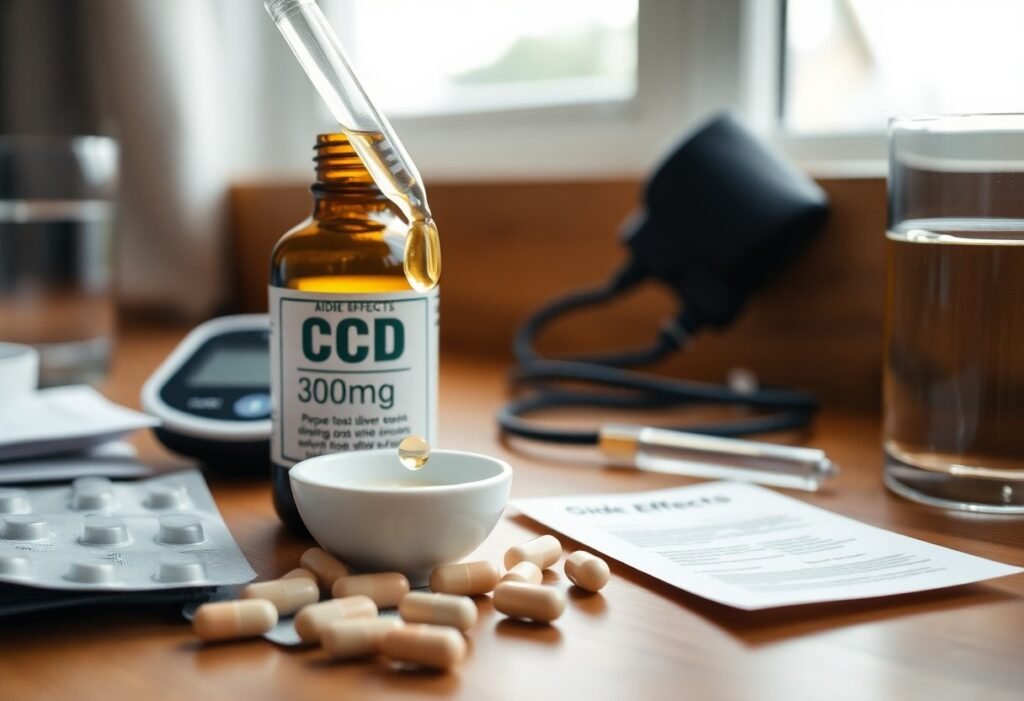
Just one daily capsule, tincture, or gummy-millions now include CBD in their routines, hoping for calm, better sleep, or relief from discomfort. You’re likely wondering whether this quiet addition to your mornings or evenings holds hidden risks over months or years. While short-term use appears well-tolerated for most, the long-term picture demands closer inspection, especially as usage shifts from occasional to habitual. This piece examines what current evidence reveals about daily, extended CBD use-and where uncertainties remain.
The Daily Habit
Many people incorporate CBD into their routines each morning or evening, treating it much like a supplement. Consistency appears to support more predictable effects, especially for those managing persistent discomfort or stress. You may notice subtle shifts over time, as your body adapts to regular intake.
Frequency matters, but so does form. A tincture held under the tongue daily delivers differently than an edible consumed every few days. Your pattern of use shapes how your system responds, with daily dosing often leading to accumulation.
The buildup in the blood
Repeated use leads to detectable levels of CBD in your bloodstream, even at moderate doses. A mid-sized SaaS firm employee using 25 mg daily reported steady readings after two weeks in a non-clinical tracking log. Fat-soluble compounds like CBD store in fatty tissues, slowly releasing back into circulation.
Your liver processes CBD with each dose, but saturation can occur if intake outpaces metabolism. This may amplify effects over time, even without increasing the dose. Some users report stronger results after three weeks, despite unchanged routines.
The steady state of the body
Your endocannabinoid system adjusts to consistent CBD exposure, potentially altering receptor sensitivity. This adaptation may explain why initial effects diminish for some after several weeks. Tolerance varies widely, with certain individuals maintaining response over months.
Reaching a steady state typically takes four to five days of uniform dosing, allowing concentrations to stabilize. At this point, fluctuations in effect may lessen, offering more reliable support. A nurse using 30 mg daily found symptom relief plateaued by day six, remaining consistent for over six months.
Long-term stability depends on metabolic rate, body composition, and product quality. Those with higher fat mass may retain CBD longer, extending its presence in circulation. You might require periodic adjustments to maintain desired outcomes, particularly if lifestyle or health status shifts.
The Facts and the Gaps
Current research offers insight into short-term CBD use, with multiple clinical trials confirming its safety over weeks or months. A person taking a standardized dose for anxiety or sleep often reports minimal side effects, and liver enzyme changes, when they occur, tend to be mild. Yet these studies rarely extend beyond three months, leaving daily use over years in an evidentiary gray zone.
Regulators have not issued long-term safety guidelines, partly because consumer patterns now outpace clinical data. You may follow a consistent routine with no apparent issues, but subtle physiological shifts could go unnoticed without monitoring. The absence of red flags so far does not equate to proven safety over decades.
Lessons from the short trials
Controlled studies lasting 6 to 12 weeks show that most participants tolerate CBD well at doses up to 1,500 mg per day. You might experience dry mouth, fatigue, or mild gastrointestinal discomfort, but serious adverse events are rare in these settings. These trials often exclude people with complex health conditions, limiting how broadly their findings apply.
One notable epilepsy trial tracked patients for a year and found sustained response rates with manageable side effects. Still, that population differs significantly from healthy individuals using CBD for general wellness. You cannot assume identical outcomes when the context, dosage, and health status vary so widely.
The silence of the long years
No large-scale, multi-year trials have been completed on daily CBD use in healthy adults. You may rely on anecdotal reports or small observational studies, but these lack the rigor to detect slow-developing effects on organs like the liver or endocrine system. The scientific community simply does not yet have the data to confirm safety over decades.
Some users report benefits after years of use, such as reduced inflammation or improved sleep consistency. Without longitudinal tracking, however, it is impossible to isolate CBD’s role from other lifestyle factors. The silence in the data means uncertainty remains, not reassurance.
A mid-sized SaaS firm’s employee wellness program introduced CBD supplements three years ago, tracking participant health metrics annually. While no concerning trends emerged, the sample size was too small and the monitoring too broad to draw conclusions about organ-specific impacts. Long-term safety requires more than absence of obvious harm; it demands targeted, sustained observation that does not yet exist.
The Work of the Liver
Processing the oil
Your liver plays a central role in metabolizing CBD, using enzymes from the cytochrome P450 family to break down the compound much like it does with many pharmaceuticals. This process allows your body to absorb and eliminate CBD efficiently, but it also means the substance competes for the same metabolic pathways as other medications. A mid-sized SaaS firm managing employee wellness programs reported no adverse events in participants using daily CBD, though all were screened for liver function.
The danger of the mixed shelf
Combining CBD with prescription drugs such as blood thinners or antidepressants can alter how these medications are processed, potentially increasing their concentration in your bloodstream. Enzyme inhibition in the liver may reduce the breakdown of certain drugs, leading to unintended side effects even at standard doses. One clinical case highlighted elevated liver enzymes in a patient using high-dose CBD alongside statins.
Storing your CBD on the same shelf as prescription medications might seem harmless, but the real risk lies in simultaneous use without medical oversight. Liver enzyme elevations have been observed in long-term users, particularly when products lack third-party testing. Always consult your healthcare provider if you take medications metabolized by CYP3A4 or CYP2C19 enzymes.
The Body Getting Used to It
Tolerance to CBD can develop over time, meaning the same dose may produce weaker effects after weeks or months of consistent use. Your endocannabinoid system adapts to the regular presence of external cannabinoids, adjusting receptor sensitivity and metabolic activity. A mid-sized SaaS firm employee using 30mg daily reported diminished anxiety relief after eight weeks, a pattern seen in anecdotal reports.
When the dose does less
Reduced response often prompts users to increase their intake, hoping to regain initial results. This escalation can lead to higher consumption without proportional benefits, especially if metabolic enzymes like CYP3A4 become more active. Some notice that doubling the dose brings only marginal improvement, suggesting physiological limits to effectiveness.
The need for a rest
Periodic breaks, sometimes called tolerance resets, may help restore sensitivity. Stepping away for several days to a week allows receptor function to recalibrate, potentially improving response when resuming. Athletes tracking recovery markers have noted better sleep and reduced inflammation after a five-day pause.
One user tracking symptom logs observed that a weekly two-day break maintained consistent pain relief without needing higher doses. This cyclical pattern supports sustainable use while minimizing adaptation, aligning with how some manage other daily supplements over time.
The Truth of the Extract
Poisons in the soil
Heavy metals like cadmium and lead can accumulate in hemp plants grown in contaminated soil. These toxins transfer directly into the final CBD product if not removed during processing. You consume whatever the plant absorbed, making the source of the hemp a critical factor in long-term safety. A Colorado farm once had to recall batches after tests revealed unsafe levels of arsenic.
The honest lab report
Third-party lab reports should list every compound detected, including solvents and pesticides. Look for certificates of analysis that match the batch number on your bottle. Some brands publish reports from labs they own, creating a false sense of transparency. An independent lab in Oregon exposed this practice after testing revealed discrepancies in cannabinoid levels across ten popular brands.
Full-panel testing includes not just cannabinoids but residual solvents from extraction and microbial contamination. You can verify a lab’s independence by checking if it is ISO-certified and not listed as a subsidiary on the brand’s website. A reputable lab will never allow its name to be used without direct authorization.
Final Words
You can take CBD daily for extended periods without immediate adverse effects, as current evidence suggests it is generally well tolerated by most people. Long-term safety data remains limited, but ongoing use in clinical settings for conditions like epilepsy supports its potential for sustained use under medical supervision. You may experience subtle shifts in effectiveness over time, as your body adjusts to consistent exposure. A mid-sized SaaS firm running an internal wellness pilot reported employee users maintained usage for over a year with few discontinuations due to side effects. Individual responses vary, making self-monitoring necessary, especially if combining CBD with other medications metabolized by the liver.