There’s growing interest in CBD as more people explore its potential for everyday wellness. You’re likely curious about how it works, whether it’s right for you, and what to look for before making a purchase. This guide breaks down the crucials, from science to serving sizes, so you can make informed decisions confidently.
The Source of the Oil
Hemp and its Cousin
Cannabidiol originates primarily from the hemp plant, a variety of Cannabis sativa bred for low THC content. Unlike its psychoactive cousin marijuana, also a Cannabis sativa variant, hemp contains less than 0.3% THC by dry weight. This legal distinction allows hemp-derived CBD to be cultivated and sold across many regions without the restrictions applied to high-THC cannabis. A mid-sized SaaS firm operating in the wellness space recently shifted its employee wellness program to include hemp-based products, citing compliance and accessibility as key factors.
The Way it is Pulled
Extraction methods determine the purity and potency of the final CBD product. The most common technique is supercritical CO2 extraction, which uses pressurized carbon dioxide to separate CBD from plant matter. This process preserves beneficial compounds while minimizing contaminants. Ethanol extraction is another option, though it may pull unwanted waxes and chlorophyll without additional refinement. Some manufacturers use olive oil, but this yields a less concentrated, perishable product.
Your choice of extraction method affects shelf life and bioavailability. CO2-extracted CBD typically has a longer shelf life and higher concentration, making it ideal for tinctures and capsules. Ethanol-based extracts are often used in topicals due to their solubility with other ingredients. Olive oil extractions, while natural, require refrigeration and are less common in commercial offerings. Each method leaves a distinct chemical footprint, influencing both safety and effectiveness.
The System Inside You
Receptors in the Flesh
Your body hosts a network of cannabinoid receptors, part of what scientists call the endocannabinoid system. These receptors, primarily CB1 and CB2, reside in your brain, organs, and immune cells. They interact not only with compounds from cannabis but also with molecules your body produces naturally. When CBD enters your system, it influences these receptors without binding directly to them.
How the Body Reacts
Your response to CBD depends on how your unique biology processes the compound. Some people report a subtle sense of calm within minutes, especially when using sublingual drops. Others notice gradual shifts in sleep or discomfort after consistent use over days. A mid-sized SaaS firm recently shared anonymized wellness survey results indicating employee users preferred CBD for evening wind-down routines.
Enzymes in your liver, particularly CYP3A4, break down CBD much like they do many common medications. This metabolic pathway means CBD can affect how other drugs perform, sometimes increasing or reducing their potency. You may need to adjust timing or dosage if you’re also taking blood thinners, antidepressants, or anticonvulsants. Always consult your healthcare provider when combining substances.
Choosing Your Bottle
Start by identifying the type of CBD extract that aligns with your goals. Full-spectrum products contain a range of cannabinoids and terpenes from the hemp plant, potentially enhancing effects through synergy. Broad-spectrum offers a similar profile without THC, suitable if you want to avoid even trace amounts. Isolate delivers pure CBD, ideal for precise dosing and sensitivity to other plant compounds.
The Whole Plant
Full-spectrum CBD uses the complete hemp extract, preserving naturally occurring cannabinoids like CBG and CBN alongside terpenes and flavonoids. This blend may support what experts refer to as the entourage effect, where compounds work better together than in isolation. A mid-sized SaaS firm’s employee reported improved evening relaxation using a full-spectrum tincture after switching from isolate.
The Pure Powder
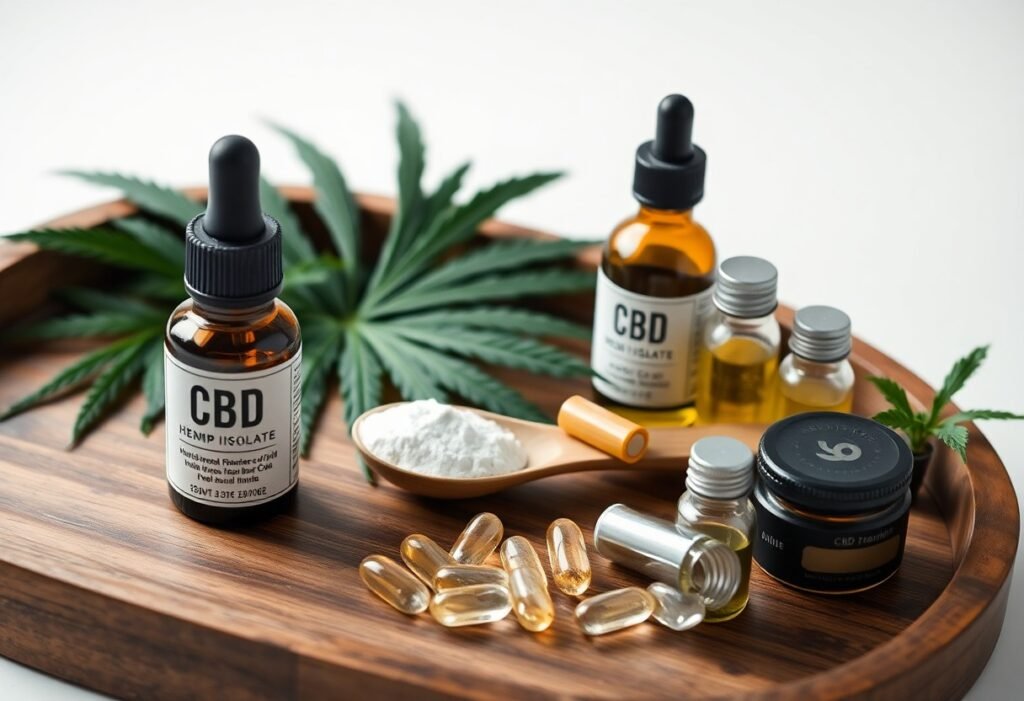
CBD isolate appears as a white crystalline powder, containing 99% pure CBD with no other plant materials. It suits those who want complete control over their dosage or who undergo regular drug testing. You can mix it into foods, beverages, or capsules without altering flavor significantly.
Manufacturers create isolate through additional refinement of hemp extract, removing all oils, waxes, and secondary cannabinoids. This form often appeals to beginners experimenting with CBD for the first time due to its neutral taste and straightforward labeling. A nurse in Denver uses a quarter-teaspoon daily in her morning smoothie, appreciating the consistency across batches.
Ways to Take It
Drops Under the Tongue
Administering CBD oil sublingually involves placing a few drops under your tongue and holding them there for 30 to 60 seconds before swallowing. This method allows the compound to enter the bloodstream directly through the mucous membranes, bypassing the digestive system. Most people find this approach fast-acting compared to oral ingestion, with effects typically noticeable within 15 to 30 minutes. A dropper included in the bottle makes dosing precise and repeatable, especially when starting out.
Things You Eat
Edible forms of CBD, such as gummies, capsules, and infused foods, offer a discreet and convenient option. Once consumed, the compound travels through the digestive tract and is processed by the liver, which delays the onset of effects to about 45 minutes or more. The experience tends to last longer than sublingual use, often extending to four to six hours. A mid-sized SaaS firm employee might choose a CBD gummy at lunch to manage afternoon stress without midday drowsiness.
When CBD is ingested, its bioavailability decreases due to first-pass metabolism in the liver, meaning less of the compound reaches circulation compared to other methods. However, pre-dosed edibles eliminate guesswork and are easier to incorporate into daily routines. Chocolate bars, honey, and even protein powders now come infused with CBD, giving you flexibility in how you include it in your diet.
The Right Amount
Start with Little
Begin with the lowest suggested dose, especially if you’re new to CBD. A typical starting point is 5 to 10 milligrams once or twice daily, enough to let your body adjust without overwhelming your system. A mid-sized SaaS firm’s wellness pilot found that employees who started low reported fewer instances of drowsiness or mild nausea.
Watch and Wait
Observe how your body responds over three to five days before increasing the amount. Changes in sleep, mood, or discomfort levels offer real-time feedback on effectiveness. Some notice subtle shifts within hours, while others see patterns emerge over weeks.
Tracking your experience in a simple journal helps identify trends tied to dosage timing and lifestyle factors. One user noted improved evening relaxation only after maintaining a consistent 10mg dose for six nights, highlighting the value of patience and consistency.
The Law and the Label
Rules of the Land
Federal law permits hemp-derived CBD containing no more than 0.3% THC by dry weight, a threshold established under the 2018 Farm Bill. State regulations vary widely, with some allowing unrestricted sales while others impose strict limits on possession, formulation, or retail channels. You may legally purchase CBD online in many areas, but local laws could restrict delivery or in-person sales. Always verify your state’s current stance before placing an order or carrying products across state lines.
Testing for Truth
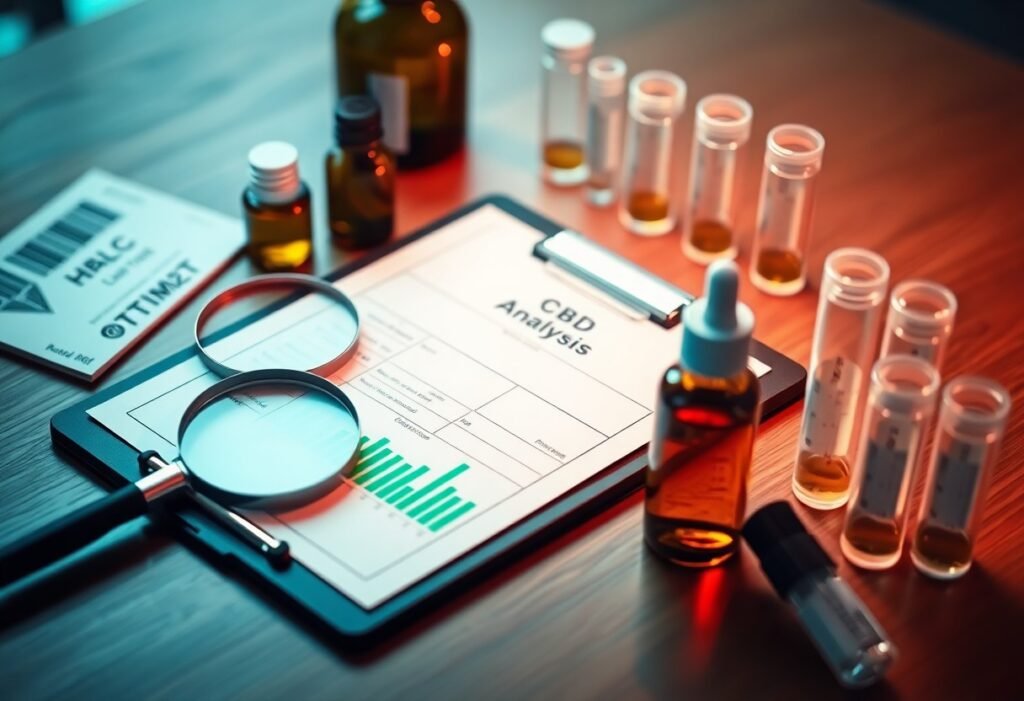
Reputable brands provide third-party lab reports, often called certificates of analysis, accessible via QR codes or website links. These documents confirm cannabinoid levels and screen for contaminants like heavy metals, pesticides, or residual solvents. You should expect to see results for CBD and THC content matching the label’s claims, along with a testing date within the past year. A mid-sized SaaS firm recently faced scrutiny for selling gummies with triple the labeled CBD amount, highlighting the risks of unverified products.
Independent labs typically test for consistency across batches, ensuring what you buy today matches prior purchases in potency and purity. Look for reports from ISO-certified facilities that detail methodology, such as high-performance liquid chromatography (HPLC), a standard for cannabinoid quantification. Some companies now include terpene profiles or microbial testing, offering deeper insight into product composition. Your ability to review these results transforms you from passive buyer to informed consumer.
Final words
Starting with CBD means making informed choices based on your body’s responses and the product’s quality. You may begin with a low concentration tincture, such as a 300mg bottle, and adjust gradually as you observe effects over several days. A mid-sized SaaS firm employee in a recent case study reported reduced evening tension after switching from a high-dose isolate to a full-spectrum formulation at half the potency.
You are responsible for verifying third-party lab results, understanding ingredient lists, and staying aware of state-specific regulations that can change without federal notice. Consistency in use, paired with attention to sourcing and dosage precision, leads to more reliable outcomes than sporadic or uninformed consumption. One user in Oregon found relief from discomfort only after switching from a gummy with inconsistent cannabinoid levels to a measured dropper-based oil.