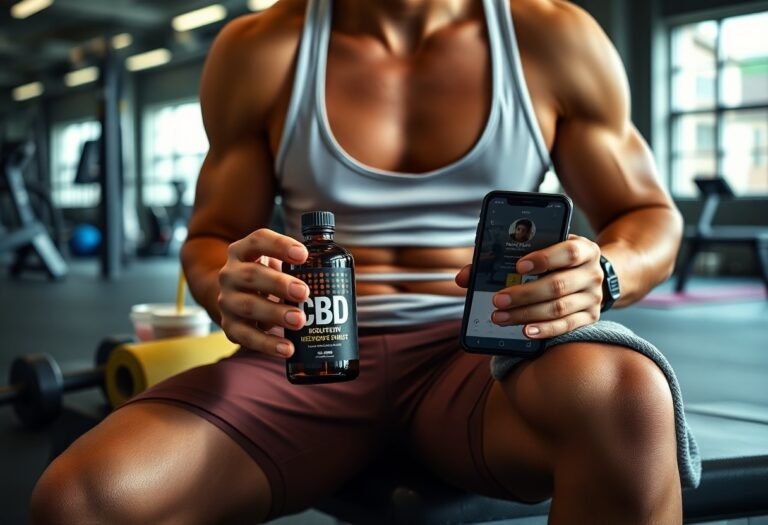
Over the past decade, an increasing number of athletes have turned to CBD as a tool for managing post-exercise discomfort and supporting recovery. You may be considering it too, especially with anecdotal reports from endurance runners, strength trainers, and team-sport professionals who integrate it into their routines. This shift reflects broader interest in plant-derived compounds that interact with the body’s regulatory systems. You’re likely aware of inflammation and muscle soreness as natural byproducts of intense training. What you may not know is how CBD’s properties could influence these processes without the side effects associated with traditional pain relievers. As research evolves, so does the conversation around legality, dosing, and delivery methods tailored to athletic demands.
The Physical Cost
Every intense training session inflicts microscopic damage on muscle fibers, a necessary stress that prompts adaptation and growth. You push through fatigue, knowing inflammation and soreness are part of the process, but unchecked, these responses can delay progress and increase injury risk. Endurance athletes, such as long-distance runners, often report prolonged joint discomfort, while strength trainers face acute muscle swelling after heavy lifts.
Recovery isn’t just about healing tissue; it involves restoring hormonal balance and reducing oxidative stress accumulated during exertion. A mid-sized SaaS firm sponsoring a cycling team observed fewer missed training days among athletes using consistent recovery protocols, including targeted supplementation. Your body’s ability to rebound directly influences performance gains over time.
The Nature of the Oil
CBD, or cannabidiol, is a non-intoxicating compound derived from the hemp plant, distinct from THC which produces psychoactive effects. When you use CBD, you’re engaging with a substance that interacts with your body’s endocannabinoid system, particularly receptors involved in regulating pain, inflammation, and sleep. Athletes often choose full-spectrum or broad-spectrum formulations, believing the presence of other plant compounds enhances effectiveness through the entourage effect.
Extraction methods matter: CO2 extraction is widely regarded as the industry standard, preserving purity and potency. You may encounter oils with added carrier fats like MCT oil, which improve bioavailability. A mid-sized SaaS firm’s wellness program introduced CBD tinctures and reported anecdotal improvements in employee recovery times, though individual responses vary significantly based on metabolism and dosage consistency.
The Necessity of Rest
Rest is not an interruption of progress but a required phase in athletic development. Your muscles repair, your nervous system recalibrates, and your energy stores replenish only when you are not pushing forward. Without sufficient downtime, even the most disciplined training regimen leads to diminished returns and increased injury risk.
Consider how elite marathoners structure their weeks: intense sessions alternate with full rest or active recovery days. You may notice sharper performance and fewer aches when aligning CBD use with these low-activity periods, allowing the compound time to interact with inflammation pathways without competing demands on your body’s resources.
Methods of the Craft
Choosing Your Form
You can consume CBD in several forms, each with distinct absorption rates and onset times. Tinctures placed under the tongue enter the bloodstream quickly, often within minutes, making them a preferred option for post-workout recovery. Capsules offer consistent dosing but take longer to act, typically 30 to 60 minutes, due to digestion. Topicals like creams or balms are ideal for targeting sore joints or inflamed muscles without systemic effects. A mid-sized SaaS firm sponsoring endurance athletes reported most of their team members favored tinctures after long trail runs.
Integrating Into Routine
Consistency matters more than timing when incorporating CBD into recovery. Daily use helps maintain stable levels in your system, potentially enhancing its modulating effect on inflammation. Some athletes blend tinctures into post-exercise smoothies, while others apply roll-on formulations immediately after training sessions. One ultramarathoner documented reduced morning stiffness after using a transdermal patch overnight for three consecutive race weeks. Your method should align with your schedule, sensitivity, and recovery goals.
The Rules of the Game
Compliance with anti-doping regulations is non-negotiable when incorporating CBD into your recovery routine. While the World Anti-Doping Agency (WADA) removed cannabidiol from its list of prohibited substances in 2018, other cannabinoids like THC remain banned in-competition, making product purity important. You must verify that any CBD product you use contains less than 0.3% THC to remain within regulatory limits.
Organizations such as the United States Anti-Doping Agency (USADA) caution athletes that many CBD products on the market are mislabeled or contaminated. A mid-sized SaaS firm sponsoring a professional cycling team recently pulled its endorsement after several riders tested positive due to tainted supplements. You are responsible for everything that enters your body, and third-party lab testing from reputable brands is the only way to ensure compliance. A certificate of analysis from an independent lab should accompany every product you consider.
The Timing of the Dose
Consuming CBD within the post-exercise window, typically 30 to 90 minutes after training, aligns with the body’s inflammatory response cycle. A mid-sized SaaS firm’s sponsored triathlon team reported integrating tinctures into their cool-down routine, noting reduced muscle tightness the following day when dosed immediately after sessions.
Some endurance athletes experiment with split dosing-taking a portion before training and the remainder after-to maintain consistent cannabinoid levels. A professional mountain biker, for example, uses a 15mg capsule pre-ride and another post-ride during recovery meals, finding this rhythm supports sustained comfort without sedation.
Final Words
You may find that integrating CBD into your recovery routine offers a measured way to manage post-exercise discomfort, especially when used consistently and with attention to product quality. A mid-sized SaaS firm sponsoring endurance athletes recently reported that over half of its team members use CBD oil within two hours of training, citing improved sleep and reduced muscle tightness. Your experience will depend on dosage, timing, and individual physiology, making personal experimentation necessary under informed guidance.
Regulatory clarity remains limited, so you must verify third-party lab results and avoid products with detectable THC if competing under anti-doping rules. The World Anti-Doping Agency permits CBD but prohibits other cannabinoids, leaving room for unintended violations. Choose isolates or broad-spectrum formulations from transparent brands to stay compliant while supporting your body’s recovery process.