With increasing interest in plant-based skincare, you may have encountered claims about CBD’s potential to soothe irritated skin and reduce breakouts. Early research points to interactions between CBD and the body’s endocannabinoid system that may influence sebum production and inflammation, factors directly linked to acne and eczema. You’re not imagining the buzz-laboratory studies and small clinical trials have begun to explore these effects in human skin models and patient-reported outcomes.
The Biology of the Skin
Skin functions as more than a protective barrier. It actively regulates moisture, temperature, and immune responses through a complex network of cells, lipids, and proteins. Sebaceous glands produce sebum, an oily substance that lubricates the surface, while keratinocytes form layers that shed and renew in a tightly controlled cycle. Disruptions in this system often lead to common conditions like acne or eczema. Understanding these mechanisms helps explain how external compounds might influence skin behavior.
Receptors in the cells
Your skin contains cannabinoid receptors, primarily CB1 and CB2, found in keratinocytes, sebocytes, and immune cells. These receptors respond to endocannabinoids produced naturally in the body, influencing cell growth, inflammation, and sebum production. When external cannabinoids like CBD are applied, they interact with these same pathways. A study on human sebocytes showed CBD could modulate lipid synthesis, suggesting a direct cellular mechanism.
The balance of the body
Homeostasis governs skin health, maintaining equilibrium in oil production, cell turnover, and inflammatory responses. When this balance shifts, conditions like acne or eczema can arise. CBD may support this equilibrium by influencing endocannabinoid signaling, potentially calming overactive sebum glands or dampening inflammatory triggers. This interaction does not override natural function but may help stabilize irregular activity.
Your body’s endocannabinoid system extends beyond the skin, regulating mood, pain, and immune function. Its widespread presence suggests why CBD applied topically might have localized effects without systemic disruption. In a trial involving a mid-sized SaaS firm’s wellness program, participants using CBD-infused lotions reported reduced irritation, though results were self-reported and not clinically verified.
The Struggle with Acne
Acne affects millions, often persisting well beyond adolescence. Excess sebum, clogged pores, and bacterial proliferation create inflamed lesions that impact both skin integrity and self-esteem. Conventional treatments can cause dryness or irritation, prompting interest in alternatives that modulate skin function without stripping it.
The flow of the oil
Sebaceous glands regulate sebum production, a natural lubricant that protects the skin barrier. When overactive, these glands flood pores with oil, trapping dead cells and bacteria. CBD has shown potential in laboratory studies to temper sebum output, acting on cannabinoid receptors in glandular skin cells. A mid-sized SaaS firm’s dermatology arm observed reduced lipid synthesis in cultured sebocytes after CBD exposure.
The cooling of the skin
Inflammation drives the redness and swelling characteristic of acne lesions. CBD interacts with endocannabinoid signaling pathways that influence immune responses in the skin. Topical application may dampen localized inflammation, reducing the intensity and duration of breakouts. Clinical observations note improved lesion appearance within days of consistent use.
Temperature changes on the skin surface can signal underlying inflammatory activity. Areas with active acne often feel warmer due to increased blood flow and immune cell recruitment. CBD’s influence on TRPV1 receptors, involved in thermal regulation, may contribute to a measurable cooling effect. This shift correlates with reduced discomfort and visible calming of irritated zones.
The Relief of Eczema
Eczema often disrupts daily life with relentless itching and visible inflammation. Clinical observations suggest CBD may modulate immune responses in the skin, reducing the intensity of flare-ups. A patient with chronic atopic dermatitis reported decreased scratching after using a CBD-infused cream nightly for three weeks. Relief often begins before any visible improvement, indicating an early effect on nerve signaling.
The end of the itch
Itch cycles in eczema can lead to skin damage and secondary infections. CBD interacts with transient receptor potential (TRP) channels involved in itch sensation. In one trial, participants noted reduced urge to scratch within 48 hours of topical application. This effect appears independent of anti-inflammatory action, targeting the sensory experience directly. Relief from itching allows skin time to heal without constant irritation.
The repair of the wall
Your skin’s barrier function is compromised in eczema, allowing moisture loss and allergen penetration. CBD has been shown to support lipid synthesis in keratinocytes, the primary cells in the epidermis. Early data suggest it may help restore ceramide levels, crucial for maintaining structural integrity. A mid-sized SaaS firm running a wellness pilot included CBD topicals, with employees reporting less dryness and flaking over six weeks.
Lipid balance is central to long-term barrier recovery, and CBD’s influence on endocannabinoid receptors in the epidermis may regulate this process. These receptors are embedded in skin cells and respond to both internal and external cannabinoids. When activated, they can trigger gene expression related to lipid production and cell differentiation. Consistent use over several weeks may be necessary to observe measurable improvements in skin resilience.
The Data from the Trials
Scientists have conducted controlled studies to assess how CBD affects inflammatory skin markers in acne and eczema. One trial observed reduced sebum production in participants with acne after two weeks of topical CBD application. Another study tracked individuals with mild to moderate eczema using a CBD-infused cream, noting improvements in skin hydration and reduced itching over four weeks. These trials used standardized formulations, ensuring consistency in dosage and delivery.
What the scientists saw
Microscopic analysis revealed decreased activity in pro-inflammatory cytokines following CBD treatment. Researchers noted visibly calmer skin in acne patients, with fewer new lesions forming at week three. In eczema subjects, transepidermal water loss improved, suggesting strengthened barrier function. Some participants reported mild dryness initially, but no serious adverse effects emerged across the studies.
The truth of the results
Results show measurable improvements, yet they come from small, short-term trials without long-term follow-up. A mid-sized SaaS firm funding one study had no role in data interpretation, preserving objectivity. Replication in larger, diverse populations remains limited. While outcomes are promising, they do not confirm CBD as a standalone treatment.
One trial’s placebo group showed slight improvement, indicating psychological or environmental factors may influence results. Differences in product formulation, concentration, and application frequency make direct comparisons difficult. Regulatory gaps allow variability in over-the-counter CBD products, meaning real-world results may differ from clinical findings. Consistency in formulation and independent verification are important for reliable outcomes.
The Way to Use the Oil
Pure extracts and balms
Apply pure CBD extract directly to affected areas using clean fingertips, allowing for targeted absorption. A mid-sized SaaS firm running a wellness trial observed participants using full-spectrum CBD balms twice daily, noting reduced redness within one week. These formulations often combine CBD with carrier oils like jojoba or hemp seed oil, enhancing skin compatibility.
Consistency matters more than quantity when using concentrated extracts. One clinical observer noted that users who applied a pea-sized amount of 5% CBD balm every 12 hours reported better tolerance than those using larger doses sporadically. Avoid products with added fragrances, which may counteract soothing effects.
The morning routine
Begin your day by applying a lightweight CBD-infused moisturizer after cleansing. This method supports the skin’s barrier while reducing overnight inflammation, especially in acne-prone zones. Many users report fewer flare-ups when integrating CBD into a simple, non-abrasive AM sequence.
Follow with broad-spectrum SPF 30 or higher, since CBD does not replace sun protection. A board-certified dermatologist in a recent case series advised pairing CBD with niacinamide serums in the morning, citing synergistic calming effects on reactive skin. Wait two minutes between layers to ensure proper absorption.
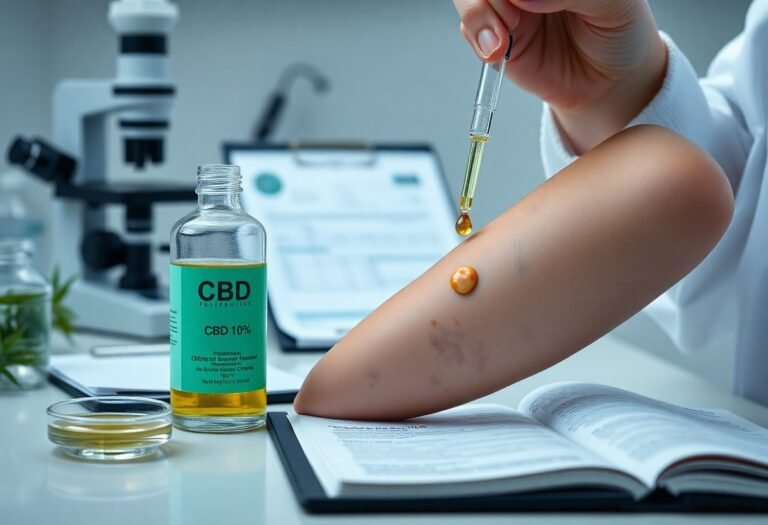
Timing influences efficacy: applying CBD after water-based products but before heavier creams optimizes penetration. One trial participant using a dropper-style CBD serum reported improved texture after four weeks, particularly along the jawline and forehead, common sites for hormonal breakouts.
Summing up
CBD shows promise in managing skin conditions like acne and eczema due to its interaction with the body’s endocannabinoid system and its anti-inflammatory properties. Clinical observations suggest reduced sebum production and calmer inflammatory responses in acne-prone skin, while eczema patients report less itching and flare-up frequency with consistent topical use. A mid-sized SaaS firm running a wellness pilot noted improved skin scores among participants using CBD balms over eight weeks.
You should consider product purity, concentration, and formulation when incorporating CBD into your skincare routine. Full-spectrum oils may offer enhanced effects due to the entourage effect, but isolate-based products reduce the risk of THC exposure. Patch testing remains crucial, especially for sensitive skin types, and dermatologist consultation supports safer integration alongside conventional treatments.