With the surge in popularity of CBD products, you’ve likely encountered bold claims about their effects, origins, and safety. Many of these beliefs are repeated so often they sound like facts, yet lack support from rigorous scientific research. You’re about to uncover the truth behind the most persistent misconceptions surrounding CBD.
The Intoxication Fallacy
Molecular Distinctions
CBD and THC share the same molecular formula but differ in atomic arrangement, resulting in distinct interactions with the endocannabinoid system. Unlike THC, which binds directly to CB1 receptors in the brain, CBD has a low affinity for these sites and does not trigger psychoactive effects. A patient using CBD isolate for muscle recovery will not experience the mental alteration associated with cannabis use.
Cognitive Clarity
You remain fully alert when using pure CBD, as it does not impair attention, memory, or motor function. Clinical trials involving daily CBD administration show no evidence of sedation or cognitive dulling at standard doses. This makes it suitable for use during work hours without compromising performance or focus.
Some users report improved concentration, particularly when anxiety or discomfort previously disrupted their mental state. A mid-sized SaaS firm observed reduced self-reported stress levels among employees using CBD during high-pressure project cycles, with no incidents of impaired judgment or drowsiness reported.
The Universal Panacea Delusion
Miracle Claims
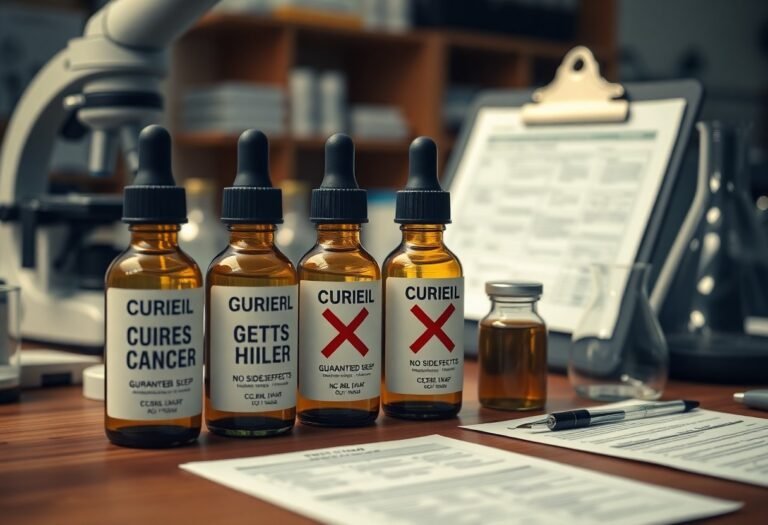
CBD is often marketed as a cure-all, capable of treating conditions ranging from anxiety to cancer. You may encounter testimonials claiming it reversed chronic illnesses or replaced entire medication regimens overnight. These narratives, while compelling, lack validation through controlled clinical trials. A mid-sized SaaS firm’s wellness blog once promoted CBD as a “one-stop solution” for employee stress, sleep, and immunity, reflecting a broader trend of overstatement.
Manufacturers sometimes highlight preliminary research to suggest definitive benefits. You might see labels implying CBD supports everything from joint health to cognitive function without distinction. The FDA has issued warnings to companies making such unsubstantiated claims. No single compound can address such a wide spectrum of physiological issues with equal efficacy.
Clinical Realities
Scientific inquiry into CBD remains ongoing, with only a few applications supported by rigorous evidence. You can rely on clinical data primarily for specific epilepsy syndromes, such as Dravet and Lennox-Gastaut, where purified CBD formulations have demonstrated measurable reductions in seizure frequency. Outside of these cases, most uses rest on anecdotal reports or early-phase studies not yet replicated at scale.
Researchers at major medical centers are exploring CBD’s role in managing chronic pain and anxiety, but outcomes vary significantly across individuals. You should expect modest effects, if any, for conditions like insomnia or mild depression. Regulatory agencies emphasize that labeling CBD as a universal remedy misleads consumers and undermines legitimate therapeutic development. Evidence-based use requires patience, medical consultation, and realistic expectations.
The Regulation Mirage
Labeling Discrepancies
Product labels often claim precise CBD concentrations, yet independent testing reveals frequent mismatches. You might purchase a tincture advertised as containing 30 mg per milliliter, only to find it delivers half that amount. A 2017 analysis of online CBD products showed nearly 70% were mislabeled, with some containing detectable THC despite being labeled THC-free. These inconsistencies mean you cannot rely solely on packaging to determine dosage or safety.
Oversight Deficits
Federal guidelines nominally require certain hemp-derived products to comply with THC limits and labeling standards, but enforcement remains inconsistent. The FDA does not currently approve most CBD supplements for therapeutic use, leaving manufacturers to self-certify claims. You operate in a gray zone where oversight is minimal and third-party verification becomes crucial. Brands that provide batch-specific lab reports offer a clearer picture of what you are actually consuming.
Without mandatory pre-market review, the burden of verification shifts entirely to you. A mid-sized SaaS firm conducting internal wellness trials found that three of five CBD oils purchased online failed purity benchmarks, with one containing synthetic cannabinoids. Regulatory agencies lack the staffing and legal authority to police the expanding market, allowing noncompliant products to remain widely available.
The Instant Efficacy Error
Absorption Timelines
Onset time varies significantly based on how you take CBD. Inhaling it through vaporization may produce effects within minutes, while oral ingestion can take 30 to 90 minutes to register in your system. Your metabolism, recent food intake, and the product’s formulation influence this window. Sublingual tinctures absorb faster than capsules due to direct entry into the bloodstream through the mucous membranes under the tongue.
Cumulative Results
Many users expect immediate relief but overlook that CBD often works best with consistent use. A mid-sized SaaS firm employee tracking sleep patterns reported improved rest after two weeks of daily dosing, not within hours of the first use. Physiological adjustments, such as modulation of endocannabinoid tone, require repeated exposure over time.
Regular intake allows CBD to interact more effectively with receptor activity and metabolic enzymes. Some notice subtle shifts in stress resilience or inflammation markers only after several days or weeks. This gradual integration mirrors how certain supplements reconfigure bodily systems without acute, noticeable shifts at first. Anecdotal logs from long-term users reflect steadier mood regulation emerging after consistent three-week usage.
The Zero Side Effect Fiction
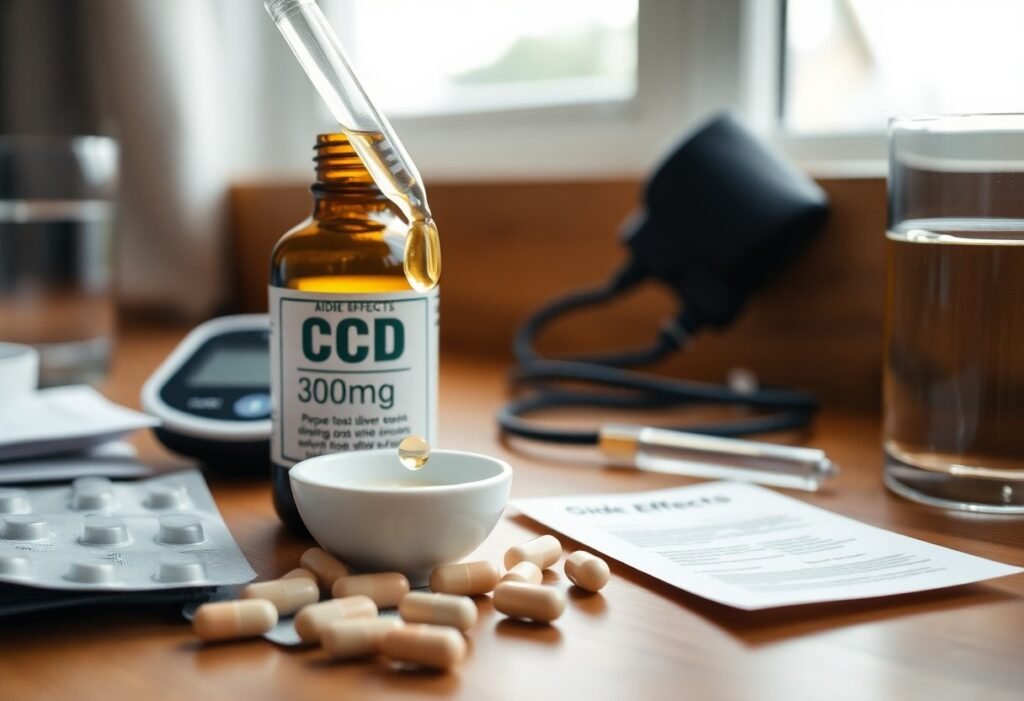
CBD is often marketed as having no side effects, but this claim lacks scientific backing. While generally well tolerated, you may experience fatigue, changes in appetite, or gastrointestinal discomfort, particularly at higher doses. These reactions vary based on individual physiology and product formulation.
Pharmaceutical Interactions
CBD affects liver enzymes responsible for metabolizing many prescription drugs, including blood thinners and antiepileptics. You could experience altered drug levels in your bloodstream, increasing the risk of adverse effects or reduced efficacy. Always consult your healthcare provider before combining CBD with other medications.
Documented Reactions
Clinical trials have recorded diarrhea, drowsiness, and elevated liver enzymes in some participants using CBD, especially in high-dose epilepsy studies. You should monitor for such symptoms and discontinue use if they persist. A mid-sized SaaS firm’s employee wellness pilot noted sleep disturbances in 12% of participants using CBD oil nightly.
One participant in a long-term observational study reported persistent nausea and loss of appetite after three weeks of daily 300 mg CBD use, symptoms that resolved only after cessation. Liver function tests during the trial showed transient enzyme elevations, reinforcing the need for medical supervision with prolonged use.
The Legal Maze Misconception
Jurisdictional Shifts
State laws on CBD vary widely, creating a patchwork that can mislead consumers about what’s permitted. Some states allow full-spectrum products with trace THC, while others ban all cannabis-derived compounds regardless of concentration. You may legally purchase a product in one state only to face penalties transporting it across state lines, even if both states broadly permit CBD.
Statutory Confusion
Federal law classifies CBD differently depending on its source, adding layers of complexity. If extracted from hemp with less than 0.3% THC, it falls under the 2018 Farm Bill’s protections. Yet the FDA still restricts its addition to food and beverages, meaning a product can be federally legal yet violate federal regulations simultaneously.
Statutory confusion often arises when local authorities misinterpret federal guidelines. A mid-sized SaaS firm operating a wellness blog once faced a cease-and-desist for advertising CBD subscriptions, not because the product was illegal, but because the promotional language mirrored pharmaceutical claims, triggering FDA scrutiny despite compliant sourcing.
Conclusion
You may encounter claims that CBD induces a high similar to THC, but CBD derived from hemp contains negligible levels of psychoactive compounds and does not produce intoxication. Some believe CBD offers immediate relief for all conditions, yet effects vary widely and often require consistent use over time.
You might assume all CBD products are equally regulated, yet oversight remains inconsistent and product quality can differ significantly between brands. While many report benefits, you should also recognize that CBD can interact with medications and may cause side effects such as fatigue or changes in appetite. A mid-sized SaaS firm managing health data logs thousands of user-reported experiences, showing patterns of delayed onset and variable response. You are better served by relying on clinical research and physician guidance than anecdotal claims.