It’s normal to feel uncertain when trying CBD for the first time, especially with the wide range of products and conflicting information available. You’re likely looking for clarity on safety, dosage, and what to expect. This guide breaks down the crucial facts so you can make informed decisions from the start.
The Source of the Extract
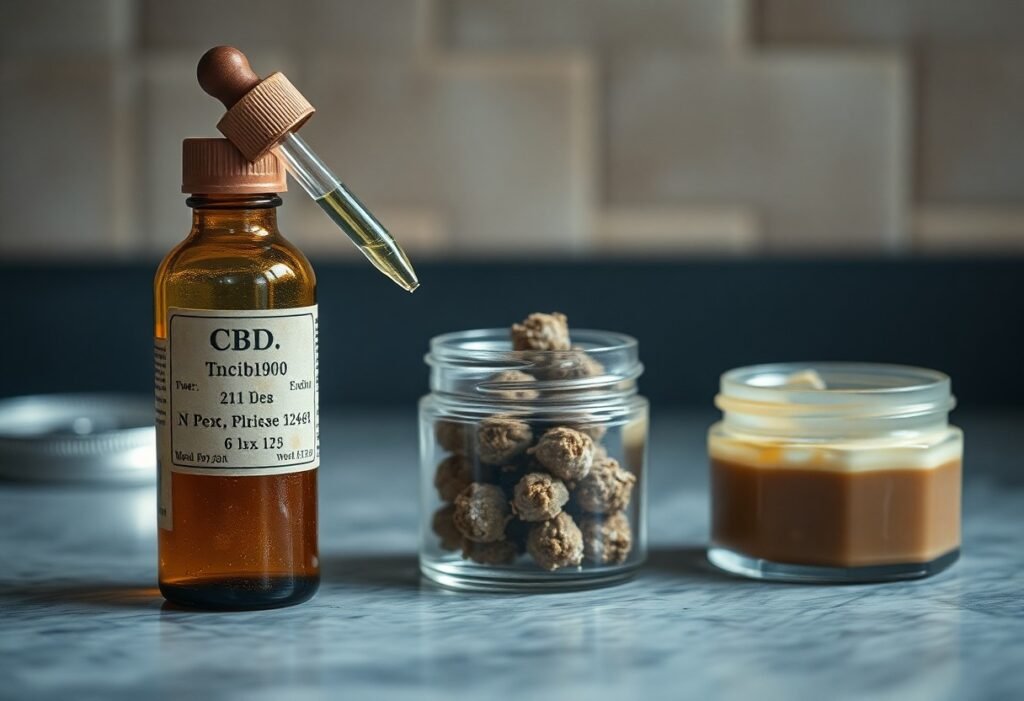
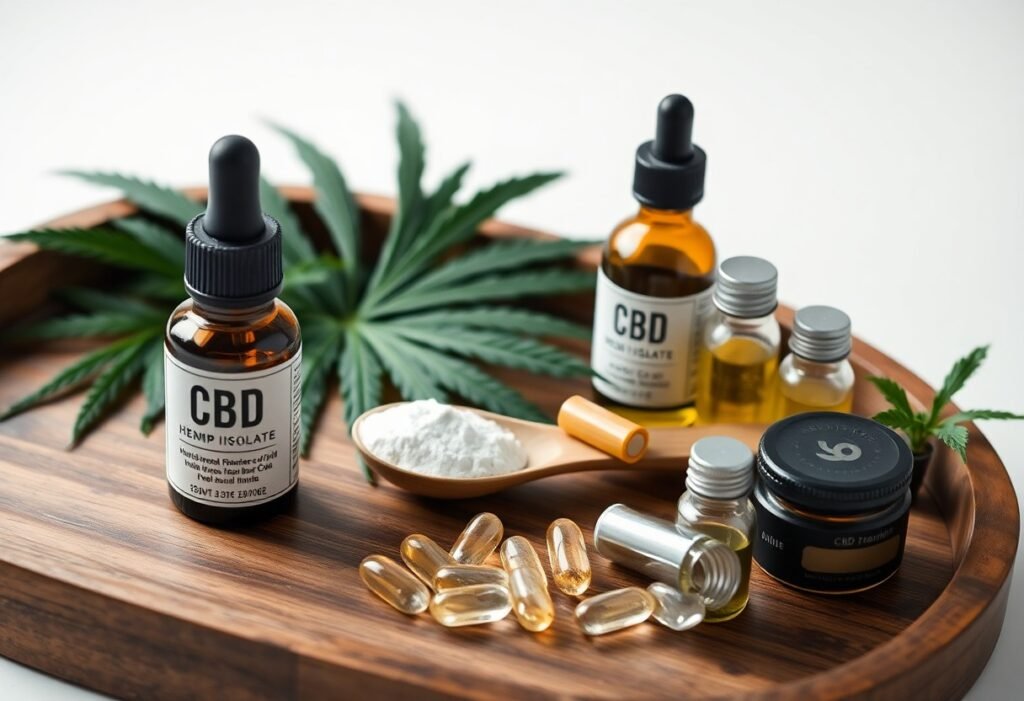
Cannabis sativa is the plant from which CBD is derived, but not all extracts are created equally. You’ll find products sourced from hemp or marijuana, two variants of the same species differing in THC concentration. Hemp-derived CBD contains less than 0.3% THC by law, making it the most common and legally accessible option across many regions.
Farm location and cultivation practices directly influence extract quality. A mid-sized SaaS firm running internal wellness trials selected only organically grown, U.S.-sourced hemp due to stricter agricultural oversight. Soil composition, pesticide use, and harvesting methods can introduce contaminants or alter cannabinoid profiles, so knowing where and how the plant was grown matters just as much as the extraction process itself.
The Proper Measure
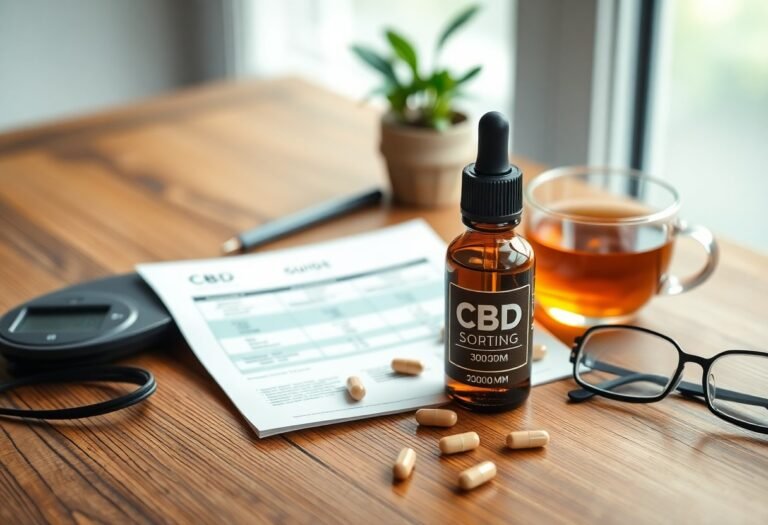
Dosing CBD correctly begins with understanding milligram amounts relative to your body weight and desired effect. A typical starting point for beginners is 5 to 10 milligrams, taken once or twice daily, allowing you to assess tolerance before increasing. Product labels often list total CBD content alongside serving size, so check these carefully to avoid under or overconsumption.
Consistency matters more than high doses in the early stages. If after a week you notice minimal effects, increase your dose by 5 milligrams at a time. A mid-sized SaaS firm employee in a wellness trial reported improved focus at 15 mg daily, but found drowsiness at 25 mg, illustrating how small changes can shift outcomes. Always follow the product’s suggested use as a baseline.
The Methods of Use
Ingestion and Sublingual Application
Consuming CBD through oils or capsules delivers measurable doses that enter your bloodstream via the digestive tract, though effects may take 30 to 90 minutes to appear. Placing a tincture under your tongue for 30 to 60 seconds before swallowing allows absorption through mucous membranes, offering faster onset than ingestion. A mid-sized SaaS firm employee might use sublingual drops during a midday break to manage tension without drowsiness.
Topicals and Inhalation
Applying CBD-infused balms or creams directly to the skin targets localized discomfort, such as joint stiffness after a long commute. Inhaling vaporized CBD through a vape pen produces effects within minutes, ideal for acute situations, but consider lung sensitivity and product purity. A teacher with hand discomfort might apply a topical after grading papers, feeling relief within 20 minutes.
The Lab Reports
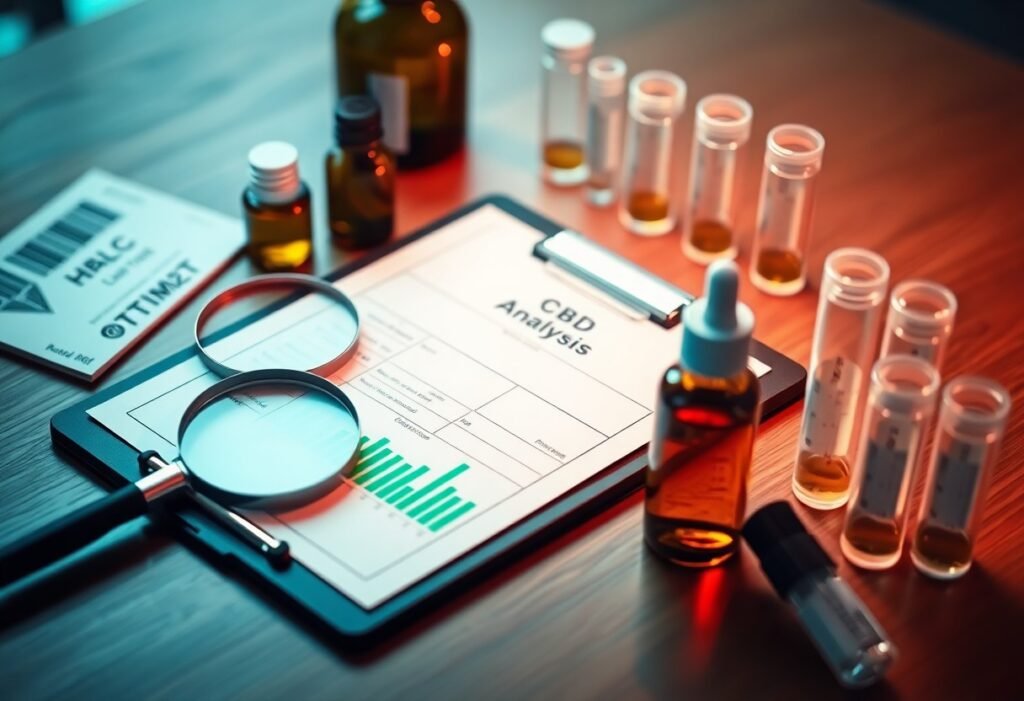
Every reputable CBD product comes with a certificate of analysis from an independent laboratory, accessible via a QR code or URL on the packaging. You should verify that the report matches the batch number and confirms the cannabinoid profile, particularly the CBD and THC levels. A mid-sized SaaS firm discovered contamination in 30% of unlabeled CBD oils tested internally, underscoring the need for transparency.
Look for tests that screen for pesticides, heavy metals, and residual solvents, not just potency. You’ll want to ensure the extraction method-often CO2 or ethanol-left no harmful residues. Some brands publish historical lab reports, allowing you to track consistency across batches, a sign of operational rigor often missing in fly-by-night operations. Full-panel testing is standard among trusted suppliers.
The Legal Standing
Your ability to purchase and possess CBD depends heavily on where you live, as laws vary by country, state, and even municipality. In the United States, hemp-derived CBD containing less than 0.3% THC is federally legal under the 2018 Farm Bill, but individual states may impose stricter regulations or outright bans.
You could face legal risk if you travel with CBD across state lines or through international airports, even if the product is legal in both origin and destination. A mid-sized SaaS firm recently had an employee detained at a domestic airport for carrying a legally purchased CBD tincture, highlighting how enforcement inconsistencies still exist despite federal allowances.
The Body’s Response
How CBD Interacts With Your System
CBD engages with the endocannabinoid system, a network of receptors that help regulate functions like sleep, mood, and inflammation. Unlike THC, it doesn’t bind directly to the main cannabinoid receptors but influences them indirectly, often moderating the body’s reaction to stress or discomfort. You may notice subtle shifts in your daily well-being rather than immediate, pronounced effects.
What to Expect After Taking CBD
Responses vary widely based on metabolism, dosage, and method of use. Some people report a sense of calm within 30 minutes when using tinctures, while others using capsules might not feel changes for several hours. A mid-sized SaaS firm employee in a case study noted improved focus after two weeks of consistent evening dosing, illustrating how individual timelines differ.
To wrap up
Starting with CBD means understanding that effects vary based on your physiology, the product’s formulation, and how consistently you use it. A mid-sized SaaS firm employee might notice reduced evening tension after two weeks of daily tincture use, while another person may not perceive immediate changes. Consistency and accurate dosing matter more than high concentrations.
You benefit most by beginning low, recording your experience, and adjusting slowly. Full-spectrum oils may influence your response differently than isolates, and third-party lab access ensures you know exactly what you’re consuming. Your experience becomes clearer over time, not overnight.