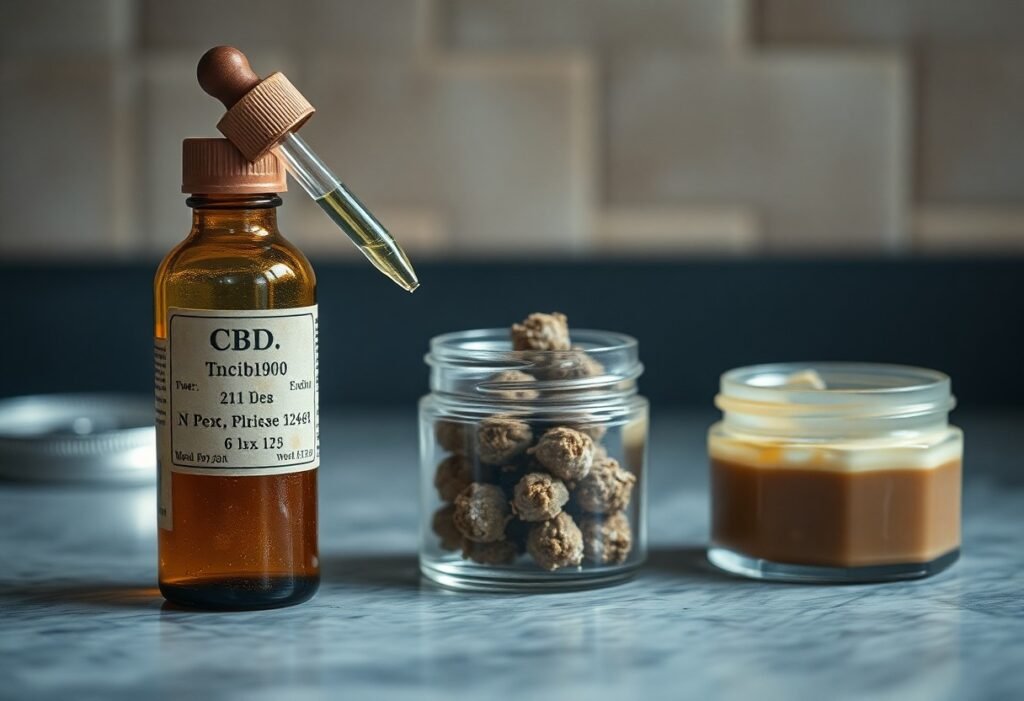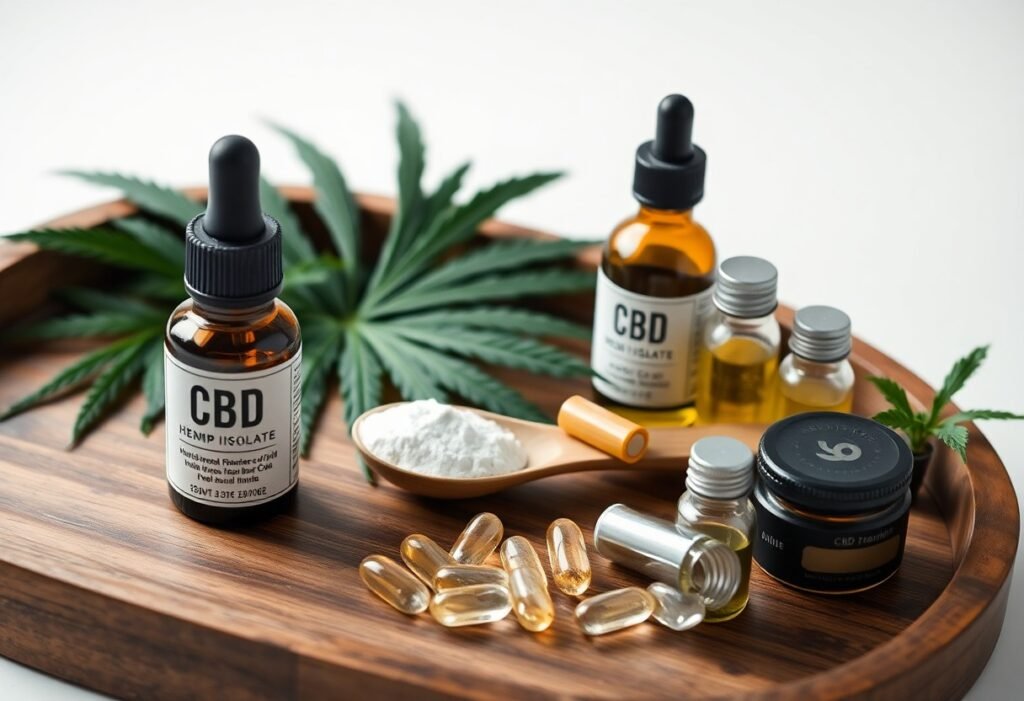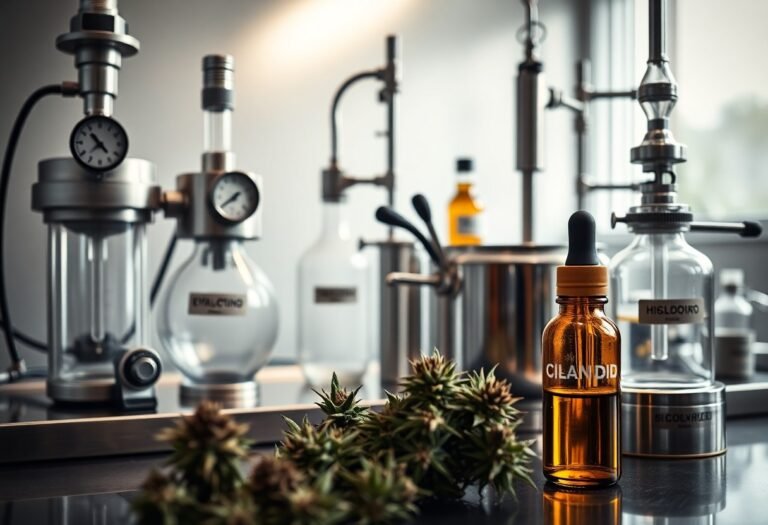
Just one drop of CBD oil can contain compounds drawn from hemp using methods that vary widely in precision and purity. You encounter these extracts in tinctures, gummies, and topicals, each shaped by how the CBD was separated from the plant. Understanding the techniques behind them helps you make informed choices about quality, safety, and effectiveness.
The Solvent Path
Solvent-based extraction relies on liquid agents to draw CBD from hemp plant material. Ethanol, isopropyl alcohol, and other solvents pass through biomass, dissolving cannabinoids and terpenes. Once filtered, the solution evaporates, leaving behind concentrated CBD oil. This method suits large-scale operations due to its efficiency and relatively low cost.
Residual solvent levels demand careful monitoring, as incomplete removal affects product safety. Regulatory standards require final products to meet strict purity thresholds. A mid-sized SaaS firm using ethanol extraction reported needing multiple distillation passes to meet compliance, highlighting the balance between yield and cleanliness.
Ethanol Wash
Ethanol washes are among the most common solvent techniques, valued for their ability to extract a broad spectrum of compounds. Cold ethanol minimizes chlorophyll pull, reducing bitterness in the final product. You can reuse the solvent after distillation, cutting operational expenses over time.
Food-grade ethanol ensures compatibility with consumable goods, making it a preferred choice for tinctures and capsules. Some producers combine ethanol with winterization to further refine the extract. This step removes unwanted lipids and waxes, resulting in a cleaner, more stable oil.
Gas Hazards
Hydrocarbon solvents like butane and propane pose serious safety risks due to their flammability. These gases require closed-loop systems and explosion-proof equipment to prevent accidents. You must handle them in controlled environments with proper ventilation and monitoring.
A California facility experienced a partial explosion in 2017 during butane extraction, underscoring the dangers of improper setup. Gas leaks can accumulate quickly, especially in poorly ventilated spaces. Strict adherence to OSHA and NFPA codes is non-negotiable when working with volatile solvents.
Training and certification for operators reduce the likelihood of human error in high-pressure environments. Automated pressure release valves and gas detectors add layers of protection, ensuring rapid response to anomalies. These safeguards are standard in compliant facilities using hydrocarbon methods.
The Pressure Method
Supercritical CO₂ extraction uses carbon dioxide under high pressure and temperature to isolate CBD from hemp. The gas becomes a fluid with unique solvating properties, efficiently pulling cannabinoids without leaving toxic residues. A mid-sized SaaS firm monitoring extraction efficiency noted consistent yields when pressure remained stable across batches.
High Fluid
Supercritical CO₂ operates above 31°C and 73 atmospheres, turning into a dense fluid that penetrates plant material thoroughly. This state allows it to dissolve CBD and other compounds selectively based on pressure adjustments. Labs targeting broad-spectrum extracts often fine-tune these settings to include terpenes while excluding chlorophyll.
Cold Liquid
Liquid CO₂ extraction runs at lower temperatures and pressures, preserving heat-sensitive terpenes and flavonoids. The process uses refrigerated CO₂ in its liquid phase, gently drawing out delicate compounds without degradation. This method suits producers emphasizing aroma and flavor in their final product.
Cold liquid extraction requires precise temperature control to maintain CO₂ in a liquid state, typically below 31°C and at moderate pressure. While less efficient at pulling CBD than supercritical methods, it excels in preserving volatile compounds like myrcene and limonene, which contribute to the entourage effect. Some artisanal brands use this approach exclusively for premium full-spectrum oils.
The Oil Infusion
Infusing CBD into oil offers a simple, accessible method for home extraction without specialized equipment. You combine plant material with a carrier oil like olive or coconut, then apply gentle heat over time to draw out cannabinoids. The resulting infusion retains a full spectrum of compounds, including terpenes and flavonoids, preserving the plant’s natural profile.
Olive Base
Olive oil serves as a popular choice due to its stability and health benefits. You heat finely ground hemp flower with extra virgin olive oil at low temperatures, typically below 240°F, to avoid degradation. This base not only extracts CBD effectively but also creates a consumable product ready for use in cooking or as a tincture, though it requires refrigeration and has a shorter shelf life.
Slow Heat
Applying heat gradually over several hours increases cannabinoid solubility in the oil. You maintain a consistent, low temperature in an oven or slow cooker, allowing the mixture to decarboxylate and extract without scorching. This method emphasizes patience, as rushed heating reduces potency and alters flavor.
Extended heating periods, often between two to four hours, ensure thorough decarboxylation of CBDA into active CBD. You monitor the mixture closely, stirring occasionally to promote even extraction. A mid-sized SaaS firm managing lab data found that batches heated for three hours yielded more consistent cannabinoid distribution than those processed for shorter durations.
The Steam Process
Hot Vapor
Heat transforms moisture into vapor that passes through plant material, releasing cannabinoids without solvents. You rely on precise temperature control to avoid degrading sensitive compounds during this phase. The vapor carries aromatic terpenes and CBD into a cooling system where condensation occurs. A mid-sized SaaS firm monitoring extraction efficiency noted improved terpene retention using this method over ethanol-based alternatives.
Water Clouds
Steam condenses into liquid form, separating from the imperative oils and cannabinoids. You collect the water and oil layers, then isolate the CBD-rich fraction through decanting. This technique preserves heat-sensitive compounds better than direct boiling methods.
Water clouds form at specific temperature and pressure thresholds, allowing you to fine-tune collection based on environmental conditions inside the chamber. Adjusting airflow speed influences droplet size and separation efficiency, directly affecting final extract clarity and yield. A Colorado-based processor reported fewer contaminants when using filtered steam in repeated batches.
The Winter Clean
Winterization removes unwanted fats, waxes, and lipids from crude CBD extract to improve purity. You achieve this by dissolving the extract in ethanol and freezing the mixture for 24 to 48 hours. Cold temperatures cause lipids to solidify, making them easier to filter out. A mid-sized SaaS firm using ethanol-based systems reported cleaner output with minimal equipment investment.
Fat Removal
Fat removal ensures a smoother final product, especially for vape or tincture applications. You mix the crude oil with high-proof alcohol and chill it to subzero temperatures. Solidified fats are then separated using filter paper or a Buchner funnel. Without this step, residual lipids could clog cartridges or alter dosing accuracy.
Cold Alcohol
Cold alcohol acts as a solvent that selectively dissolves cannabinoids while leaving fats behind. You must keep the ethanol at -20°C or lower to maximize lipid precipitation. The method works best when using food-grade ethanol and slow, controlled stirring to avoid emulsification.
Using cold alcohol requires careful temperature control and post-process evaporation. You’ll need a rotary evaporator to remove the ethanol efficiently and safely. One Colorado processor reduced wax content by over 80% using a two-stage freezing technique with repeated filtration.
The Heat Change
Fire Activation
Heating raw cannabis plant material converts inactive cannabinoids into their active forms. When you expose the plant to controlled high temperatures, THCA becomes THC and CBDA transforms into CBD through decarboxylation. This chemical shift is crucial for unlocking the compound’s potential effects.
Decarboxylation typically occurs between 220°F and 245°F over a set duration. A mid-sized SaaS firm tracking extraction data found consistent temperature application improved potency by ensuring full activation without degrading sensitive compounds. Precision here directly influences the final product’s strength and reliability.
Raw Plant
Using unheated plant matter preserves cannabinoids in their acidic forms, such as CBDA and THCA. These compounds appear in juiced greens or tinctures made from fresh material. Some users seek these versions for their distinct interaction with the body’s systems.
Raw extracts do not produce the same effects as heated ones since they contain minimal active CBD or THC. Instead, they offer a different profile altogether, often marketed for wellness rather than psychoactivity. This method appeals to those prioritizing natural, minimally processed inputs.
Enzymes within the living plant also remain intact when no heat is applied, contributing to the extract’s biochemical complexity. Though less common in mainstream products, raw preparations are gaining attention among niche wellness communities focused on plant integrity and holistic intake.
Final words
Choosing the right CBD extraction method affects the purity, potency, and overall quality of the final product you consume. CO2 extraction delivers high concentrations of cannabinoids without residual solvents, making it a preferred choice for reputable manufacturers. Ethanol methods, while cost-effective, may pull unwanted plant compounds unless refined further through winterization. If you prioritize natural processing, olive oil infusion offers a safe at-home option, though with shorter shelf life. Your selection should balance safety, efficiency, and intended use.
Understanding these techniques empowers you to make informed decisions about the products you use. A mid-sized SaaS firm relying on transparent sourcing, for example, might highlight supercritical CO2 extraction in its labeling to build consumer trust. Steam distillation, though older, still appears in artisanal products despite lower yields. Each method carries trade-offs in equipment cost, scalability, and compound preservation. You benefit most by matching the extraction process to your desired cannabinoid profile and usage goals.