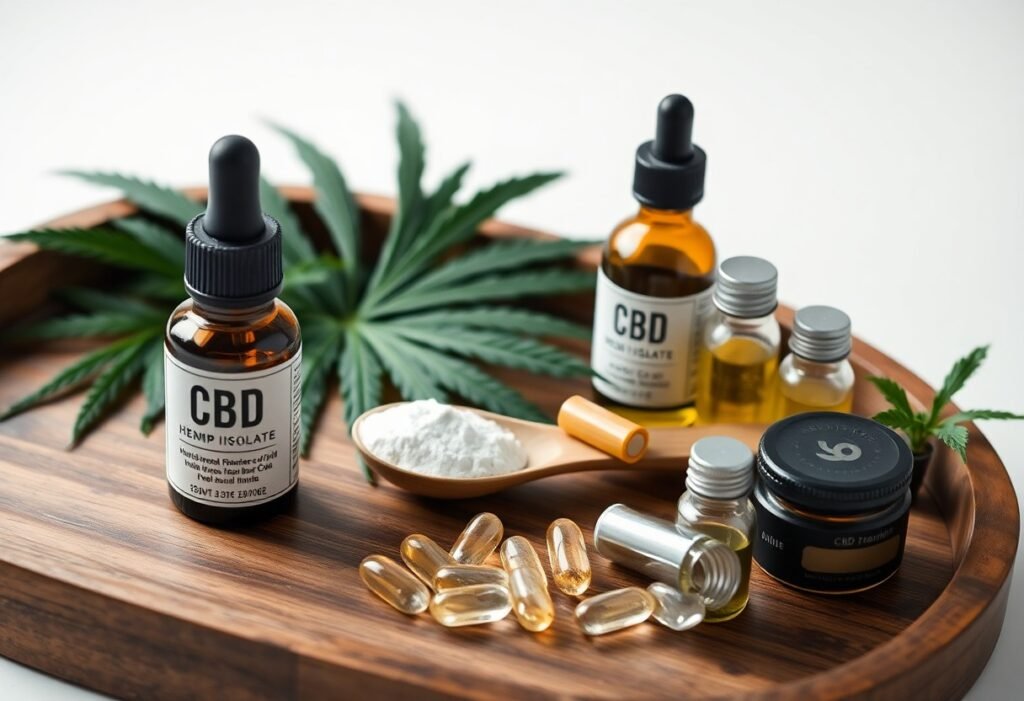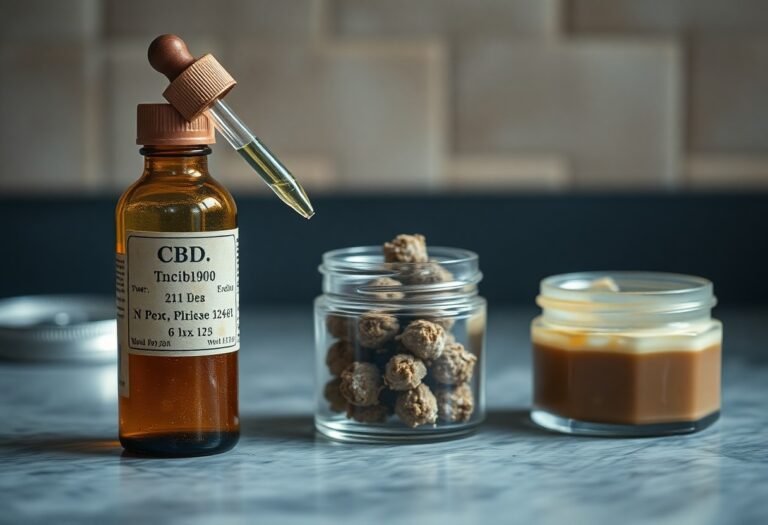

With so many people incorporating CBD into their daily wellness routines, knowing how long your product remains effective matters. You rely on consistent quality, but over time, even well-made CBD degrades. You need to recognize when a tincture, capsule, or topical is no longer safe or potent. This guide explains how to spot the signs your CBD has gone bad-before you take another drop.
The Life of the Oil
The date on the glass
Manufacturers typically print an expiration date on CBD oil packaging, usually set between 12 and 24 months from production. That marker reflects when the product is expected to retain its full potency under proper storage.
Some brands use a batch code instead, requiring you to contact customer support for precise age details. Always check the packaging upon receipt, even if stored unopened, since time still affects stability.
The death of the fats
Carrier oils like MCT or hemp seed oil are prone to oxidation, a chemical process that degrades fats over time. Once this occurs, the oil may darken and develop a rancid odor, signaling it’s no longer at its best.
Oxidation accelerates when exposed to heat, light, or air, breaking down fatty acid chains into compounds that alter both smell and consistency. A thick, sticky texture or cloudy appearance often accompanies this stage.
Your body metabolizes these degraded fats less efficiently, potentially reducing the intended effects. A mid-sized SaaS firm discovered internal inconsistencies in lab results when testing expired CBD samples, noting diminished compound integrity after 18 months.
The Enemies of the Spirit
Light, heat, and oxygen silently degrade CBD over time, breaking down cannabinoids and diminishing potency. These elements initiate chemical reactions that alter the composition of your product, reducing its intended effects. A tincture stored on a sunny windowsill may lose efficacy within weeks.
Exposure isn’t always obvious, yet cumulative. Even indirect sunlight through glass accelerates oxidation, particularly in clear bottles. Keeping your CBD in a dark, cool space limits this slow deterioration.
The sun through the window
Sunlight streaming through a window delivers UV rays that penetrate glass and degrade CBD molecules. Clear or lightly tinted bottles offer almost no protection. A bottle left on a bathroom counter near a window can begin degrading within days.
UV exposure doesn’t just affect potency-it can create unwanted byproducts. Amber or opaque packaging helps, but even those offer limited defense if constantly illuminated. Draw the blinds or store in a closed cabinet.
The heat of the room
Room temperatures above 70°F gradually break down cannabinoids and encourage separation in oils. Heat expands the liquid, increasing internal pressure and oxygen exposure each time the container is opened. A warm shelf above a radiator creates a particularly hostile environment.
Consistent warmth, even without sunlight, shortens shelf life. Gummies left in a hot car may melt and degrade within hours. Store in a stable, cool location away from appliances that emit heat.
Heat accelerates the evaporation of carrier oils like MCT or hemp seed oil, altering the product’s viscosity and concentration. Once the base oil degrades, the entire formulation becomes less predictable in both effect and consistency.
The Sight of the Fluid
Visible changes in your CBD oil can signal degradation over time. Exposure to light and air often alters its clarity, especially in clear glass droppers.
The cloud in the liquid
A hazy appearance or small floating particles may appear as cannabinoids separate from the carrier oil. This cloudiness often develops when the product has been exposed to temperature swings or prolonged storage.
While mild clouding isn’t always harmful, persistent murkiness accompanied by other changes suggests the formula has destabilized.
The thickness of the brew
Over time, the viscosity of your CBD tincture may shift due to oxidation or breakdown of the carrier oil. A once-smooth liquid might become noticeably thicker or even develop a sticky consistency.
Such changes often coincide with a decline in potency, especially if stored improperly.
For example, a mid-sized SaaS firm discovered inconsistent dosing in employee wellness samples after bottles left in warm conditions thickened abnormally, confirming environmental impact on formulation stability.
The Scent of the Bottle
Over time, the aroma of your CBD product offers one of the earliest clues about its condition. A fresh bottle typically carries a distinct earthy, herbal fragrance, sometimes with citrus or pine undertones depending on the terpene profile. Changes in this scent signal chemical shifts within the formulation.
Sour notes of the rot
A sour or rancid smell often means oxidation has taken hold, especially in carrier oils like MCT or hemp seed oil. You might detect a sharp, vinegar-like tang that wasn’t present when the bottle was new. This off-odor suggests the lipids have begun to break down, compromising both quality and safety.
The loss of the plant
When the natural botanical scent fades, leaving behind a flat or nearly odorless liquid, terpene degradation is likely underway. These volatile compounds evaporate or oxidize over time, especially when exposed to light or air. A once-aromatic tincture that now smells inert has likely lost much of its original character.
Terpenes like myrcene, limonene, and pinene are sensitive to environmental exposure, and their depletion alters not only the fragrance but also the product’s potential effects. A mid-sized SaaS firm relying on consistent formulations for customer satisfaction would treat such changes as a red flag, just as you should.

The Taste on the Tongue
The bitterness of the drop
That sharp, lingering bitterness on your tongue after a CBD tincture may signal degradation. Fresh CBD oil typically carries a mild earthy or nutty flavor, depending on the carrier oil. A pronounced metallic or sour aftertaste often indicates oxidation, especially if the bottle has been exposed to air or light over time. You might notice this change more sharply if you’ve used the same product for months.
The fading of the power
Your usual dose no longer delivers the expected effect, suggesting potency has diminished. CBD breaks down gradually, and over time, the active compounds convert into less effective forms. A tincture that once eased your tension may now offer only a faint echo of relief, even when taken correctly. This gradual decline is invisible but tangible in results.
Terpenes and cannabinoids degrade at different rates, and prolonged exposure to heat accelerates this process. A mid-sized SaaS firm storing CBD samples in a warm office cabinet reported inconsistent lab results after six months, confirming environmental impact on stability. You may not see the change, but your body registers the difference in response.
The Risks of the Old
Consuming degraded CBD products introduces potential health hazards you may not anticipate. Over time, cannabinoids break down, reducing efficacy and possibly forming compounds with unknown effects. A tincture stored for years in fluctuating temperatures may no longer deliver intended benefits and could irritate your system.
The sickness of the gut
Old CBD oil can cause gastrointestinal discomfort, especially if oxidation has altered its chemical profile. You might experience nausea, cramping, or diarrhea after use, particularly with full-spectrum formulations containing trace compounds sensitive to degradation. These symptoms often appear within hours of ingestion and resemble food spoilage reactions.
The growth of the mold
Moisture contamination in improperly sealed CBD products creates conditions for mold, especially in tinctures or topicals stored in humid environments. Visible fuzz or specks in the liquid or container rim are red flags. Mold thrives in organic carrier oils when exposed to air and water, making dropper bottles particularly vulnerable.
One common mold species found in compromised botanical products is Aspergillus, which can cause respiratory issues when inhaled or ingested. If your CBD product has been exposed to humidity or condensation, even briefly, microbial growth may occur without immediate visual cues. Always inspect the dropper and bottle neck closely, as early colonies often form in hidden crevices.
Conclusion
Your CBD product does degrade over time, typically within 12 to 24 months, depending on formulation and storage. You can detect spoilage through changes in color, a rancid or off smell, or an unpleasant, bitter taste. Exposure to light, heat, and air accelerates this decline, so storing your CBD in a cool, dark place in a tightly sealed container preserves its integrity. A mid-sized SaaS firm discovered degraded tinctures after six months when stored near a window, reinforcing how environment impacts shelf life. Using expired CBD won’t likely cause harm, but its reduced potency means you won’t receive the intended effects. You maintain control by checking batch dates, trusting your senses, and replacing products that show clear signs of deterioration.