There’s a quiet document that holds the true story of your CBD product, one that goes beyond marketing claims and glossy labels. You rely on transparency, and a Certificate of Analysis delivers it-offering a laboratory-verified breakdown of what’s actually in the bottle, from cannabinoid levels to potential contaminants. This is where you begin to see the difference between assumption and evidence.
The Anatomy of the Ledger
Breaking Down the Report Structure
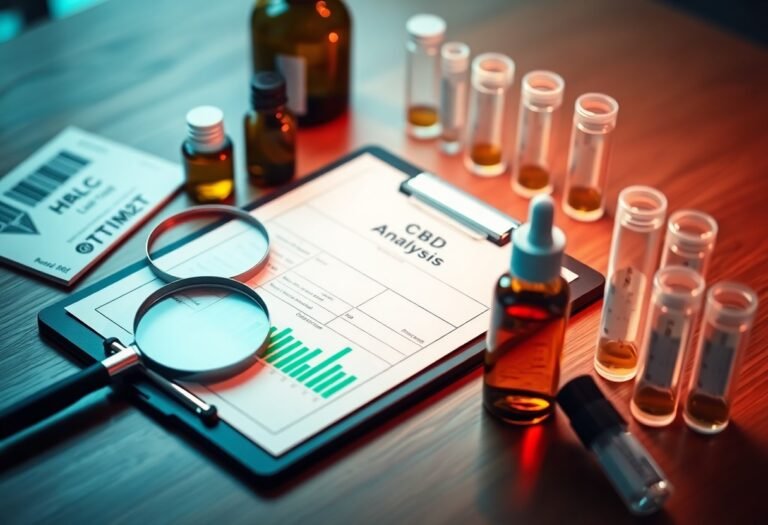
You’ll typically receive a Certificate of Analysis as a PDF with a unique QR code linking to the batch-specific results. At the top, the product name and batch number align with the physical label, ensuring traceability. Lab details follow, including accreditation status and testing methods used, which confirms the legitimacy of the procedures. Each compound tested appears in a table with its measured concentration, usually in milligrams per gram or as a percentage.
Interpreting the Data Fields
Results are grouped by category-cannabinoids, terpenes, contaminants-each with pass or fail indicators based on regulatory thresholds. Your CBD concentration should match the label claim within an acceptable variance, often ±10%. Heavy metals, pesticides, and residual solvents appear with detection limits, showing whether harmful substances were found. A footnote may clarify detection methods, such as “ND” meaning “not detected” below a certain threshold, a key detail when assessing safety. A mid-sized SaaS firm recently flagged inconsistent ND labeling across labs, prompting industry discussion on standardization.
The Potency Inquest
Accurate cannabinoid levels determine both the product’s effectiveness and your ability to dose safely. Lab reports quantify CBD, THC, and minor cannabinoids like CBG or CBN, listing concentrations in milligrams per gram or as a percentage of total weight. A discrepancy of more than 10% between label claims and lab results raises red flags about manufacturing practices.
Consider a tincture labeled at 30 mg of CBD per serving. If the certificate of analysis shows only 22 mg, you’re receiving less than advertised, potentially undermining your intended use. Consistent potency across batches, confirmed through multiple COAs, reflects a brand’s commitment to quality control and regulatory compliance.
Detecting the Contaminants
Heavy metals like lead, arsenic, and cadmium can accumulate in hemp plants grown in contaminated soil, making their way into the final product. Your safety depends on identifying these elements, which is why a legitimate certificate of analysis will include results from ICP-MS (inductively coupled plasma mass spectrometry) testing. A mid-sized SaaS firm recently recalled its CBD line after third-party results revealed unsafe levels of mercury, underscoring the necessity of routine screening.
Solvent residues from extraction processes may also linger if purification steps are skipped or poorly executed. Look for gas chromatography results showing non-detect levels of substances like butane, ethanol, or propane. Any detectable amount above established safety thresholds invalidates the product’s claim to purity, regardless of marketing claims. A Colorado-based brand faced regulatory action when lab reports confirmed residual heptane in its vape cartridges.
The Microscopic Threat
You face invisible risks with every untested CBD product, as microbial contamination can thrive undetected in improperly handled extracts. Bacteria like E. coli or Salmonella, along with mold and yeast, may originate from unsanitary growing conditions or poor processing practices. These organisms are not visible to the naked eye but can trigger serious health issues, particularly in immunocompromised users.
Lab reports disclose microbial levels through standardized plate counts, often measured in colony-forming units per gram. A reputable certificate will confirm compliance with state or international safety thresholds, ensuring the product is free from harmful microbial overgrowth. For example, a clean result might show total aerobic microbial count below the acceptable regulatory limit, confirming safety for consumption.
The Aromatic Evidence
Terpenes shape the sensory identity of your CBD product, and a certificate of analysis often includes their profile. You can cross-reference the listed terpenes-like myrcene, limonene, or caryophyllene-with known botanical sources to verify authenticity. A product derived from fresh hemp should reflect a terpene array consistent with its strain genetics, not synthetic additives or degradation byproducts.
Consistency across batches matters just as much as the initial profile. If your last bottle carried a dominant pinene note and the new one lacks it despite matching labels, lab data should explain the shift. Natural variation occurs, but abrupt terpene discrepancies may signal poor cultivation, storage, or extraction practices you have a right to question.
The Seal of Truth
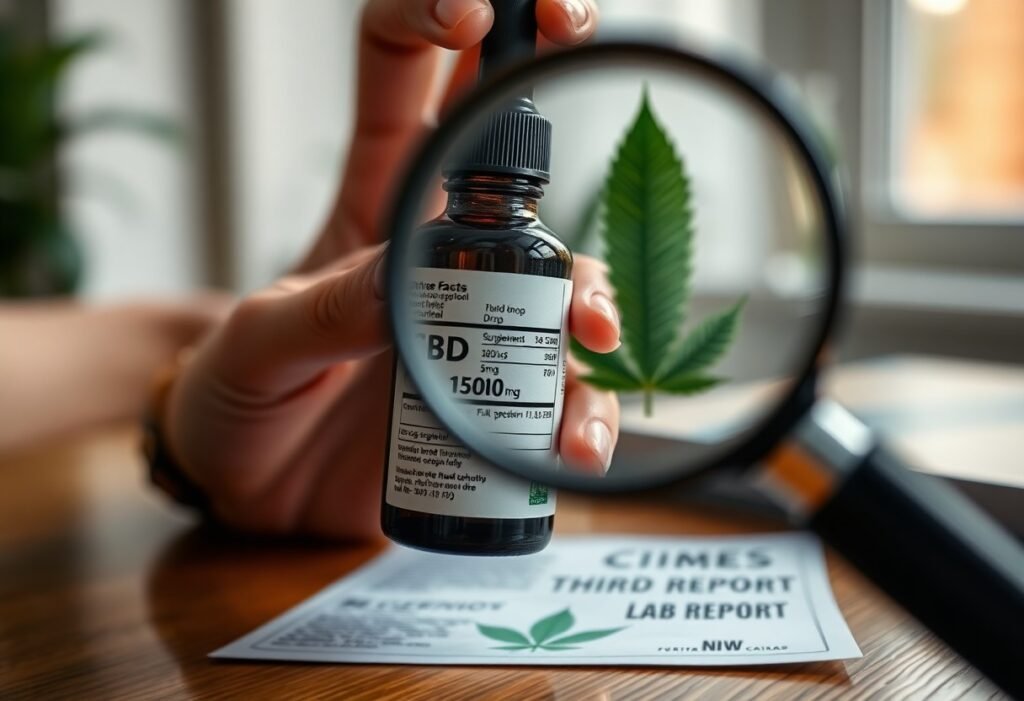
Third-party lab reports carry a seal or digital signature that verifies authenticity, ensuring you’re not reviewing a fabricated document. This mark confirms the laboratory performed the analysis and stands by its findings, linking the results directly to an accredited facility with traceable quality controls.
Look for the lab’s name and contact information, then cross-reference it with independent directories of ISO-certified testing facilities. A legitimate seal often includes a QR code or unique report ID you can validate online, such as with a public database lookup offered by labs like SC Labs or ProVerde. A mid-sized SaaS firm in Colorado recently exposed counterfeit COAs by verifying these digital footprints, reinforcing their role as a frontline defense.
Conclusion
You now hold the tools to interpret CBD Certificates of Analysis with precision. Every line on the report, from cannabinoid concentration to residual solvent levels, serves as a direct insight into product integrity. A mid-sized SaaS firm recently uncovered batch inconsistencies by cross-referencing COAs, reinforcing the value of independent verification. You rely on these documents not as formalities, but as empirical records that confirm safety, consistency, and compliance.
Your confidence in a CBD product should stem from transparent, third-party data, not marketing claims. When you examine a COA, you are reviewing a scientific audit trail-one that includes extraction methods, testing protocols, and detection thresholds. A Colorado-based producer was flagged for misleading labeling after routine COA reviews revealed THC levels above legal limits. Your vigilance ensures alignment between what’s promised on the label and what’s present in the product.