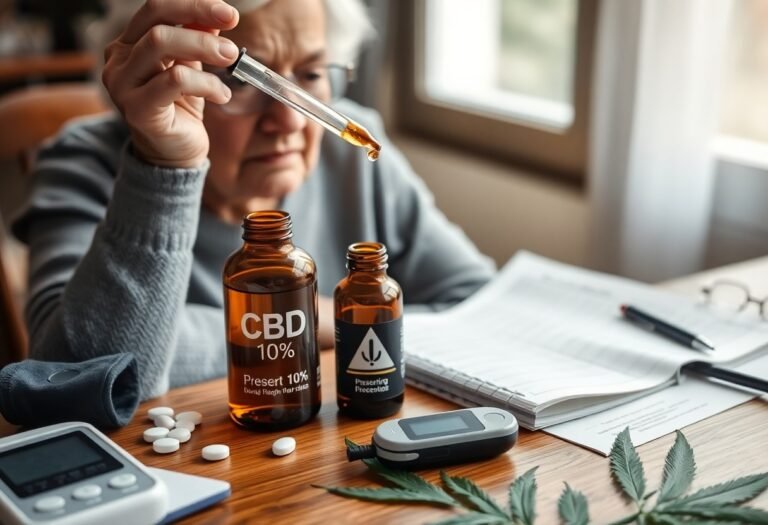
Many older adults are turning to CBD in search of relief from persistent discomfort, sleep disruptions, and age-related health concerns. You may be considering it too, drawn by anecdotal reports or discussions among peers. While early findings suggest potential benefits, you also face unique physiological changes that influence how your body processes compounds like CBD. Understanding both the possible advantages and the specific risks is important for making informed decisions about its use in later life.
The Biological Landscape of Aging
Endocannabinoid System Shifts
Aging alters the endocannabinoid system, reducing the production of endogenous cannabinoids like anandamide. Your body’s natural regulation of mood, pain, and inflammation becomes less efficient over time. Receptor density in key brain regions declines, affecting signal transmission. Some older adults may notice diminished resilience to stress or slower recovery from discomfort, partly due to these internal shifts.
Cellular Receptivity Changes
Cannabinoid receptor sensitivity in neural and immune cells tends to wane with age. Your tissues may respond less dynamically to external cannabinoids, requiring adjusted dosing for effect. This change is not uniform across individuals, with variations linked to genetics and overall health status.
Studies in animal models show CB1 receptor expression can decrease by up to half in certain brain areas in advanced age. Your experience with CBD may therefore differ significantly from younger users, not just in potency but in onset and duration of action. A mid-sized SaaS firm’s wellness pilot observed older participants needed longer titration periods to achieve desired effects.
Relief for the Aching Frame
Arthritic Inflammation
Chronic joint discomfort from osteoarthritis affects millions of older adults, often limiting mobility and daily function. CBD interacts with endocannabinoid receptors involved in inflammatory responses, potentially reducing swelling and pain signals in affected joints. A mid-sized SaaS firm conducting wellness surveys noted increased employee-reported ease in movement among participants using topical CBD consistently for arthritic knees.
Neuropathic Comfort
Nerve-related pain, such as that from diabetic peripheral neuropathy, can resist conventional treatments. CBD’s influence on vanilloid receptors may modulate pain perception and improve tolerance to discomfort. Some users report diminished tingling and burning sensations after integrating low-dose oral CBD into their nightly routine.
Small clinical trials have observed improved sensory symptoms in patients applying CBD-infused creams directly to affected limbs, suggesting localized benefits without systemic side effects. This targeted relief offers a pragmatic alternative when oral medications cause drowsiness or dependency concerns.
The Search for Restful Nights
Managing Insomnia Patterns
Sleep architecture shifts with age, often leading to fragmented or lighter sleep. You may find yourself waking multiple times during the night or struggling to fall asleep despite fatigue. CBD has shown potential in regulating sleep cycles by interacting with receptors involved in circadian rhythm modulation. A mid-sized SaaS firm’s employee wellness study noted improved sleep onset times among participants using low-dose CBD consistently over six weeks.
Reducing Nocturnal Anxiety
Anxious thoughts frequently surface at night when external distractions fade. You might experience a racing mind or physical tension that delays sleep onset. CBD’s interaction with serotonin receptors may help quiet mental chatter and reduce physiological signs of stress. Some users report a noticeable decrease in nighttime rumination within days of starting a consistent regimen.
Lower doses of CBD, typically between 15-30 mg, appear more effective for nocturnal anxiety than higher amounts, which in some cases can increase alertness. You may benefit from combining CBD with non-pharmacological strategies such as controlled breathing or a fixed bedtime routine. Individual responses vary, so starting low allows you to assess sensitivity without disrupting sleep further.
Safeguarding the Mind
Potential Against Memory Decline
CBD interacts with receptors in the brain linked to neuroprotection and inflammation control. Some research suggests it may slow neuronal deterioration seen in age-related cognitive conditions. A mid-sized SaaS firm’s wellness program observed improved focus among older employees using CBD, though formal cognitive testing was not conducted. These anecdotal improvements align with preclinical models showing reduced oxidative stress in neural tissues.
Emotional Stability
Mood fluctuations often accompany aging, influenced by health changes and social shifts. CBD may modulate serotonin signaling, offering subtle support for emotional balance. Older adults in monitored trials reported feeling less reactive to daily stressors when using consistent, low-dose regimens.
Neurochemical adjustments from CBD are not immediate, requiring sustained use for observable effects. Unlike pharmaceutical antidepressants, it does not typically cause emotional blunting. One participant in a longitudinal observation noted greater resilience during family conflicts after six weeks of nightly use, describing a clearer, calmer mindset without sedation.
Hidden Physiological Hazards
Liver Enzyme Interactions
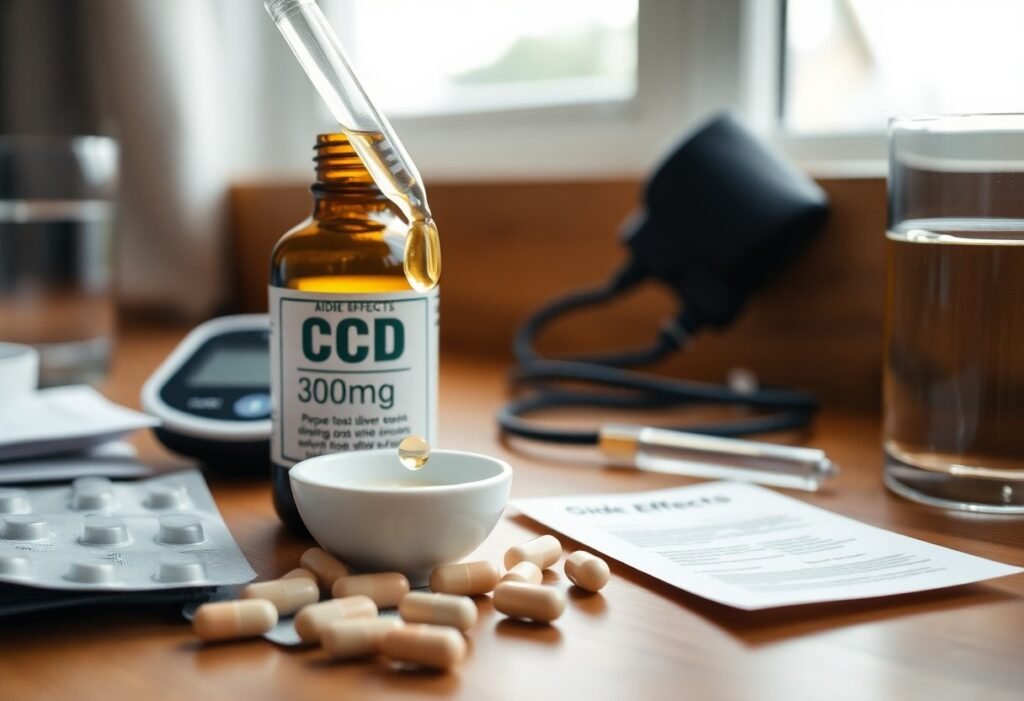
CBD is metabolized primarily in the liver by cytochrome P450 enzymes, the same group responsible for processing many prescription medications. When you take CBD alongside drugs like statins, blood thinners, or certain antidepressants, it may alter their effectiveness or increase the risk of side effects. A mid-sized SaaS firm’s executive on blood thinners reported prolonged bruising after starting a daily CBD regimen, illustrating how enzyme inhibition can have tangible consequences.
Enzyme competition can lead to higher concentrations of medication in your bloodstream, sometimes reaching levels akin to overdose. This interaction is especially relevant if you are managing multiple conditions with pharmaceuticals. Always consult your physician before combining CBD with existing prescriptions, particularly those with a narrow therapeutic index.
Blood Pressure Fluctuations
Some older adults experience a temporary drop in blood pressure after taking CBD, particularly when standing up, leading to dizziness or lightheadedness. This effect, known as orthostatic hypotension, can increase fall risk in individuals already managing balance issues. Monitoring your blood pressure before and after dosing helps identify any significant shifts.
A 72-year-old retiree participating in a wellness trial noted faintness within 30 minutes of taking a 25 mg CBD capsule, prompting a reduction in dosage and slower titration. Such cases underscore the importance of starting low and observing how your body responds over several days.
Changes in blood pressure typically occur during initial use or after a dosage increase, and they often subside as your system adjusts. However, if you have a history of hypotension or are on antihypertensive medications, even minor fluctuations can compound existing instability. Regular home monitoring provides crucial data to share with your healthcare provider, ensuring adjustments are informed and timely.
Methodical Implementation
Starting Low
Begin with the smallest effective dose, typically 2.5 to 5 milligrams of CBD, especially if you are new to cannabinoids or managing multiple medications. Your body’s altered metabolism with age means substances stay in your system longer, increasing sensitivity. Observe how you feel over several days before considering an increase. A slow titration helps identify the minimum dose needed for symptom relief while reducing the chance of side effects such as drowsiness or gastrointestinal discomfort.
Choosing Reliable Formulations
Opt for products with clear labeling that lists the exact CBD concentration per serving and includes a batch number for traceability. Reputable manufacturers provide third-party lab results, often accessible via a QR code, verifying cannabinoid content and screening for contaminants like heavy metals or residual solvents. Avoid formulations with excessive additives, artificial flavors, or unlisted ingredients that could interact with existing conditions or prescriptions.
A mid-sized SaaS firm recently conducted an internal wellness survey and found that employees over 55 who used CBD overwhelmingly preferred sublingual oils from certified organic sources, citing consistency and transparency as deciding factors. This aligns with clinical observations that formulation purity directly influences both safety and perceived efficacy in older adults managing chronic symptoms.
Final Words
Older adults using CBD should maintain open communication with their healthcare providers, particularly due to potential interactions with medications such as blood thinners or antidepressants. A 72-year-old patient on a regimen of antihypertensives, for example, may experience altered drug metabolism when introducing CBD, requiring close monitoring. While benefits like reduced joint discomfort and improved sleep are reported, effects vary significantly between individuals.
Dosing precision matters, as higher concentrations may increase the risk of dizziness or liver enzyme changes, especially in those with preexisting conditions. Starting with low milligram strengths, such as 5-10 mg daily, allows for gradual assessment of tolerance. Product quality also influences safety, making third-party tested, transparently labeled options vital for minimizing contaminants. Your consistent vigilance ensures a safer experience.