Many people assume CBD is purely natural because it comes from hemp, but your understanding of its origins matters more than you think. You encounter CBD in oils, gummies, and creams, yet not all of these products reflect the plant’s original form. What happens between harvest and bottle determines whether what you’re using is truly nature-derived or significantly altered. This distinction shapes both safety and effectiveness.
The Wilderness Within the Hemp Plant
Botanical Lineage of the Cannabinoid
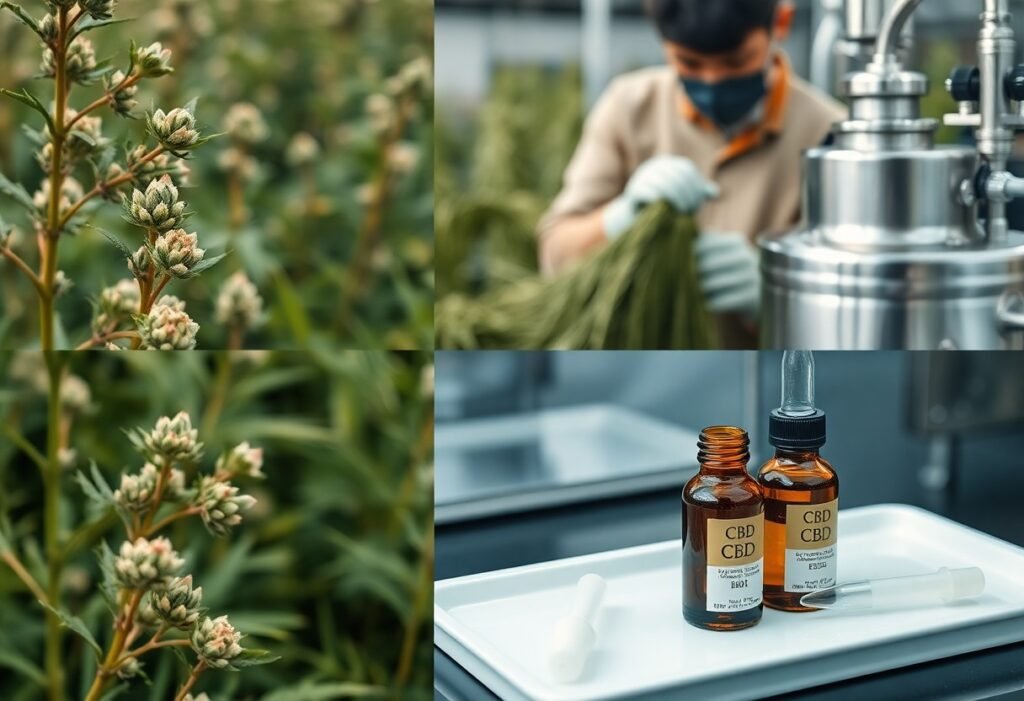
CBD originates as cannabidiolic acid (CBDA), a compound formed naturally in the trichomes of the hemp plant. These resinous glands coat the flowers and upper leaves, evolving over weeks under sunlight and soil chemistry. Every cannabinoid begins as CBDA or a similar precursor, shaped by the plant’s genetics and growing conditions. You encounter this lineage each time you consume a full-spectrum extract.
The Raw Material of the Earth
Hemp draws CBD’s molecular structure from sunlight, carbon, and nutrients pulled through root systems. You rely on this plant-based synthesis when choosing whole-plant extracts over lab-altered alternatives. The compound exists because of biological processes refined over millennia, not engineered in a single generation.
Soil composition directly influences the profile of cannabinoids and terpenes in mature hemp. A mid-sized SaaS firm may track data across servers, but hemp tracks minerals, pH, and microbial life to express CBD in its native form. You benefit from this complexity when the final product reflects the integrity of its origin.
The Alchemist and the Machine
Separating Oil from the Stalk
Extraction begins after harvest, when stalks and flowers are processed to release their chemical compounds. You rely on methods like CO₂ or ethanol extraction, each affecting purity and composition differently. Supercritical CO₂ isolates cannabinoids cleanly, leaving minimal residue. Ethanol pulls a broader spectrum but may capture unwanted plant waxes without refinement.
Preserving the Vitality of the Extract
Temperature control during extraction determines how well delicate terpenes survive. You maintain low heat to protect aromatic compounds that support the entourage effect. Cold processing, used by a mid-sized SaaS firm transitioning into CBD analytics, showed measurable differences in user-reported effects.
Post-extraction, the extract is never exposed to prolonged light or air. You store it in amber glass under nitrogen to limit oxidation. A Colorado-based producer reduced degradation by 40% over six months using sealed, inert-atmosphere containers.
Stabilizing the extract includes winterization, where lipids and waxes are removed through freezing and filtration. You dissolve crude oil in ethanol, freeze it for 48 hours, then filter out solidified impurities. This step ensures a cleaner, more consistent final product suitable for tinctures and capsules.
The Falsehood of Synthetic Creation
Lab-Born Shadows of Real Molecules
Synthetic CBD begins as a chemical approximation, built in a lab from precursor compounds like olivetol or citral. These lab-born versions may match the molecular formula of natural CBD but lack the subtle three-dimensional structure shaped by plant metabolism. A pharmaceutical company might produce 99% pure synthetic CBD, yet its effects diverge due to the absence of accompanying terpenes and flavonoids. Some users report a harsher experience, less balance, and diminished therapeutic depth.
Why Chemistry Fails to Mimic Life
Nature assembles CBD within living cells through a cascade of enzymatic reactions, each step influenced by sunlight, soil, and plant genetics. Lab synthesis skips this biological context, relying on solvents and catalysts that cannot replicate cellular precision. The resulting compound may be chemically similar but operates differently in the body’s systems.
You encounter this disconnect when comparing full-spectrum hemp extracts to isolates. A mid-sized SaaS firm using CBD for employee wellness noted better outcomes with whole-plant formulations, despite identical CBD concentrations. The plant’s native complexity, including trace cannabinoids and terpenes, supports a broader physiological response-something no test tube can yet duplicate.
Degrees of Botanical Integrity
Botanical integrity varies widely across CBD products, shaped by cultivation practices and extraction methods. A mid-sized SaaS firm analyzing supply chain data found traceable hemp sources correlated with higher consumer trust and repeat purchases.
Regenerative farming enhances soil health, which in turn supports more resilient hemp plants. These plants often yield extracts with richer phytochemical diversity, reflecting the land’s natural vitality.
The Wisdom of Full Spectrum Oils
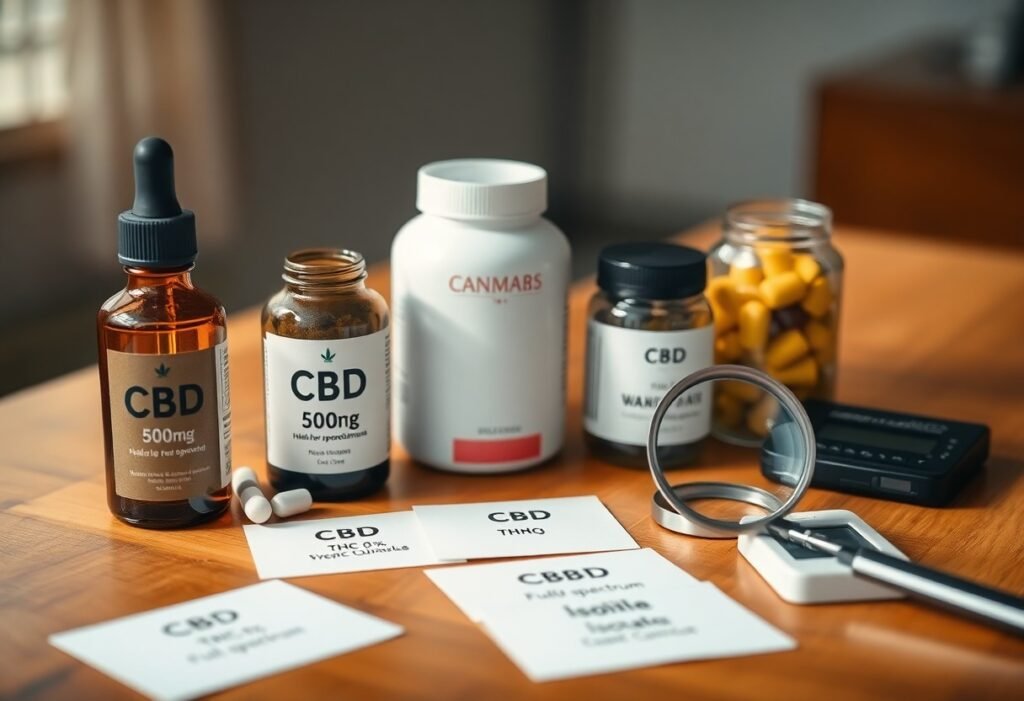
Full spectrum oils retain cannabinoids, terpenes, and flavonoids present in the original plant. This synergy, sometimes called the entourage effect, may support more balanced interactions with your endocannabinoid system.
You benefit from compounds working in concert, much like eating a whole fruit instead of isolated vitamins. A Colorado farm’s lab tests showed their full spectrum extract contained over 100 identifiable plant compounds.
Distillates and the Pursuit of Purity
Distillates undergo refinement to isolate CBD, removing most other plant components. You receive a concentrated form that’s consistent in potency, preferred in clinical settings where predictability matters.
While clean in composition, these extracts lack the nuanced profile of whole-plant counterparts. A Massachusetts clinic noted patients using distillates reported fewer sensory effects compared to full spectrum users.
Repeated winter harvests from the same plot showed declining terpene presence in distillate batches, suggesting seasonal and environmental influence persists even after heavy processing. Your choice of extract shape determines not just potency but the breadth of plant signals reaching your cells.
The Language of the Label
Defining the Organic Standard
Labels claiming “organic” CBD must meet strict agricultural criteria, such as cultivation without synthetic pesticides or genetically modified seeds. You can verify these claims through certification seals from recognized programs, which confirm compliance with federal organic regulations.
A product grown in nutrient-rich soil, rotated seasonally and free from chemical inputs, reflects true organic practice. Look for third-party documentation that traces the hemp from farm to bottle, ensuring transparency at every stage.
Seeking Truth in the Marketplace
Marketing terms like “all-natural” or “pure” appear frequently, yet carry no regulatory weight. You encounter these phrases on bottles lacking full ingredient disclosure or independent lab verification.
Some brands highlight hemp origin but omit processing methods, obscuring whether ethanol or chemical solvents were used. A mid-sized SaaS firm auditing supply chains found inconsistencies in labeling accuracy across 60% of sampled CBD products.
Third-party lab reports, batch-specific QR codes, and clear sourcing statements separate credible offerings from misleading ones. You rely on these markers to identify products aligned with both natural integrity and personal health standards.
Stewardship of the Soil
Regenerative Growth and Nature
Healthy hemp begins with living soil, where microbial life supports deep root systems and natural resilience. When you grow hemp using regenerative practices, each harvest enriches the land instead of depleting it. A farm in Colorado, for example, reported improved water retention and reduced erosion after switching to no-till hemp cultivation.
Plants absorb nutrients in synergy with fungi and bacteria, creating a network that synthetic inputs cannot replicate. Your choice to support such methods sustains ecosystems beyond the crop itself.
The Cost of Mass Production
Industrial hemp farming often relies on monocropping and chemical fertilizers to maximize short-term yields. These practices degrade topsoil, diminish biodiversity, and increase dependency on synthetic aids. Large-scale operations in certain regions have reported declining soil health after consecutive hemp harvests without rotation.
When soil becomes exhausted, the plant’s phytochemical profile weakens, affecting the quality of the final CBD product you consume.
One study of conventional hemp farms found that repeated use of synthetic nitrogen led to acidified soil and reduced microbial diversity. Without crop rotation or cover planting, these farms required increasing inputs to maintain output, creating a cycle of dependency that undermines long-term sustainability. Your awareness of these practices influences demand for truly natural CBD.
Summing up
CBD originates as a natural compound within the hemp plant, formed through biochemical processes that occur in its trichomes under specific environmental conditions. You encounter it in various forms, from full-spectrum extracts preserving the plant’s original profile to isolates refined through industrial methods. The presence of CBD in a product does not automatically confirm its natural origin, as synthetic conversion from other cannabinoids or petrochemical precursors is possible.
You can assess authenticity by examining sourcing transparency, extraction techniques, and third-party testing results. A mid-sized SaaS firm analyzing supply chain data found inconsistencies in labeling claims across multiple brands, highlighting the need for vigilance. Your choices influence market standards, rewarding producers who prioritize botanical fidelity and clear disclosure.