Over 60% of U.S. adults have heard of CBD, and you’re likely among those seeking clear, reliable answers about its use, origins, and effects. You want to understand how it interacts with your body, whether it’s legal, and how to use it safely-all without hype or confusion. This guide addresses the questions you’re asking with straightforward, evidence-based information.
The Source of the Oil
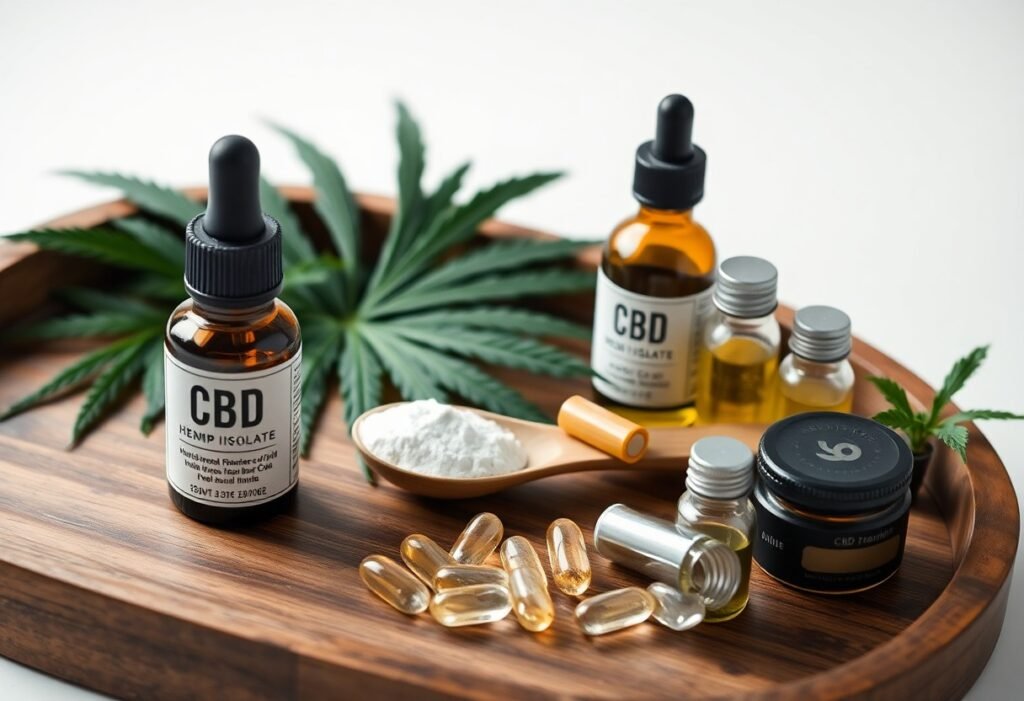
CBD oil primarily comes from the hemp plant, a variety of Cannabis sativa that contains less than 0.3% THC by dry weight. You’ll find most commercial CBD products derived from industrial hemp grown on licensed farms in the United States or Europe, where cultivation follows strict agricultural guidelines. The stalks, stems, and seeds contribute minimally to oil production, while the flowers and leaves hold the highest concentration of cannabinoids.
Extraction methods matter when determining purity and potency. You may encounter products made using CO2 extraction, which preserves beneficial compounds without leaving behind harmful solvents. A mid-sized SaaS firm auditing supply chains found inconsistencies in labeling when extraction origins weren’t fully disclosed, highlighting the importance of traceability. Always check whether the oil is sourced from organically grown hemp to reduce exposure to pesticides and heavy metals.
The Impact on the Body
How CBD Interacts with Your Physiology
CBD engages with your endocannabinoid system, a network of receptors that help regulate functions like sleep, mood, and inflammation. Unlike THC, it doesn’t bind directly to the main cannabinoid receptors but influences them indirectly, often modulating how they respond to stimuli. Some users report reduced discomfort after using CBD following intense physical activity, suggesting a potential role in recovery.
Observed Effects and Variability
Your experience with CBD can vary widely based on dosage, body chemistry, and the product’s formulation. A mid-sized SaaS firm employee using a tincture nightly might notice improved sleep consistency, while another person using the same product may detect no change. These differences underscore the importance of individualized dosing and realistic expectations when incorporating CBD into your routine.
The Way to Take It
Choosing Your Method
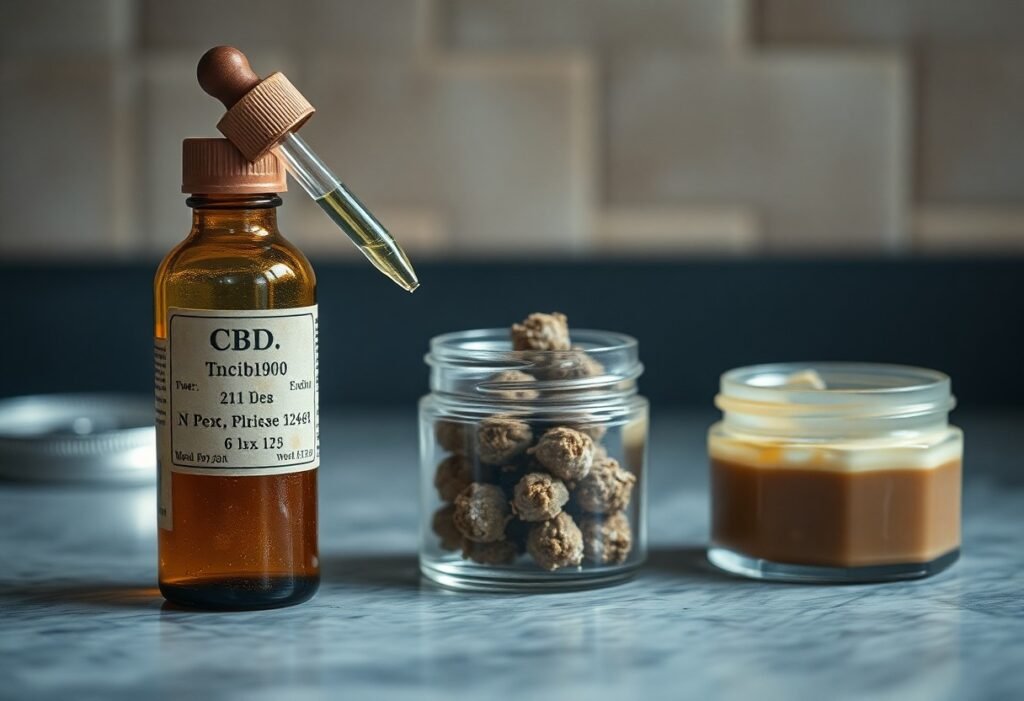
How you consume CBD affects both the onset and duration of effects. Sublingual tinctures, held under the tongue for 30 to 60 seconds, enter the bloodstream quickly and offer precise dosing. A mid-sized SaaS firm’s employee might use this method before a high-stakes meeting to manage situational anxiety without drowsiness.
Different Forms for Different Needs
Edibles like gummies provide a discreet and palatable option, though effects take longer to appear due to digestion. Topical creams work well for localized discomfort, such as joint stiffness after a workout. Inhalation via vaporization delivers the fastest results, often within minutes, making it suitable for acute symptom relief.
The Risks Involved
CBD can interact with enzymes responsible for metabolizing many common medications, potentially altering their effectiveness or increasing side effects. For example, someone taking blood thinners may experience changes in how their body processes the drug when using CBD regularly.
Some users report mild side effects such as fatigue, dry mouth, or changes in appetite, though these tend to subside with adjusted dosing. A mid-sized SaaS firm’s employee wellness program noted that a small number of participants discontinued CBD use due to drowsiness during afternoon hours, highlighting the need for personal experimentation under consistent routines.
The Truth in Testing
What Third-Party Lab Reports Reveal
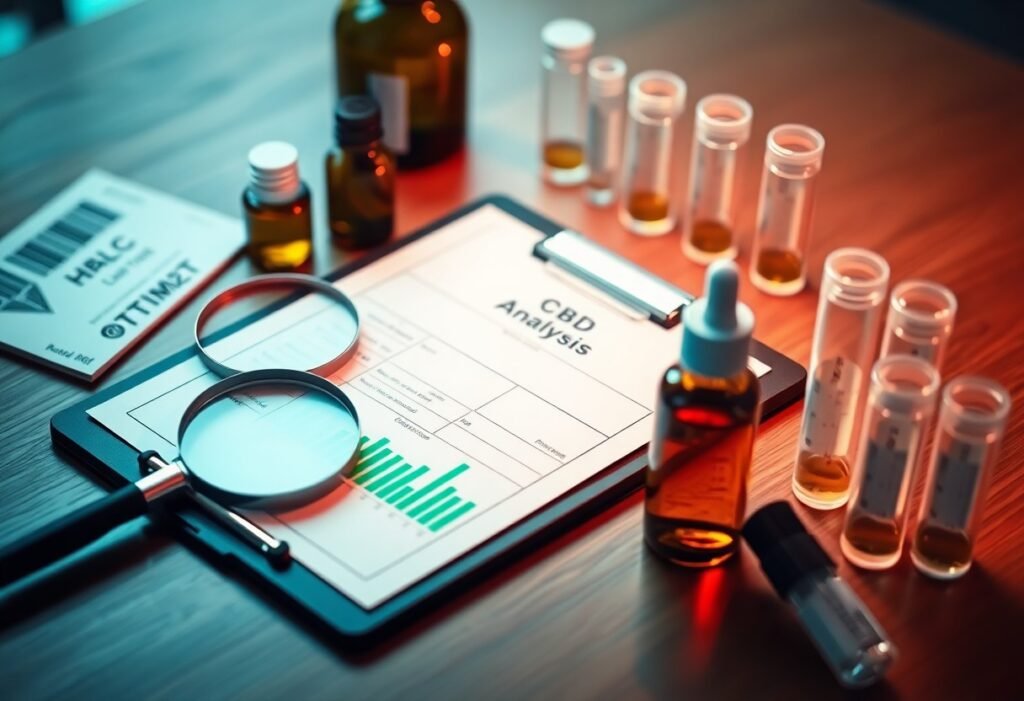
You rely on third-party lab testing to confirm what’s actually in a CBD product, not just what the label claims. These independent reports analyze cannabinoid content, checking for accurate CBD levels and the presence of THC. A certificate of analysis from a reputable lab can expose products with far less CBD than advertised or those contaminated with solvents or heavy metals. For example, a mid-sized SaaS firm selling wellness products discovered batch inconsistencies only after reviewing lab results their supplier had not disclosed.
How to Verify Test Results
Look for QR codes or batch numbers on the packaging that link directly to up-to-date lab reports. Reputable brands publish these results openly, often on their website or at the point of sale. Check that the testing was done by a lab with no financial ties to the manufacturer, ensuring objectivity. If a company avoids sharing full-panel test results, it raises legitimate concerns about transparency. One well-known brand faced public backlash after customers found mold in a tincture, a contaminant absent from the original, incomplete lab screening.
Final words
You now have clear answers to the most common questions about CBD, from its origins in hemp to the way it interacts with your body’s systems. Understanding lab testing helps you verify purity and avoid unwanted THC levels, while knowing the legal status ensures compliance across state lines. A mid-sized SaaS firm recently updated its employee wellness program to include CBD education, reflecting broader acceptance. Your choices should align with transparency, dosage accuracy, and personal health goals.