With so many CBD products on the market making bold claims, you face a real challenge knowing which ones deliver what they promise. Independent lab testing gives you objective proof of potency, purity and safety, separating credible brands from those relying on marketing alone. You rely on these reports to verify cannabinoid levels, check for contaminants and confirm manufacturing consistency.
The Lawless Frontier of Cannabinoids
You operate in a market where federal oversight remains fragmented and enforcement is inconsistent. Synthetic cannabinoids and unregulated analogs frequently appear in products labeled as hemp, bypassing consumer expectations and safety standards. A 2023 FDA warning highlighted cases of delta-8-THC products causing adverse reactions in children, underscoring the risks of loosely monitored derivatives.
State regulations vary widely, leaving room for misleading labels and contaminated batches to reach shelves. You might find a tincture in one state containing 30% less CBD than advertised, while an identical-looking product in another state delivers unexpected psychoactive effects due to undisclosed compounds. Without mandatory third-party verification, these discrepancies become the norm, not the exception.
The Cold Gaze of the Independent Lab
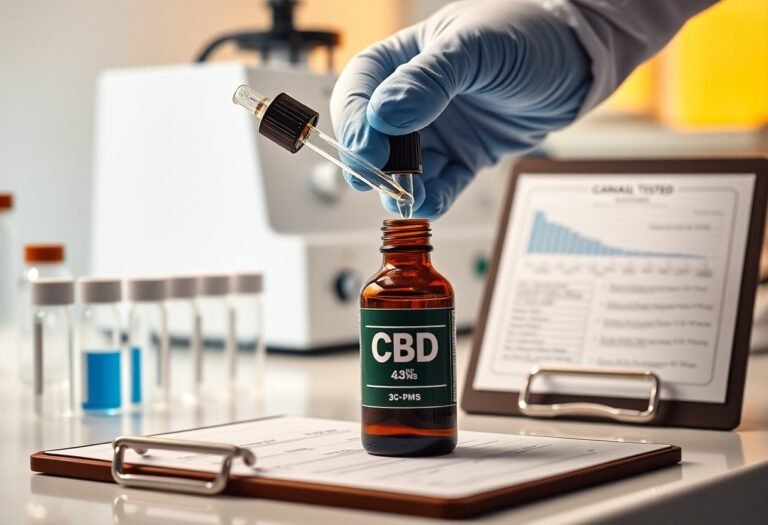
Independent laboratories operate without financial ties to CBD brands, creating a necessary distance that preserves analytical integrity. When you submit a sample to one of these facilities, it undergoes evaluation using standardized protocols that prioritize accuracy over marketability. A mid-sized SaaS firm managing wellness product compliance recently reported correcting labeling errors in over 40% of initial submissions after third-party review.
Equipment in these labs, such as high-performance liquid chromatography systems, detects cannabinoid concentrations down to trace levels. You receive data stripped of marketing language, showing exactly what is present and in what quantity. This unfiltered clarity separates genuine quality from promotional claims, especially when results are made publicly accessible alongside batch numbers and timestamps.
Hunting Toxins in the Chemical Fog
Unseen Contaminants, Real Consequences
Residual solvents from extraction processes can linger in CBD products, posing health risks with prolonged exposure. You rely on third-party testing to detect substances like butane or ethanol, which may not be listed on the label but are quantifiable in lab reports. A mid-sized SaaS firm discovered mold in its wellness offerings only after independent screening revealed elevated levels of *Aspergillus*, a contaminant invisible to the naked eye.
Clarity Through Precision Instruments
Gas chromatography and mass spectrometry separate and identify chemical compounds at microscopic levels. These tools expose heavy metals such as lead or arsenic, often absorbed by hemp plants grown in compromised soil. Your product’s safety hinges on this level of scrutiny, where even trace amounts trigger rejection. One Colorado processor reformulated its entire line after tests showed cadmium levels exceeding industry benchmarks.
The Brutal Truth of Milligram Math
You expect the label on your CBD tincture to reflect what’s actually inside the bottle, yet discrepancies between advertised and tested milligram counts are common. A 30-milliliter bottle labeled as containing 1,500 milligrams of CBD should deliver 50 milligrams per milliliter, but third-party results often show values 20 to 30 percent lower. This gap isn’t just a rounding error-it directly impacts dosing accuracy, especially for users managing chronic symptoms.
One Colorado-based lab tested 40 top-selling online CBD oils and found only 12 delivered within 10 percent of their claimed potency. Some products contained less than half the advertised CBD, while others exceeded limits, raising safety concerns. Without independent verification, you’re left trusting a number that may have never been measured at all.
Building a Fortress of Transparency
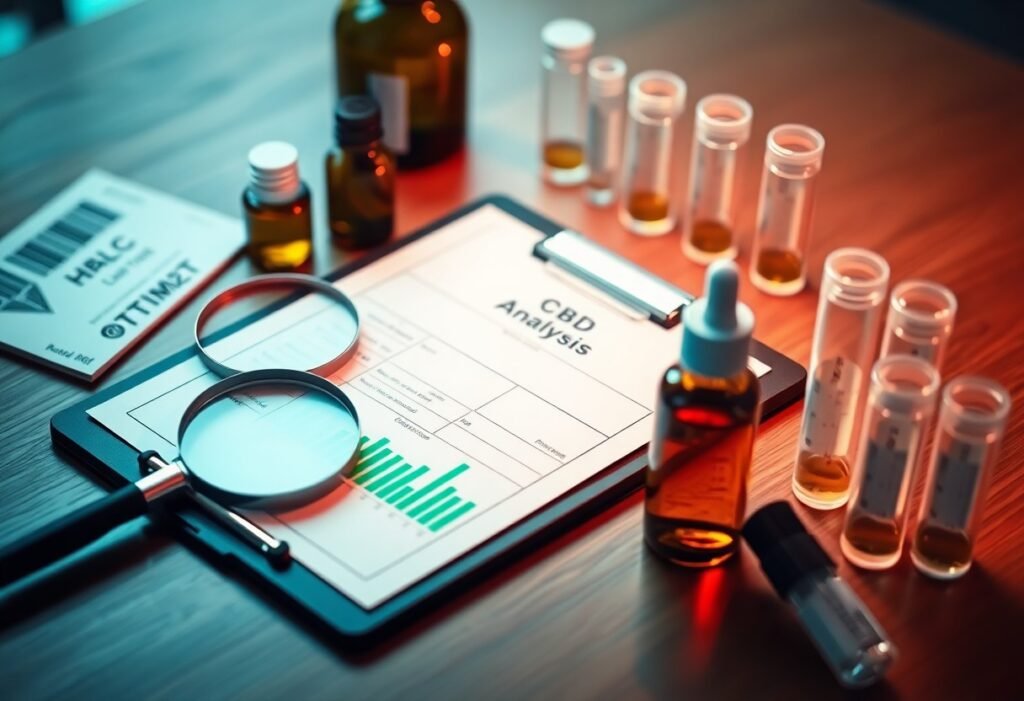
You open your product’s certificate of analysis and see every compound accounted for, down to trace cannabinoids and residual solvents. That document is not just data, it is a public ledger of trust, one that invites scrutiny and withstands it. A mid-sized SaaS firm might rely on uptime reports; in CBD, your reputation runs on lab transparency.
Consumers now cross-reference batch numbers before purchasing, comparing advertised potency against verified results. When a Colorado retailer pulled products after third-party tests revealed undeclared pesticides, the brand’s immediate release of updated reports limited reputational damage. Your consistency in publishing results turns skepticism into loyalty, one verified batch at a time.
Summing up
Third party CBD testing gives you objective proof of what’s in the product you’re considering. You see exact cannabinoid levels, confirmation of contaminant absence, and verification that the label matches the contents. A mid-sized SaaS firm promoting wellness supplements, for instance, saw customer trust rise after publishing full-panel lab results alongside every product. You rely on these reports to separate legitimate brands from those cutting corners. Each certificate of analysis is a direct line to informed decisions, grounded in chemistry, not marketing.