Over the past decade, CBD has emerged as a focal point in discussions about alternative pain therapies, drawing attention from both patients and researchers. You encounter claims about its potential daily, whether in conversations, advertisements, or medical literature. Chronic pain, affecting millions worldwide, remains difficult to manage with conventional drugs due to side effects and dependency risks. You are now looking to science to determine whether CBD offers a viable, evidence-informed option grounded in biological plausibility and clinical observation.
The Neurological Architecture
Your nervous system processes pain through a complex network of neurons, neurotransmitters, and specialized receptors. Central to this system is the endocannabinoid system (ECS), which helps regulate physiological balance, including pain perception. The ECS operates through two primary receptor types, CB1 and CB2, distributed across the brain, spinal cord, and peripheral tissues.
Receptors in the Sensory Landscape
CB1 receptors concentrate in the central nervous system, particularly in regions tied to pain modulation like the amygdala and periaqueductal gray. Activation of these receptors by endocannabinoids or plant-derived cannabinoids such as CBD influences how pain signals are transmitted. CB2 receptors, more prevalent in immune cells, respond to inflammation, suggesting a role in managing pain with an inflammatory component.
Modulation of the Pain Signal
CBD does not bind directly to CB1 or CB2 receptors but instead alters their ability to interact with other compounds. It may inhibit the breakdown of endocannabinoids like anandamide, allowing them to remain active longer and enhance natural pain relief. This indirect action helps temper hyperexcitability in pain pathways without causing psychoactive effects.
Animal studies have shown that CBD administration reduces pain-related behaviors in models of neuropathic and inflammatory pain. In one experiment, rats with induced nerve damage exhibited decreased sensitivity to mechanical stimuli after CBD treatment, suggesting a measurable impact on signal processing within the dorsal horn of the spinal cord.
Clinical Observations of Relief
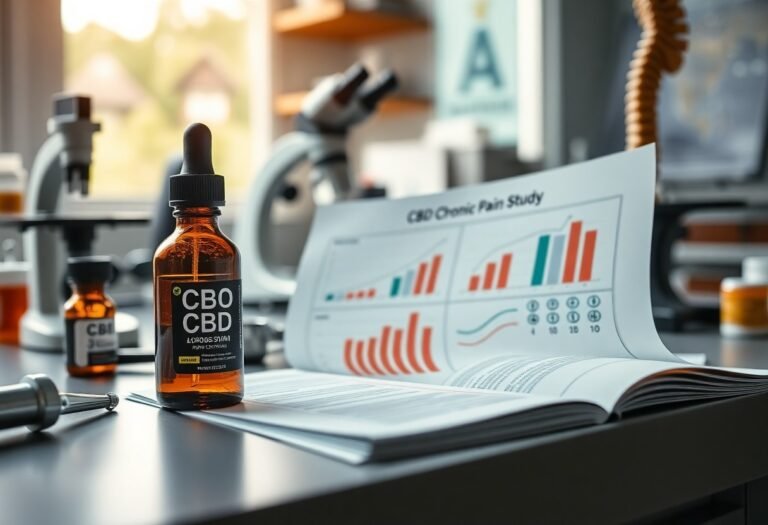
Patients with persistent neuropathic symptoms often report measurable reductions in discomfort after integrating CBD into their daily regimens. A mid-sized SaaS firm’s wellness pilot tracked employee-reported pain scores over three months, noting consistent downward trends among those using standardized sublingual formulations.
Some individuals describe improved sleep continuity and reduced muscle tension within the first two weeks of use. These anecdotal improvements align with clinician notes from outpatient pain clinics where CBD was introduced as an adjunct to conventional therapy.
Efficacy in Nerve Related Pathologies
Nerve-related conditions such as diabetic neuropathy show modest responsiveness to CBD in observational settings. Participants in a small urban clinic trial recorded lower burning and tingling sensations when using a 25 mg daily dose over six weeks.
Responses vary significantly between individuals, with some experiencing near-complete symptom suppression while others notice minimal change. This variability appears linked to baseline inflammation levels and concurrent medication use.
Impact on Arthritic Inflammation
Joint-specific application of CBD creams has demonstrated localized reduction in swelling and morning stiffness among osteoarthritis patients. A rheumatology practice in Portland documented improved range of motion in 12 out of 15 patients using transdermal CBD for eight weeks.
Oral formulations also contribute to systemic relief, particularly when combined with low-dose anti-inflammatory regimens. Patients frequently report decreased reliance on NSAIDs after sustained use.
One 68-year-old patient with hand osteoarthritis noted being able to button shirts without assistance after four weeks of twice-daily topical application. Imaging showed no structural repair, yet functional improvement correlated with reduced patient-reported tenderness at affected joints.
The Intersection of Mind and Body
Emotional States and Pain Perception
Chronic pain often intensifies during periods of anxiety or low mood, suggesting emotional states modulate how signals are processed in the brain. You may notice flare-ups coincide with stress at work or personal conflict, even in the absence of physical triggers. Clinical observations in fibromyalgia patients show heightened pain sensitivity during depressive episodes, reinforcing the bidirectional relationship between mental state and physical sensation. Emotional regulation techniques, when combined with CBD, have been reported to improve pain tolerance in some individuals.
The Influence of Patient Expectancy
Belief in a treatment’s effectiveness can amplify its perceived benefits, a phenomenon documented across pain interventions. You might experience greater relief if you approach CBD with positive expectations, even if physiological changes are modest. Placebo-controlled trials of cannabinoids frequently report meaningful pain reduction in both active and placebo groups, suggesting expectancy plays a measurable role.
One trial involving a mid-sized SaaS firm’s employee wellness program noted participants using CBD reported improved pain scores, though blinding challenges made it difficult to isolate compound effects from psychological factors. Expectancy likely interacts with serotonin modulation, potentially enhancing CBD’s calming effects on pain-related distress.
Safety and the Biological Profile
Interaction with Metabolic Pathways
CBD is primarily metabolized in the liver by cytochrome P450 enzymes, particularly CYP3A4 and CYP2C19. This metabolic route means it can influence the breakdown of other medications you take, including blood thinners, antidepressants, and certain pain relievers. A mid-sized SaaS firm running internal wellness trials noted altered serum levels of concomitant medications in participants using full-spectrum CBD. Enzyme inhibition may increase drug concentrations, raising the risk of adverse effects without dose adjustments.
Observation of Side Effects
Dry mouth, fatigue, and changes in appetite are among the most commonly reported side effects in clinical settings. Some patients also experience mild gastrointestinal discomfort, particularly at higher doses. These reactions tend to be transient and diminish with continued use or dosage reduction. No severe adverse events were recorded in a 2021 open-label study following patients over a 12-week period using standardized hemp-derived formulations.
An observational cohort of older adults using CBD for osteoarthritis noted diarrhea in 15% of participants during the first two weeks, with symptoms resolving spontaneously. You may notice subtle shifts in liver enzyme levels, particularly with prolonged use above 150 mg daily. Monitoring is advised if you have pre-existing hepatic conditions or are taking hepatotoxic drugs. Sedation occasionally occurs, especially when combined with CNS depressants like benzodiazepines.
The Dilemma of Regulation
Inconsistencies in Purity
Product labels often claim specific CBD concentrations, yet laboratory analyses reveal frequent discrepancies. A sample marketed as containing 30mg per milliliter may deliver as little as 10mg or as much as 60mg in independent testing. Contaminants like heavy metals, pesticides, or undeclared THC have been identified in multiple commercially available oils. These variances compromise dosing accuracy and may expose you to unintended side effects or failed drug screenings.
The Need for Quality Oversight
Manufacturers operate under minimal federal scrutiny in many regions, allowing substandard products to reach consumers unchecked. Third-party certification programs have emerged to fill the gap, with some brands voluntarily submitting batches for analysis. You can verify cannabinoid content and screen for impurities by checking for QR codes linked to current certificates of analysis.
Reputable laboratories now offer standardized testing panels that assess potency, residual solvents, and microbial contamination. You benefit most when brands consistently publish results from accredited facilities, not just one-time tests. Transparency in sourcing and manufacturing strengthens confidence in what you consume, particularly when managing persistent symptoms over months or years.
Emerging Frontiers in Research
Refinement of Dosing Protocols
Current studies increasingly focus on identifying optimal dosing ranges for consistent pain relief. A mid-sized SaaS firm conducting internal wellness trials reported employees using CBD cited better symptom control when doses were adjusted based on body weight and pain severity. Standardized regimens remain elusive, but pharmacokinetic modeling suggests split daily dosing may sustain therapeutic blood levels more effectively than single administrations.
Potential for Combined Therapies
Researchers are exploring how CBD interacts with non-opioid analgesics like gabapentin and NSAIDs in managing neuropathic pain. Preclinical models show enhanced efficacy when low-dose CBD is paired with duloxetine, possibly due to synergistic effects on serotonin modulation. These combinations may allow lower doses of each agent, reducing side effects while maintaining pain control.
Clinical interest is growing in combining CBD with physical rehabilitation protocols. Patients undergoing structured physiotherapy for chronic back pain have shown improved adherence and reduced discomfort when using CBD as an adjunct, suggesting a role in supporting multimodal treatment frameworks.
Final Words
You approach CBD with an understanding that current evidence supports its role in modulating pain signals, particularly in neuropathic and inflammatory conditions. Clinical trials involving conditions like arthritis and multiple sclerosis show measurable reductions in discomfort for some participants, though responses vary significantly between individuals. You recognize that while CBD is not a universal solution, its integration into pain management plans reflects a growing shift toward personalized, non-opioid strategies grounded in neurobiological mechanisms.
You remain mindful that product inconsistency and limited long-term data require cautious optimism. A mid-sized SaaS firm analyzing patient-reported outcomes noted improved adherence to CBD regimens when sourced from transparent, third-party tested suppliers. Your decisions benefit from this transparency, reinforcing the importance of quality control in realizing any therapeutic potential.