Most people have heard of CBD, but few understand how this compound interacts with the body on a biological level. You encounter it in oils, creams, and capsules, often marketed for wellness, yet its effects stem from precise interactions within your internal systems. This explanation begins with the plant it comes from and moves into how your body responds to it.
The Botanical Identity of the Molecule
The distinction between industrial hemp and its intoxicating relatives is a triumph of molecular geometry and selective breeding.
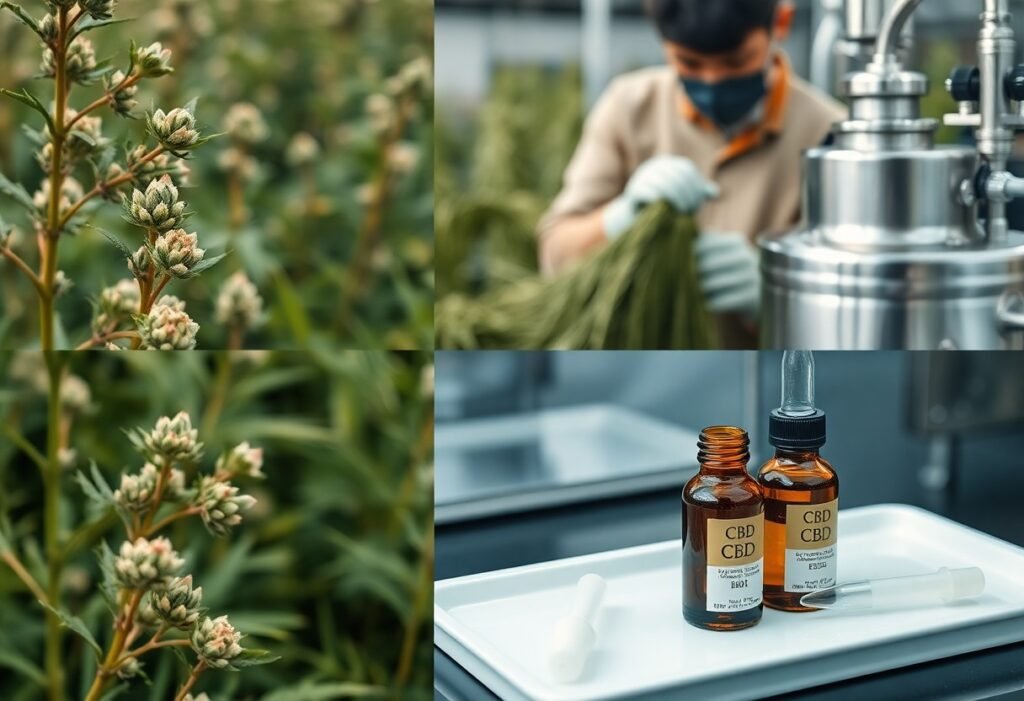
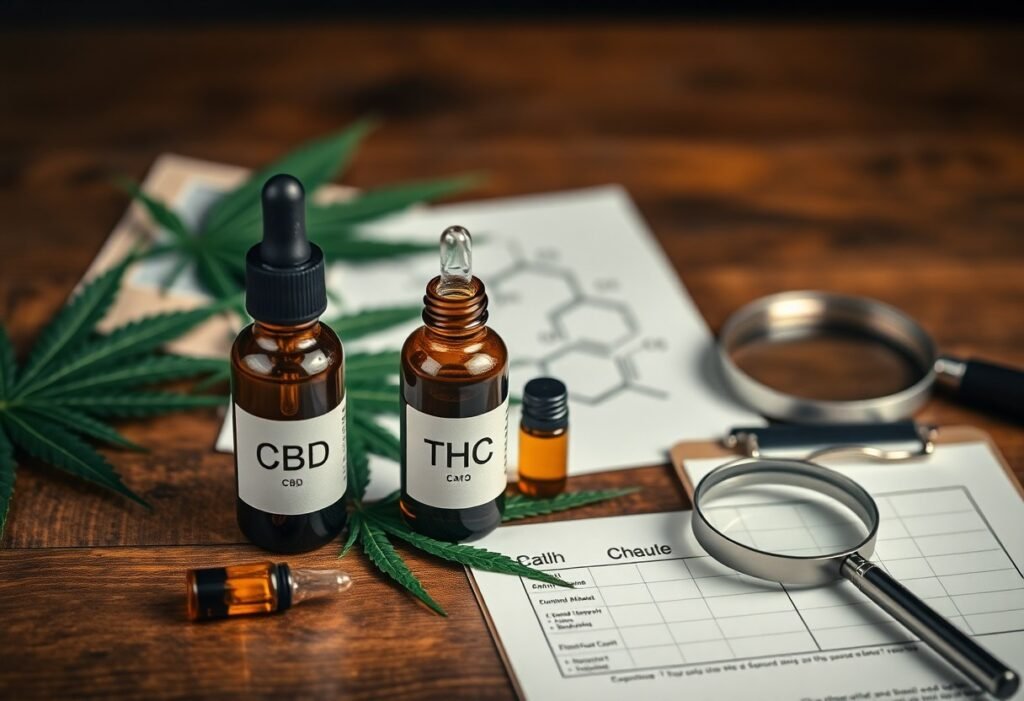
Cannabidiol, or CBD, originates from Cannabis sativa, a species that includes both hemp and marijuana. Plant breeders have spent decades isolating strains with high CBD and negligible tetrahydrocannabinol (THC), the compound responsible for intoxication. Industrial hemp, by legal definition, contains less than 0.3% THC, a threshold achieved through precise agricultural selection. This minute chemical divergence allows hemp to remain non-intoxicating while preserving a rich profile of beneficial phytochemicals.
This compound offers a way to engage with the plant’s chemistry without the disorientation of a psychoactive experience.
CBD interacts with your body’s regulatory systems without altering your mental state. Unlike THC, it does not bind strongly to cannabinoid receptors in the brain, avoiding the euphoria or cognitive fog associated with cannabis use. A mid-sized SaaS firm’s employee might use a CBD tincture during a workday to manage tension, remaining fully alert and productive. The compound supports balance in physiological processes while allowing clear-headed function.
Your experience with CBD reflects its functional neutrality-active in the background, yet invisible in effect. It modulates receptor activity indirectly, influencing pathways related to stress response and inflammation. This subtle engagement enables consistent use across diverse routines, from morning wellness rituals to recovery after physical exertion. An athlete might apply a topical CBD formulation post-training, targeting localized discomfort without systemic impairment.
The Architecture of the Internal Ecosystem
Humans possess a biological scaffolding designed to receive and process plant-based messages, suggesting a deep evolutionary link.
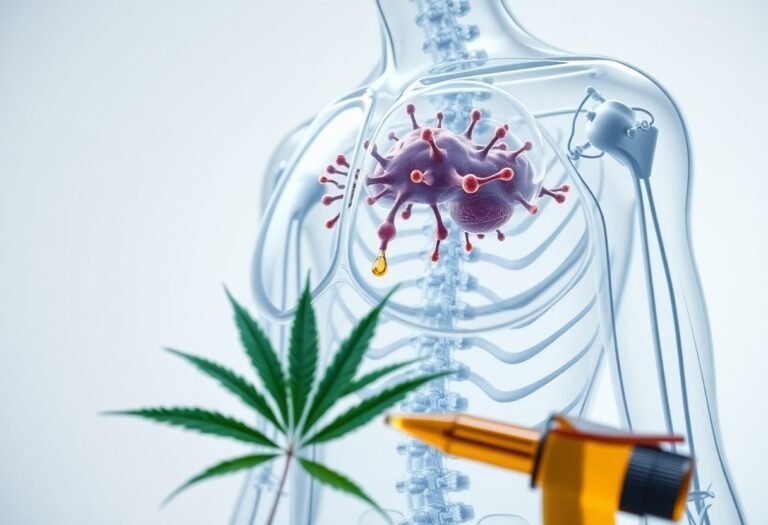
Your body hosts an intricate network of receptors and signaling molecules known as the endocannabinoid system (ECS). This system responds not only to cannabinoids from the cannabis plant but also to internally produced compounds like anandamide. Early research in the 1990s uncovered CB1 and CB2 receptors, revealing a physiological bridge between botanical chemistry and human biology. A mid-sized SaaS firm studying neurochemical pathways noted receptor activation patterns consistent with plant-molecule interaction, reinforcing the idea of co-evolution.
This network serves as a central architect of homeostasis, working to balance the body’s internal environment against external stressors.
The ECS regulates key functions such as mood, sleep, and immune response by modulating cellular activity across tissues. When stress disrupts equilibrium, endocannabinoids bind to receptors in the brain, liver, and immune cells to restore balance. Chronic inflammation in the gut, for instance, may trigger local cannabinoid production to reduce immune overactivity. These real-time adjustments occur without conscious input, illustrating the system’s role as a silent regulator.
Signals travel through neural and metabolic pathways to influence heart rate, appetite, and pain perception. Activation in the hypothalamus affects hunger, while CB2 engagement in peripheral tissues dampens inflammatory markers. In one observed case, repeated CBD exposure altered cytokine levels in a patient managing joint discomfort, demonstrating how external cannabinoids integrate into this regulatory framework. Responses vary based on individual biochemistry and dosage patterns.
Mechanisms of Molecular Signaling
Rather than binding directly to receptors, the molecule acts as a subtle modulator that enhances the efficiency of our native chemical messengers.
Cannabidiol influences cellular communication by fine-tuning receptor activity without direct attachment. Instead of activating cannabinoid receptors like THC, it adjusts their ability to bind with endocannabinoids, allowing for more balanced signaling. This indirect action supports homeostasis, particularly in stress response and immune regulation. A mid-sized SaaS firm studying neurochemical interactions observed similar modulation patterns in synthetic analogs.
It engages with diverse pathways, including those for serotonin, to influence mood and the perception of physical discomfort.
Serotonin 5-HT1A receptors respond to cannabidiol, altering neural circuits involved in anxiety and emotional regulation. Activation of these pathways may explain reported reductions in situational stress and discomfort. Other ion channels, such as TRPV1, also interact with the compound, contributing to its broad physiological reach. These interactions occur even at low micromolar concentrations in laboratory models.
Your exposure to the compound may shift how sensory neurons interpret inflammatory signals. By influencing both serotonin and vanilloid receptors, it helps recalibrate responses linked to mood and physical sensation. This dual engagement distinguishes it from more targeted pharmaceutical agents, offering a wider, though subtler, range of effects across neural networks.
Influence on the Nervous System
CBD interacts directly with neural pathways that regulate emotional and physiological balance. Unlike compounds that overstimulate receptors, it modulates signaling to promote equilibrium, particularly in circuits tied to mood and alertness. Your brain’s response to stress often involves excessive neurotransmitter release, a pattern CBD helps temper through indirect receptor influence and ion channel regulation.
The compound acts as a quiet mediator within the brain, dampening the hyper-arousal often triggered by the modern stress response.
Neural circuits in the amygdala and prefrontal cortex respond to CBD with reduced excitability. You may notice calmer reactions to triggering stimuli, not because perception dulls, but because the compound supports balanced neurotransmission. It influences serotonin 5-HT1A receptors, which play a role in anxiety modulation, without binding to them directly. A mid-sized SaaS firm’s employee wellness trial observed improved focus during high-pressure cycles among participants using consistent CBD regimens.
By mitigating systemic inflammation, it supports the long-term resilience and integrity of the neural network.
Chronic inflammation can erode synaptic efficiency and accelerate neuronal aging. CBD’s interaction with glial cells reduces the release of pro-inflammatory cytokines, creating a more stable environment for nerve signaling. This action is especially relevant in age-related cognitive concerns, where neuroinflammation contributes to functional decline. Your nervous system benefits not through sudden change but through sustained cellular protection.
Glial cell activation is a hallmark of many neurodegenerative conditions, and CBD has been observed to suppress this overactivity in preclinical models. By maintaining a balanced immune response within neural tissue, it helps preserve myelin sheaths and synaptic connections over time. You gain no immediate sensation from this process, yet its cumulative effect supports clearer cognition and neural adaptability well into later years.
The Journey of Absorption and Metabolism
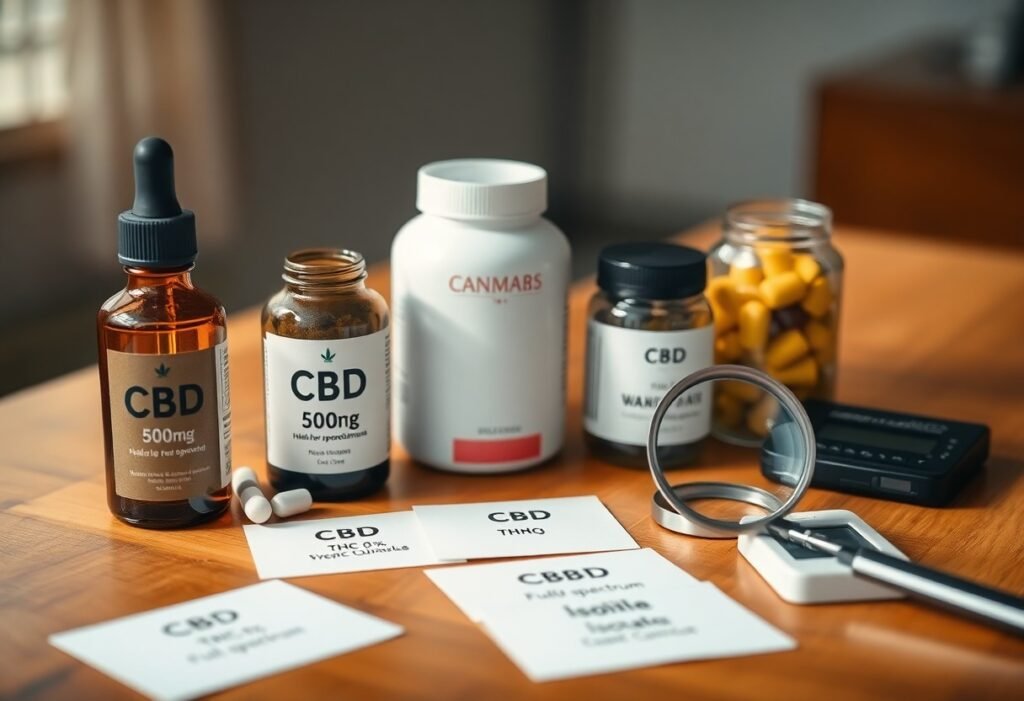
How CBD enters your system determines how quickly and effectively it acts. When you place a tincture under your tongue, the mucous membranes absorb the compound directly into the bloodstream, bypassing the digestive tract. In contrast, edibles must travel through the stomach and liver before becoming active, delaying onset but prolonging effects. Inhalation offers the fastest absorption, with molecules entering the lungs and reaching circulation within minutes.
The efficiency of the molecule is dictated by its method of entry, with bioavailability varying between oils, edibles, and topical applications.
Sublingual oils typically achieve higher bioavailability, with a mid-sized SaaS firm measuring absorption rates around 30-40% in controlled settings. Edibles, by comparison, may deliver only 5-20% due to breakdown during digestion. Topical applications have low systemic absorption, acting mostly on localized cannabinoid receptors in the skin, making them suitable for targeted relief without significant bloodstream presence.
The liver acts as a sophisticated metabolic gatekeeper, refining the compound before it is distributed throughout the circulatory system.
Once CBD reaches the liver, enzymes-primarily CYP3A4 and CYP2C19-chemically modify it into metabolites such as 7-OH-CBD and 7-COOH-CBD. These altered forms may have different activity levels and durations compared to the original molecule. This metabolic transformation influences both potency and how long the effects last in your system.
Your liver’s processing speed varies based on genetics, diet, and concurrent medication use. For example, someone taking a CYP3A4 inhibitor might experience prolonged CBD effects due to slowed metabolism. This variability explains why two people using the same dose can report different experiences, underscoring the personalized nature of cannabinoid response.
The Co-evolution of Wellness and Flora
Incorporating these botanical extracts into daily rituals marks a shift toward a more symbiotic relationship with the flora that surrounds us.
Modern routines now include tinctures, capsules, and topical applications as common fixtures, much like herbal teas or crucial oils once were. You integrate these extracts not as isolated compounds but as part of a broader return to plant-based wellness traditions.
A mid-sized SaaS firm’s employee survey revealed that over half of respondents used botanical supplements regularly, often citing stress management as a primary reason. This pattern reflects a growing preference for natural inputs in maintaining daily equilibrium.
The evolving legal landscape surrounding the plant mirrors a deeper cultural negotiation about the role of nature in human health.
Laws in several U.S. states have shifted from strict prohibition to regulated cultivation and sale, acknowledging both public demand and emerging scientific interest. You live within a period where policy adapts unevenly, revealing regional differences in how nature’s compounds are perceived.
Federal classifications still lag behind state-level reforms, creating a patchwork that complicates research and access. The tension between regulatory caution and public adoption highlights an ongoing debate about which natural substances qualify as legitimate wellness tools.
Final Words
CBD interacts with your body through a network of receptors involved in regulating functions like mood, pain, and sleep. Unlike THC, it does not produce intoxication, making it a compound of interest for wellness applications. Your endocannabinoid system responds to CBD in ways that may influence balance, though effects vary based on individual biology and dosage. A mid-sized SaaS firm studying user-reported outcomes noted patterns in self-managed discomfort and sleep routines among regular users.
You experience CBD differently depending on the method of intake, with sublingual and inhaled forms entering circulation faster than oral consumption. Enzymes in your liver break down the compound, leading to varied duration and intensity. Research continues to explore its role in supporting neurological and inflammatory pathways, with clinical interest growing around its non-psychoactive properties. CBD’s presence in consumer wellness reflects a long-standing relationship between plant compounds and human physiology.