It’s easy to confuse hemp and marijuana, especially since both come from the Cannabis sativa plant and share similar aromas, appearances, and cultivation methods. You might assume they’re interchangeable, but subtle yet defining differences in chemistry, legality, and use set them sharply apart. Understanding these distinctions helps you make informed decisions, whether you’re evaluating products, following regulations, or exploring plant-based solutions.
The Biological Root
Shared Ancestry
Cannabis sativa is the common ancestor of both hemp and marijuana, originating in Central Asia. You inherit the same foundational biology whether the plant develops high THC or nearly none. Early human cultivation favored plants for fiber, seed, and medicine, with psychoactive properties becoming a later selection factor. Over centuries, regional strains emerged based on intended use and environmental adaptation.
Genetic Split
Selective breeding over generations emphasized specific cannabinoid profiles, leading to chemotypes with distinct purposes. Hemp was bred to minimize THC, often below 0.3%, while maximizing CBD and structural traits. Marijuana cultivars were shaped to enhance THC concentration and aromatic complexity. This divergence reflects human goals more than natural evolution.
A mid-sized SaaS firm managing agricultural data once traced lineage in commercial hemp and found over 70% shared genetic markers with certain marijuana strains, underscoring their close kinship despite legal distinctions.
The Chemical Line
THC Ratios
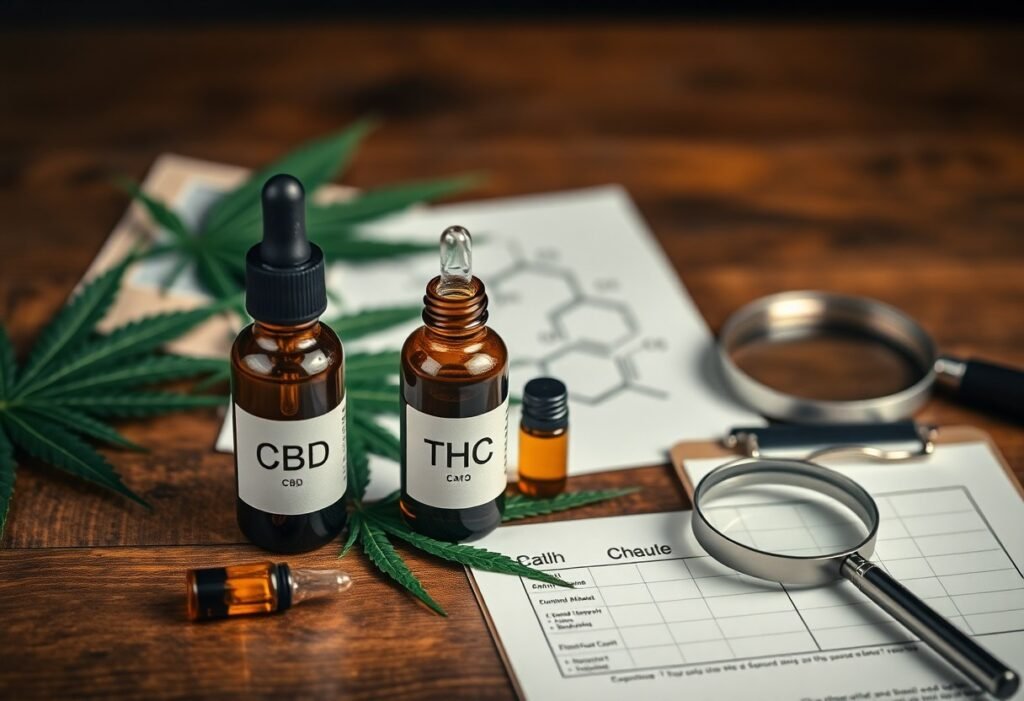
Cannabis plants diverge significantly based on their tetrahydrocannabinol (THC) concentration. Hemp contains no more than 0.3% THC by dry weight, a threshold established under U.S. federal law. This minimal level prevents psychoactive effects when consumed. In contrast, marijuana varieties often exceed 15% THC, with some strains reaching much higher levels. Your experience with marijuana typically involves noticeable cognitive alteration, while hemp does not produce such outcomes.
CBD Presence
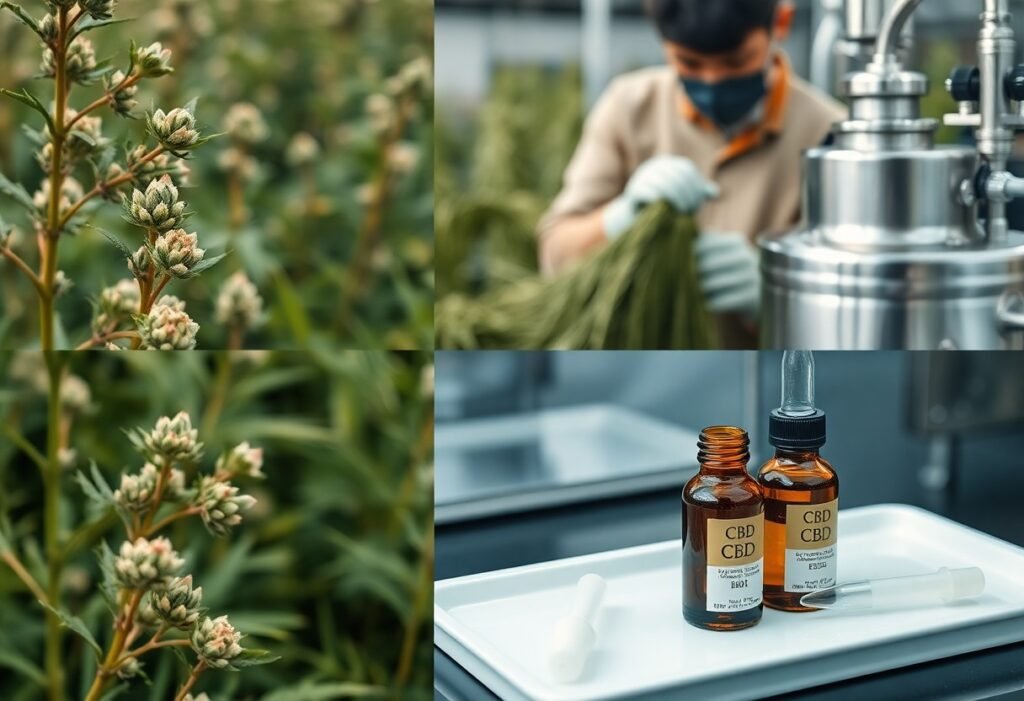
Cannabidiol (CBD) appears in higher concentrations in hemp, often comprising 10% to 20% of the plant’s cannabinoid profile. Marijuana usually contains lower levels of CBD, especially in high-THC strains bred for potency. You may choose hemp-derived CBD for wellness applications without intoxication. Its non-psychoactive properties support use in oils, topicals, and edibles.
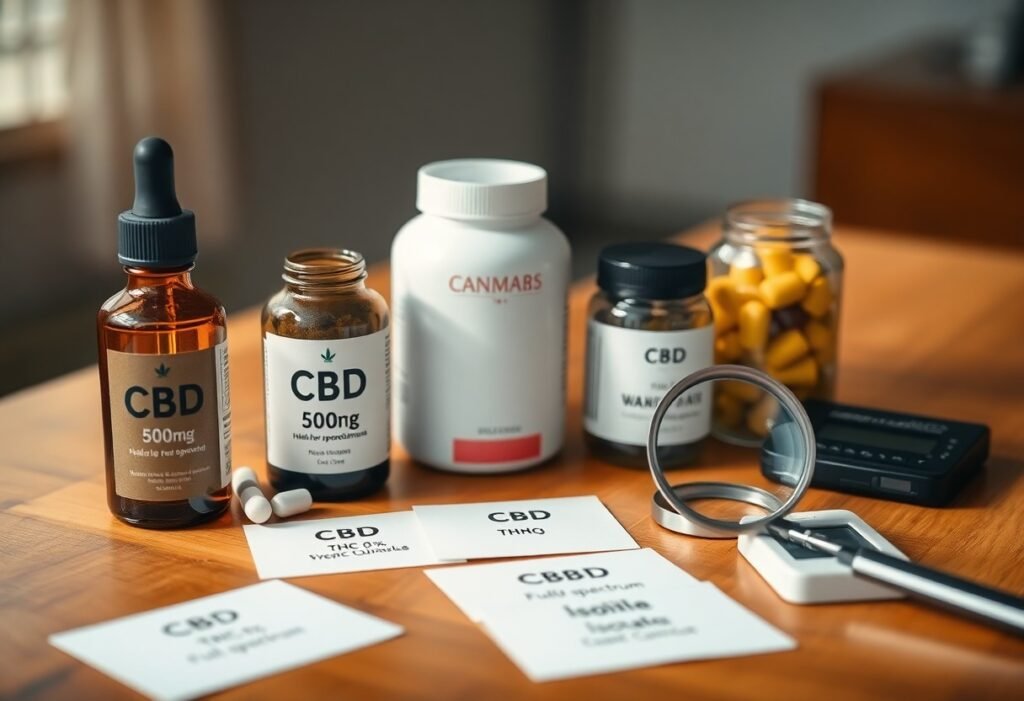
A mid-sized SaaS firm utilizing hemp extract in employee wellness kits reported increased focus and reduced stress without impairment. CBD isolates and full-spectrum hemp oils are common formulations you encounter in retail and online markets. These products rely on hemp’s naturally high CBD content and compliant THC levels.
Law of the Land
Federal Definitions
Under U.S. federal law, the distinction between hemp and marijuana hinges on delta-9-tetrahydrocannabinol (THC) concentration. Hemp is defined as Cannabis sativa L. containing no more than 0.3% THC on a dry weight basis. Any plant exceeding that threshold is classified as marijuana, regardless of its intended use. This legal bright line shapes cultivation, testing, and compliance across the industry.
Regulatory Walls
State and federal regulations treat hemp and marijuana as separate entities with divergent oversight. Hemp falls under the USDA’s jurisdiction, requiring licensed growers to follow strict sampling and disposal protocols. Marijuana remains a Schedule I controlled substance, restricting its cultivation to state-authorized programs in legal jurisdictions. Interstate transport of hemp must comply with federal rules, while marijuana cannot cross state lines even between legal markets.
Licensing for hemp production demands registration with state departments of agriculture, adherence to crop sampling timelines, and traceability from seed to sale. A mid-sized SaaS firm managing compliance for hemp growers reported that over 40% of failed tests stemmed from delayed harvest timing, pushing THC levels above the legal limit. These operational constraints underscore how tightly regulated even legal cannabis variants remain.
The Way They Grow
Industrial Fields
Fields of hemp stretch across open farmland, often planted densely to promote tall, straight stalks ideal for fiber production. You’ll find these crops thriving in temperate climates, requiring minimal pesticides due to natural resistance to many pests. A single hectare can yield several tons of biomass, supporting uses from textiles to construction materials. These large-scale operations prioritize efficiency and hardiness over floral development.
Greenhouse Flowers
Indoor marijuana cultivation favors controlled environments where temperature, humidity, and light cycles are precisely managed. You grow these plants with spacing to encourage bushy canopies and resin-rich buds. Hydroponic systems and specialized lighting help maximize cannabinoid content, particularly THC. Facilities often resemble high-tech greenhouses, designed for quality rather than quantity.
Attention to airflow and nutrient balance prevents mold and nutrient lockout, common issues in tightly regulated spaces. You may use supplemental UV-B lighting during flowering to stimulate trichome production, enhancing potency. Such精细化 techniques are standard among licensed producers aiming for medical or premium recreational markets.
Purpose and Utility
Strong Fibers
Industrial hemp supports manufacturing durable textiles, biodegradable plastics, and construction materials due to its long, resilient fibers. A mid-sized SaaS firm using hemp-based packaging reduced shipping waste by switching from synthetic composites.
These fibers also reinforce automotive panels in European car models, proving their structural reliability under stress and fluctuating temperatures.
Therapeutic Oil
CBD oil extracted from hemp interacts with your body’s endocannabinoid system, often used to manage everyday discomfort and occasional sleep disturbances. Unlike THC, it doesn’t alter cognitive function, making it suitable for daytime use.
Patients in clinical settings have reported improved relaxation and focus after incorporating standardized hemp-derived oils into their routines.
One Colorado-based wellness clinic began offering third-party tested CBD tinctures to clients seeking non-intoxicating options, observing consistent adherence and minimal side effects over a six-month period.
Physical Traits
Stature and Leaves
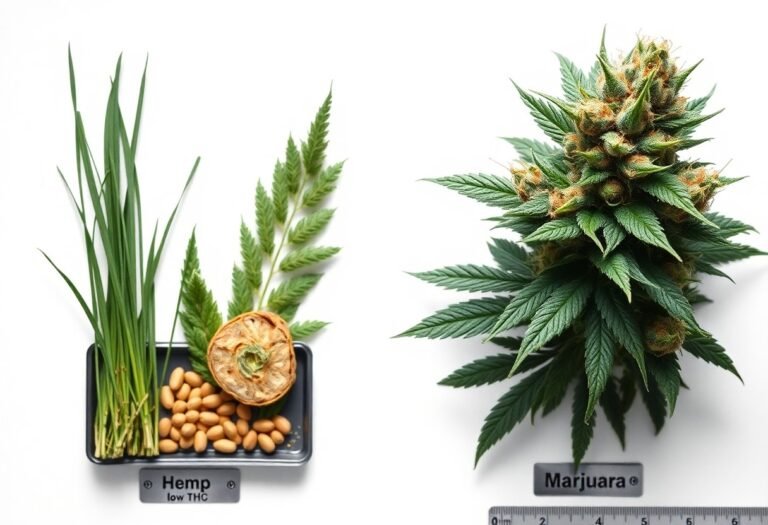
Plants grown for hemp typically stand taller and more slender, often reaching heights of over 15 feet in commercial fields. Their leaves tend to be narrower and spaced further apart along the stalk, an adaptation to dense planting in open fields. In contrast, marijuana plants are usually shorter and bushier, with broad, fan-like leaves clustered densely around flowering sites. You’ll notice a more compact canopy when observing marijuana under cultivation, especially in controlled indoor environments.
Density of Bud
Buds from marijuana plants are characteristically dense, sticky, and tightly packed with trichomes, giving them a frosty appearance. These resin-rich flowers are cultivated to maximize cannabinoid concentration, particularly THC. Hemp flowers, while structurally similar, appear looser and less compact, with fewer trichomes visible to the naked eye. Their airy structure reflects their breeding for fiber and seed rather than psychoactive potency.
When you handle mature buds, the difference becomes tactile: marijuana feels heavy and firm, often leaving a residue from important oils. Hemp buds feel drier, lighter, and more fibrous, resembling dried hay more than the spongy density of a marijuana cola. A grower in Colorado once compared harvesting hemp to gathering stalks for linen, not for curing and selling as a flower product.
To wrap up
You distinguish hemp from marijuana by recognizing their divergent chemical profiles and legal classifications, despite shared botanical origins. Hemp contains negligible levels of THC, the compound responsible for psychoactive effects, making it suitable for industrial and wellness applications without intoxication.
You rely on regulatory definitions that hinge on THC concentration, typically set at 0.3% or lower for hemp, a threshold that shapes cultivation, testing, and market access. A farmer in Colorado, for example, must ensure harvested crops remain under this limit to comply with federal guidelines, illustrating how precise chemical standards directly impact real-world operations.