It’s easy to feel overwhelmed by the dense text and technical terms on a CBD product label, especially when brands use vague language to obscure what’s actually inside. You’re handed a bottle with claims like “full-spectrum” or “broad-spectrum” but no clear breakdown of cannabinoids, or worse, a milligram count that doesn’t match the serving size. You need to know exactly what you’re consuming, and that starts with decoding the label with precision. A mid-sized SaaS firm wouldn’t rely on unclear metrics-neither should you when it comes to your wellness.
The Spectrum Truth
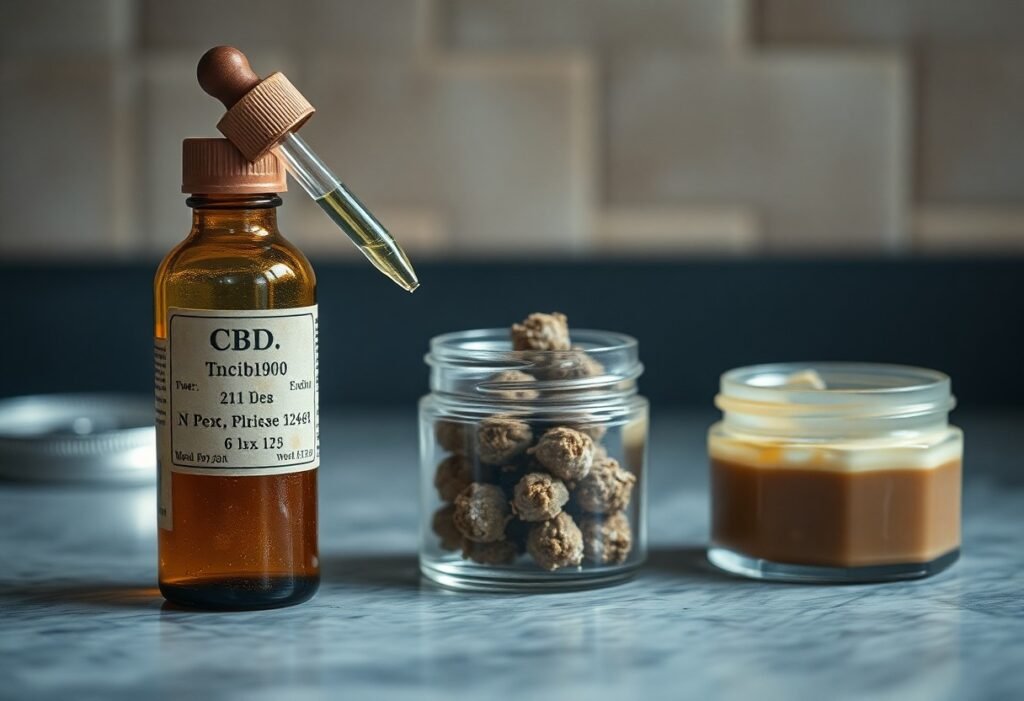
Cannabis contains over a hundred cannabinoids, and their interaction influences the effects you experience. Labels indicating “full spectrum” mean the product includes these compounds, including trace THC, within legal limits.
Terpenes are preserved in full spectrum extracts, contributing to the entourage effect. A Colorado-based wellness brand recently reformulated its tincture to maintain terpene levels after customer feedback highlighted improved results.
Full Spectrum Realities
Full spectrum CBD retains naturally occurring cannabinoids like CBG and CBN alongside terpenes and flavonoids. This composition mirrors the plant’s original chemical profile, potentially enhancing therapeutic outcomes through synergistic activity.
Some users report stronger effects from full spectrum products despite identical CBD concentrations. A mid-sized SaaS firm conducting internal wellness trials noted higher satisfaction scores with full spectrum formulations.
Isolate Facts
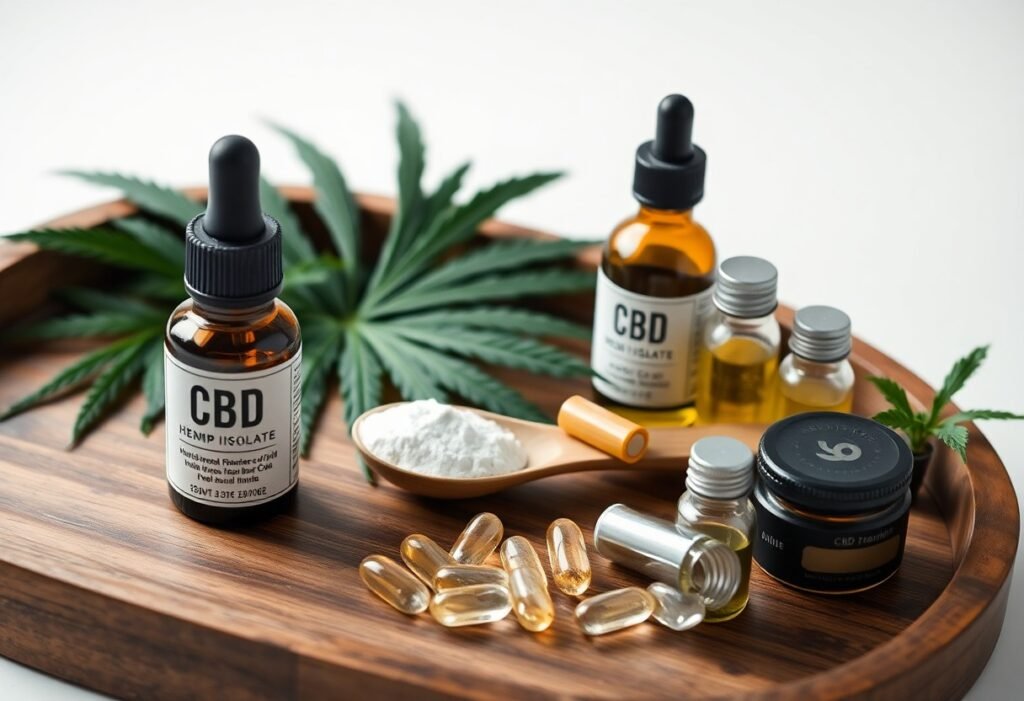
Isolate contains pure CBD, stripped of all other plant compounds, resulting in a 99%+ concentrated form. This version suits those sensitive to THC or subject to drug testing.
Manufacturers often use isolate in edibles and topicals where flavor neutrality matters. One national skincare line switched to isolate after customers complained of earthy aftertastes in their balms.
Purity in isolate means no entourage effect, which may reduce overall efficacy for certain conditions. A clinical researcher at a major university observed that isolate required higher doses to match relief reported with full spectrum use.
The Math Of Potency
Milligrams Per Serving
Each CBD product delivers a specific amount per serving, typically listed in milligrams. Check the “Serving Size” and “Servings Per Container” to determine how much CBD you consume with each use. A tincture might offer 25 mg per 1 mL dropper, while a gummy could contain 10 mg per piece. Understanding this measurement ensures consistent intake aligned with your goals.
Total Potency Counts
The total CBD in a product reflects the sum of all milligrams across the entire container. A 30 mL bottle with 1,500 mg contains more CBD overall than a 500 mg 30 mL option, even if per-serving amounts differ. This number helps compare value and strength between similar formats.
Consider a 60-capsule bottle labeled 6,000 mg total: each capsule delivers 100 mg. This differs from a 30-count bottle with 1,500 mg total, where each provides 50 mg. Total potency clarifies long-term supply and concentration, especially when serving sizes vary.
The Science Of Proof
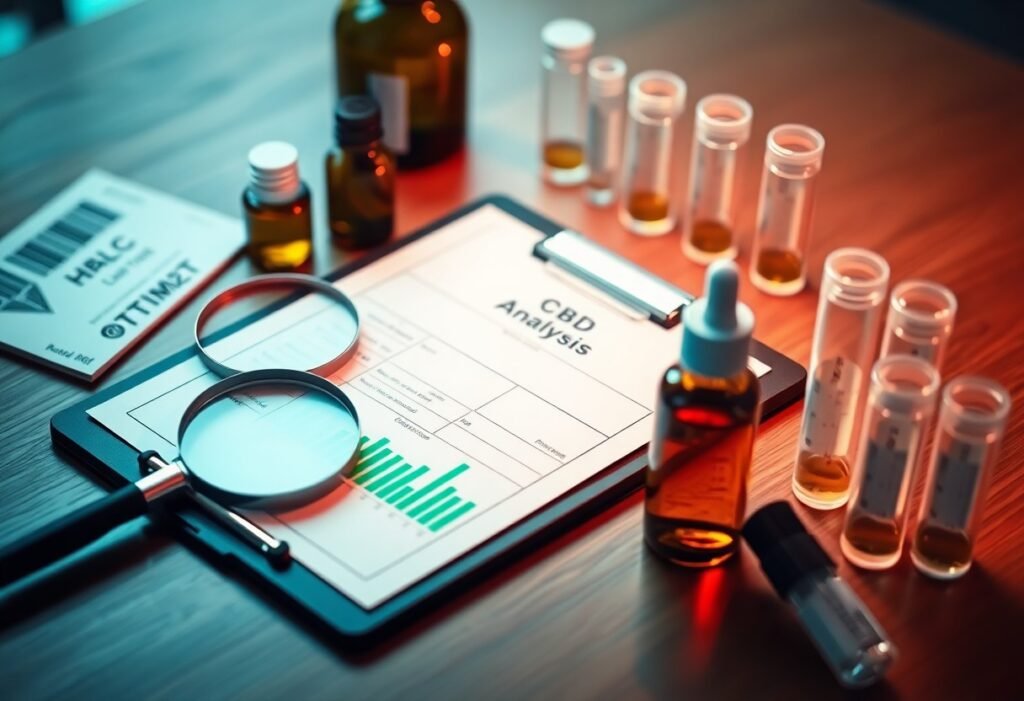
Independent lab testing confirms what’s actually in the product you’re using. Without it, label claims about CBD content or purity are just promises.
Manufacturers that prioritize transparency send every batch to accredited third-party labs. These labs analyze cannabinoid levels, check for contaminants, and verify the absence of heavy metals, pesticides, and residual solvents.
Third Party Lab Reports
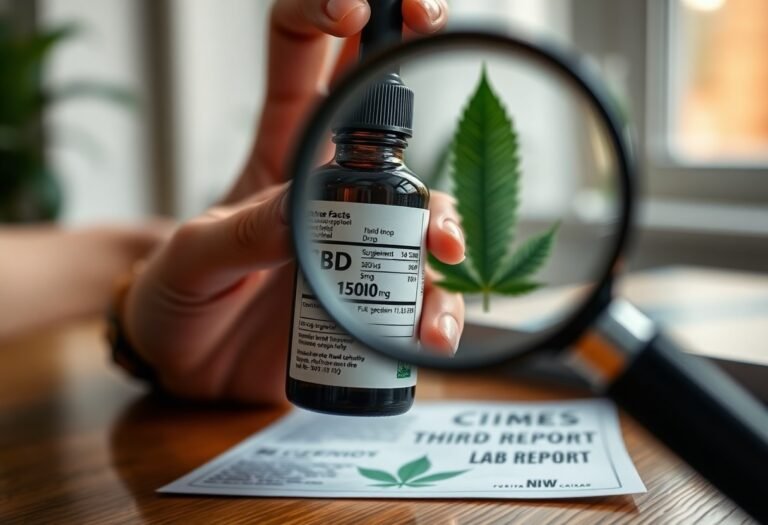
A legitimate lab report comes from a facility unaffiliated with the brand. Look for the lab’s name, address, and certification details to verify its independence.
Reports should clearly list CBD and THC concentrations, along with any detected terpenes. A mid-sized SaaS firm in Colorado once recalled a batch after a lab found THC levels exceeding legal limits.
QR Code Access
Scanning a QR code on the product should take you directly to the lab report for that specific batch. This ensures the test results match the bottle in your hand.
Some brands embed metadata so the report auto-updates if new findings emerge. If the code leads to a generic page or fails to load, treat it as a red flag.
Real-time access through QR codes eliminates guesswork, especially when verifying freshness or checking for recent contaminants. A leading Oregon brand reduced customer complaints by 40% after implementing dynamic QR reporting.
The Carrier Liquid
Carrier liquids determine how efficiently your body absorbs CBD. Most formulations use either MCT oil or hemp seed oil, each affecting bioavailability and shelf life differently. You’ll find these listed just below the active ingredients, often making up the bulk of the product volume. Their presence isn’t filler-it enables consistent dosing and stability.
Some brands mix carrier oils to balance absorption and nutritional benefits. You should check whether the carrier complements your dietary needs, especially if you have sensitivities to coconut or cannabis derivatives. A clean, single-source oil often indicates greater formulation care.
MCT Oil Quality
MCT oil typically comes from coconut or palm kernel oil, with caprylic (C8) and capric (C10) acids being the most common. You’ll absorb CBD faster when it’s suspended in high-grade MCT oil, particularly C8, due to its rapid metabolic conversion. Look for brands that specify the MCT source and chain type.
A mid-sized SaaS firm running internal wellness trials reported fewer digestive complaints when using C8-dominant tinctures. You may notice a thinner consistency and milder taste with purer MCT blends. Avoid products listing “fractionated coconut oil” without further detail-it may indicate lower transparency.
Hemp Seed Oil Functions
Hemp seed oil provides important fatty acids like omega-6 and omega-3 in a balanced ratio, supporting skin and cardiovascular health. You’ll often see it in full-spectrum CBD products, where its nutty profile masks the earthiness of hemp extract. Unlike CBD oil, it contains negligible cannabinoids.
This oil improves the dispersion of CBD in liquid formulations, helping you achieve uniform dosing across uses. Its polyunsaturated fat content makes it prone to oxidation, so packaging in dark glass and storage in cool conditions matter. You’ll extend shelf life significantly by refrigerating after opening.
Manufacturers sometimes use hemp seed oil to reduce production costs, especially in lower-potency products. You can distinguish these by scanning the CBD concentration-if it’s below 500mg per 30ml, the base is likely diluting the extract. High-quality formulations pair it intentionally, not as a substitute.
The Date And Batch
Expiration Day
Every CBD product has a limited shelf life, and the expiration date tells you when it may no longer perform as intended. Exposure to light, heat, and air degrades cannabinoids over time, reducing potency and effectiveness. You’ll typically find the date printed on the bottom or side of the container, often in a “Best By” format. A tincture stored in a cool, dark place might remain stable for 18 months, but one left in a hot car could degrade within weeks.
Tracking The Lot
The lot number links your product to a specific manufacturing batch, enabling traceability in case of recalls or quality concerns. Brands that publish third-party lab results often organize them by lot number, so you can verify what’s in your bottle. A reputable company will make this data accessible through a QR code or website lookup. For example, a mid-sized SaaS firm auditing supply chains found full lot transparency reduced customer complaints by aligning test data with individual production runs.
Matching your product’s lot number to its corresponding certificate of analysis confirms consistency across batches. Without this link, you can’t be certain the CBD concentration or contaminant levels match what was tested. Some manufacturers batch multiple extracts together, making lot tracking important for identifying formulation changes. A consistent lot system also helps researchers and clinicians track patient responses to specific product versions over time.
Conclusion
Reading a CBD product label with confidence means knowing exactly what to look for and where to find it. You now understand how to identify full-spectrum, broad-spectrum, or isolate formulations, interpret milligram amounts per serving, and verify third-party testing through accessible lab reports. A mid-sized SaaS firm recently overhauled its employee wellness program using only verified CBD products, relying strictly on label transparency to make selections.
You can spot misleading marketing claims by checking ingredient lists, carrier oils, and batch-specific QR codes. Expiration dates and manufacturing details are no longer hidden in plain sight but clear indicators of product integrity. Your ability to differentiate between a well-documented product and a poorly labeled one strengthens with each informed choice, ensuring consistency and safety in your routine.